
Avoid five common plant care mistakes to guarantee thriving houseplants. Don’t overwater, as it leads to root rot; check soil dryness before watering. Provide adequate light; otherwise, your plant may lean or grow slowly. Use the right soil mix and pots; ascertain they have drainage holes. Repot when roots show through holes and soil dries quickly. Watch for pest signs like curling leaves; early action is essential. By addressing these issues, you’ll learn how to keep your plants healthy.
Overwatering Your Plants
When it comes to caring for your plants, overwatering is one of the most common pitfalls you might encounter. This mistake often leads to root rot, identifiable by brown or slimy roots, and is worsened by pots lacking drainage holes.
To prevent this, always check the top inch of soil for dryness before watering your plants. Utilize a moisture meter for accurate readings.
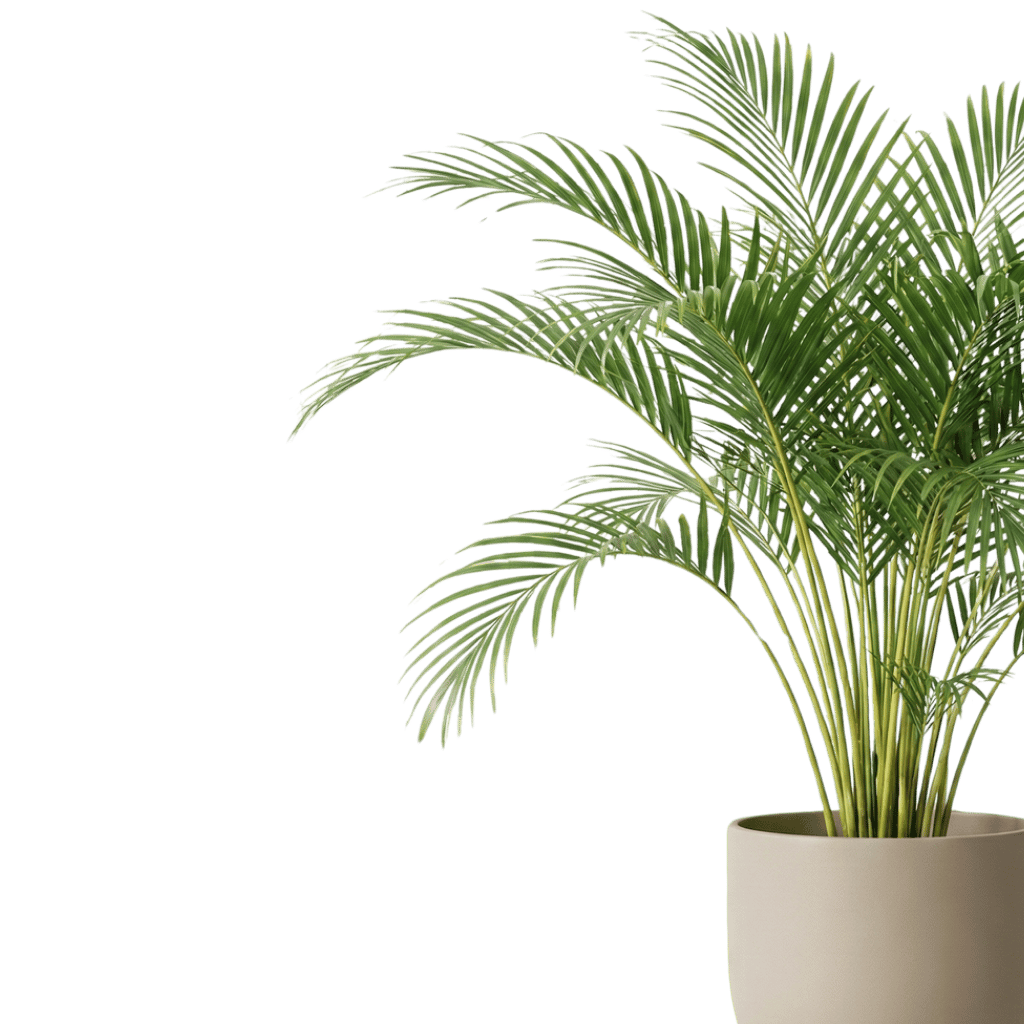
Different plants have specific needs; for example, indoor palms require less frequent watering than tropical plants. Signs like yellowing leaves and a foul odor suggest it’s time to adjust your watering routine.
Establish a consistent watering schedule, tailored to each plant’s needs, ensuring healthy growth and preventing the dreaded effects of overwatering.
Not Providing Enough Light
Although caring for plants can be rewarding, not providing enough light is a frequent mistake that can hinder their growth. Insufficient light leads to leggy growth and yellowing leaves, as indoor plants stretch towards a light source.
Each plant species has specific light requirements, so research their needs for ideal health. Regularly monitor your plants for signs like leaning towards windows or slow growth, indicating inadequate light exposure.
If natural light is scarce, use grow lights to guarantee sufficient illumination for photosynthesis and plant importance. Remember, moving plants frequently can stress them, so place them in a well-lit area where they can thrive without relocation.
Making sure your plants receive the right light is essential for their overall well-being.
Using the Wrong Soil and Pots
Selecting the right soil and pots is essential for your plants’ health and growth. Using the wrong soil can lead to moisture-related issues such as root rot. Here’s how to avoid common pitfalls:
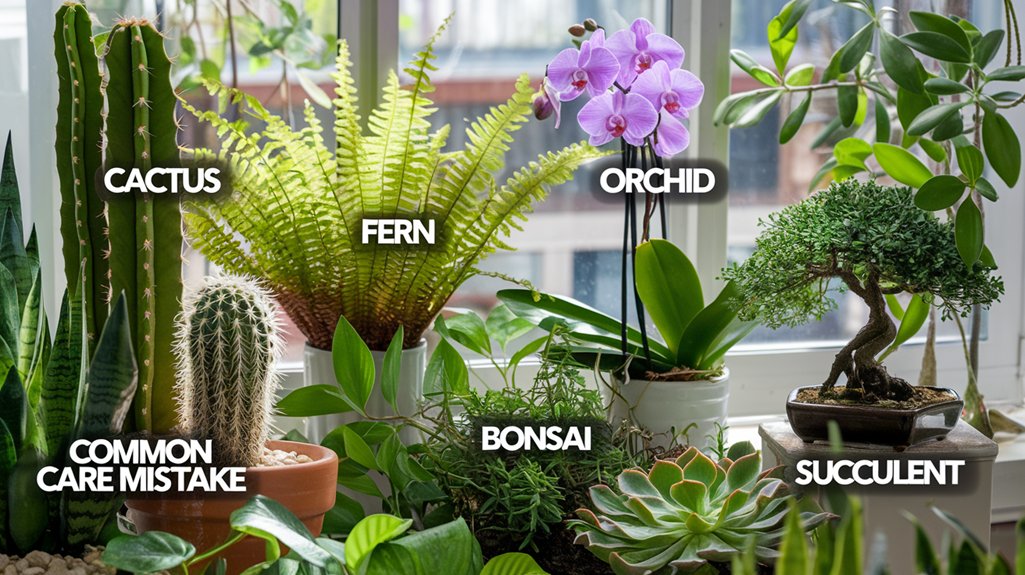
- Choose a suitable potting mix: For succulents, use a cactus mix instead of regular potting soil to guarantee proper drainage. Compacted potting mixes can suffocate roots, hindering healthy root growth.
- Guarantee proper drainage: Always use pots with drainage holes to prevent water retention, which causes root rot. A pot that’s 1-2 inches wider than the current one can help avoid repotting mistakes and promote healthy roots.
- Research soil type: Different plants have specific needs. Understand each species’ required soil acidity, drainage, and nutrient content to support their growth effectively.
Failing to Repot When Necessary
Repotting isn’t just a sporadic task; it’s essential for your plant’s long-term health and vigor. When you notice roots emerging from drainage holes, it indicates a rootbound plant needing more space. Opt for a larger container, about 1-2 inches wider, giving the roots adequate room to grow. The soil drying out quickly signals that the roots have filled the pot. Repot during the plant’s active growth period, like spring or early summer, to reduce stress. Don’t forget to refresh the soil to tackle nutrient deficiency and improve drainage for peak health. Here’s a quick guide:
| Sign | Action |
|---|---|
| Roots emerging | Choose larger container |
| Soil dries quickly | Repot to retain moisture |
| Active growth period | Best time to repot |
| Refresh the soil | Combat nutrient deficiency |
| Adequate room | Guarantee peak health |
Ignoring Early Signs of Pests
When it comes to maintaining healthy plants, recognizing and addressing early signs of pests is essential. Early detection helps you prevent infestations and significant plant damage.
Look for:
- Curling or yellowing leaves: These could signal pests lurking nearby.
- Visible insects: Check the foliage and undersides of leaves regularly.
- Sticky residue: This can appear on leaves or soil, indicating pest presence.
Regular inspections should be a part of your care routines. Catching issues early keeps your plants resilient and thriving.
At the first hint of pests, consider using natural remedies like neem oil or insecticidal soap. This proactive approach helps protect your plants from the damaging effects of pests, ensuring they remain healthy and vibrant.
Conclusion
By avoiding these common plant care mistakes, you’ll guarantee your plants thrive. Don’t drown them with too much water, and make certain they get the right amount of light. Choose soil and pots that meet their specific needs, and remember to repot them when they outgrow their homes. Keep an eye out for early signs of pests to prevent infestations. With these careful steps, your plants will flourish, adding beauty and life to your space.