01 · LAB FINDINGS
Useful, but not a room-sized promise
Sealed-chamber experiments help researchers understand plant processes. They do not show that one or two plants will clean an occupied home at the same rate as ventilation or an air cleaner.

Plant education
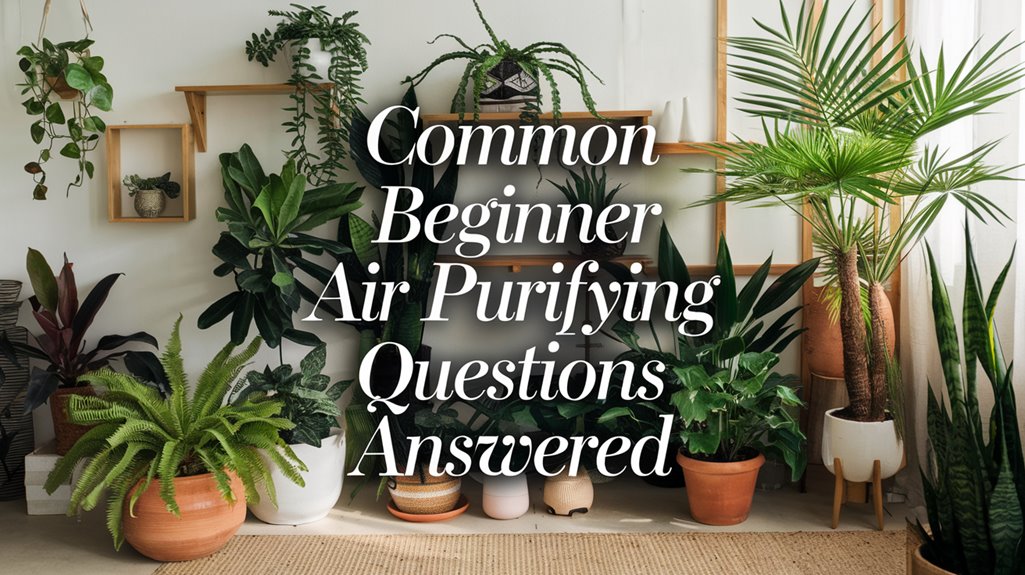
Indoor plants bring life, texture and a sense of calm to a room. Some species can absorb certain compounds in controlled studies, but ordinary houseplants are not a replacement for fresh-air ventilation or suitable filtration. Here is how to enjoy their real benefits and choose plants that can thrive in your space.
The honest answer
The popular term comes from laboratory research showing that plants and their growing media can interact with some airborne compounds. Real rooms are larger, less controlled and constantly exchange air, so the practical effect of a normal number of plants is limited.
01 · LAB FINDINGS
Sealed-chamber experiments help researchers understand plant processes. They do not show that one or two plants will clean an occupied home at the same rate as ventilation or an air cleaner.
02 · REAL-LIFE BENEFITS
Plants add natural beauty, make rooms feel more welcoming and give many people an enjoyable care routine. Those are worthwhile benefits without overstating air-quality effects.
03 · HEALTHIER AIR
Reduce pollution sources, ventilate safely and use suitable filtration where needed. Treat plants as living companions, not as medical devices or substitutes for those measures.
The best plant is one that suits your light, available space and care routine. Start with a healthy match and the plant is far more likely to keep looking good.
Four care essentials
Plant care becomes much easier when you respond to the conditions in your home instead of following a rigid calendar.
Observe the room throughout the day. Bright indirect light, low light and direct sun are different conditions, and choosing correctly prevents many common problems.
Check the growing medium before watering. Many indoor plants prefer the top layer to dry slightly, while ferns often appreciate more even moisture.
Good drainage protects roots. Empty decorative pots or saucers after watering and never allow a plant to sit in water for long periods.
Yellowing, curling, drooping or slow growth are signals—not a diagnosis on their own. Check light, moisture, temperature and pests before changing the routine.
Homes with pets or children: plant toxicity varies by species. Check the botanical name against a trusted veterinary or poison-control source and place unsuitable plants securely out of reach.
Before you buy
Which direction do the windows face, and how far from the window will the plant stand?
Do you enjoy frequent care, or would a more drought-tolerant plant fit your week better?
Consider children, pets, available floor space and whether you need a compact or statement-size plant.
Browse greenhouse-fresh plants with clear care guidance, or contact us if you would like help choosing for a particular room.