
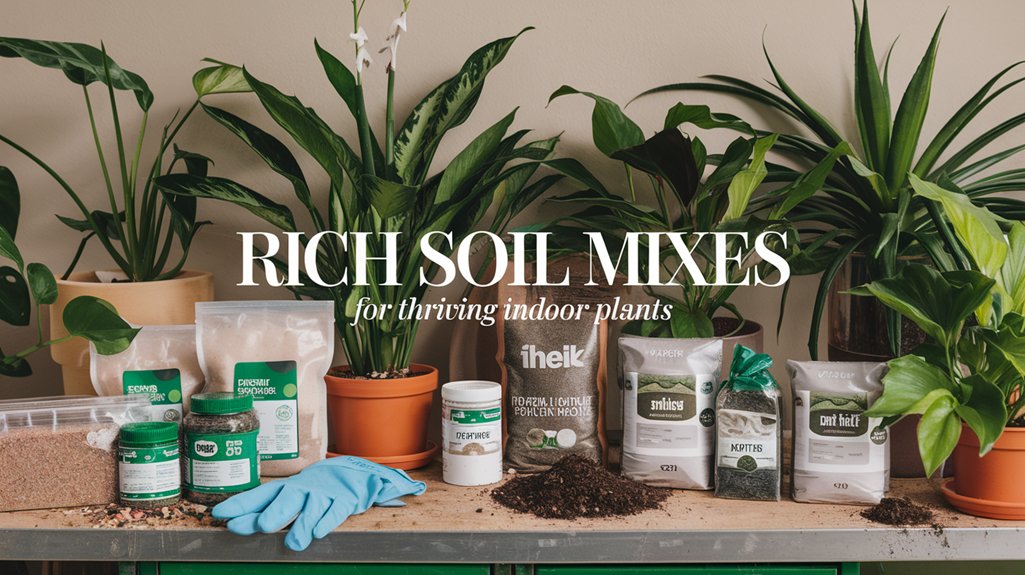
For ideal air-purifying indoor plants, choose soil mixes with peat moss or coconut coir for moisture retention, perlite for drainage, and ground pine bark for acidity. For specific plants, use well-draining mixes for Snake Plants, moisture-retaining for Pothos, and specialized orchid blends with bark. Avoid universal soil types and guarantee organic certifications. Proper soil choice impacts plant health, air quality, and growth. There’s more to uncover that can enhance your indoor garden’s performance.
Understanding Air-Purifying Indoor Plants
While you’re selecting plants for your indoor space, understanding air-purifying indoor plants is essential for enhancing air quality.
Snake Plants, Peace Lilies, and Pothos aren’t only visually appealing but also effective in filtering toxins like formaldehyde and benzene.
To maximize their benefits, focus on the soil mix. A proper houseplant soil should offer excellent drainage and moisture retention to prevent root rot.
Make sure the soil mix promotes good air circulation around the roots, as stagnant air can hinder growth and air-purifying capacity.
These plants often thrive in low-light conditions, making them ideal for various indoor environments.
Key Ingredients for Optimal Soil Mixes
For creating ideal soil mixes for air-purifying indoor plants, understanding the role of each component is vital. A well-structured potting mix guarantees your plants thrive by balancing moisture retention and drainage.
Here’s what you need:
- Peat moss or coconut coir: Retains moisture while helping aerate the soil, essential for root health.
- Perlite: Improves drainage and prevents compaction, reducing the risk of root rot.
- Ground pine bark: Enhances acidity and provides important nutrients, fostering robust root systems.
- Garden lime: Adjusts the potting mix’s pH, making nutrients more accessible for plant absorption.
- Organic matter like compost or worm castings: Enriches the soil with important nutrients, boosting growth and air purification.
These components guarantee a thriving environment for your air-purifying plants.
Tailoring Soil Mixes to Specific Plant Needs
Having identified the key components for ideal soil mixes, it’s important to customize these mixes to suit the specific needs of different air-purifying indoor plants.
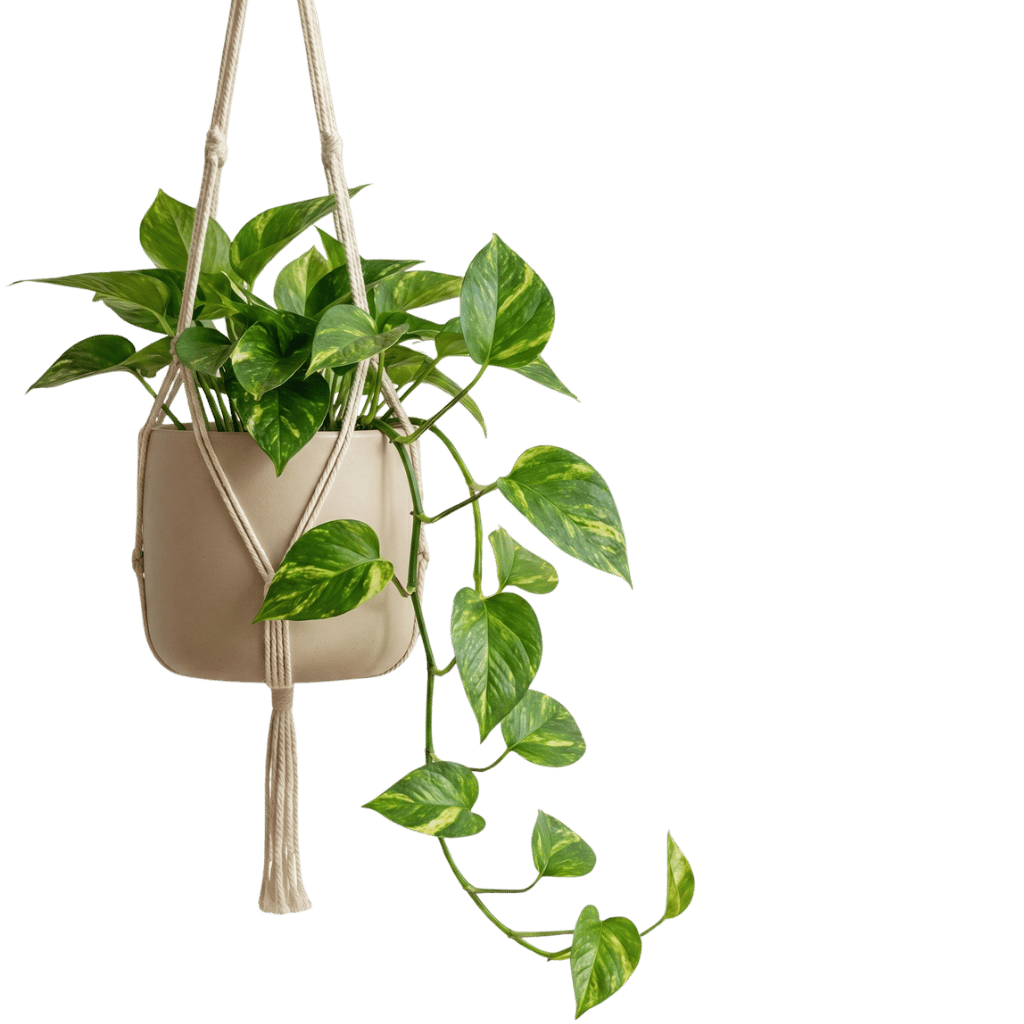
For instance, Pothos and Peace Lilies require a balanced potting mix that guarantees both moisture retention and drainage to prevent root rot.
Meanwhile, Snake Plants and ZZ Plants thrive in well-draining potting mixes, such as those designed for cacti and succulents, incorporating sand and perlite to replicate their native arid habitats.
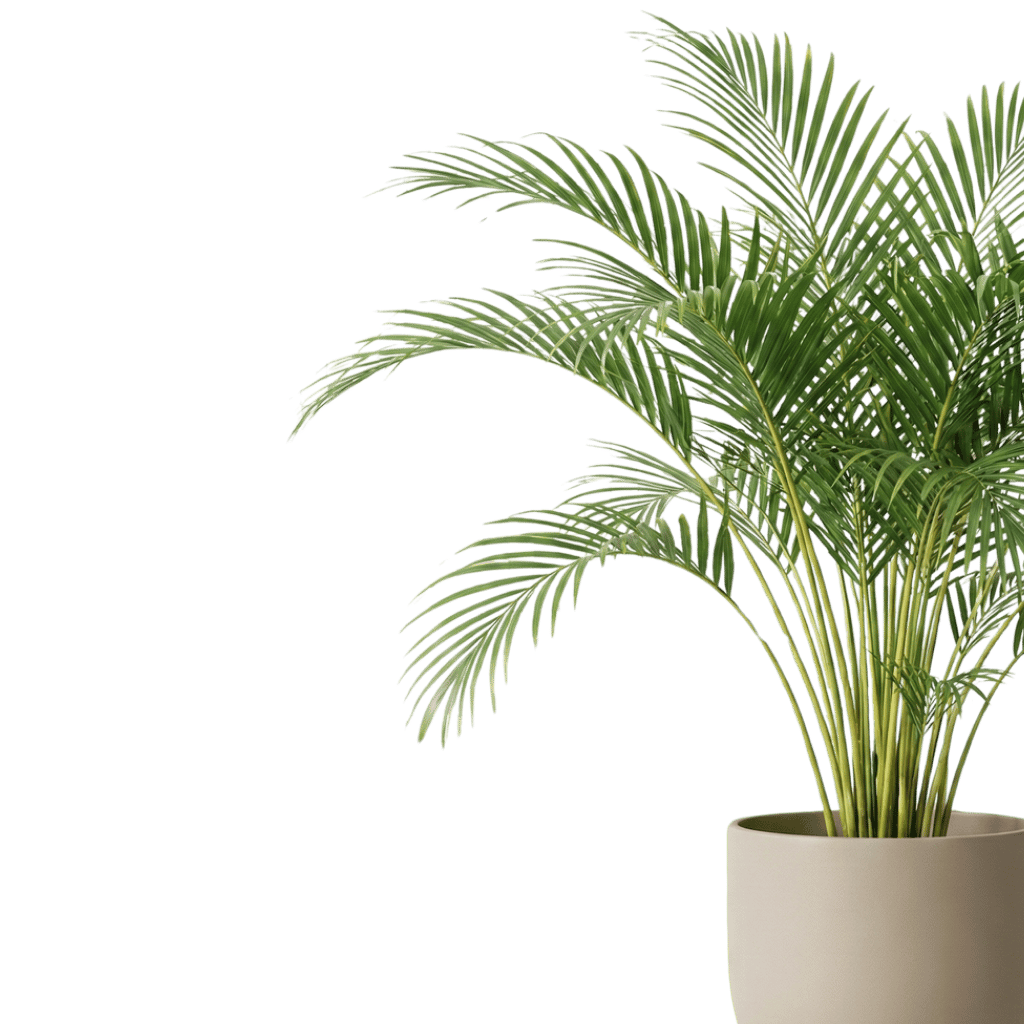
Tropical plants like Parlor Palm demand moisture-retaining soil mixes that use coconut coir and peat moss.
Specialized potting mixes for orchids often include bark and charcoal to enhance air circulation around roots.
Understanding each plant’s natural habitat is essential for selecting the right soil ingredients.
Benefits of Compost and Sphagnum Peat Moss
Compost and sphagnum peat moss are indispensable components in crafting the ideal potting mix for air-purifying indoor plants.
Compost is nutrient-rich, enhancing soil fertility and promoting healthy growth. It improves soil structure, leading to better drainage and air circulation, essential for preventing root rot.
Sphagnum moss retains moisture while providing aeration, creating an ideal environment for root systems. Its slightly acidic nature enhances nutrient availability, benefiting plants like Pothos and Snake Plants.
Together, they form a balanced potting mix, ensuring consistent moisture levels and supporting plant health and longevity.
- Nutrient-rich compost enhances soil fertility.
- Improved drainage prevents root rot.
- Sphagnum moss retains moisture, aiding root systems.
- Acidic nature encourages nutrient availability.
- Balanced mix supports plant longevity.
Enhancing Drainage With Perlite and Vermiculite
When it comes to improving soil drainage for your indoor plants, perlite and vermiculite are indispensable allies.
Perlite, a lightweight volcanic glass, greatly enhances potting mix aeration and drainage, preventing excessive water retention that can cause root rot. Its porous nature mimics the natural environment of many air-purifying plants, promoting healthy growth.
On the other hand, vermiculite expands when wet, offering excellent moisture retention while maintaining neutral pH levels. This makes it perfect for balancing water needs across various indoor plants.
Combining perlite and vermiculite in your potting mix enhances soil structure, facilitating better root growth and nutrient absorption. These components guarantee ideal moisture management and aeration, tailored specifically to the unique needs of air-purifying indoor plants.
Organic vs. Non-Organic Soil Options
To optimize the health of your indoor plants, selecting the appropriate soil mix is as important as enhancing drainage with perlite and vermiculite.
Organic potting soils like FoxFarm Ocean Forest boost nutrient availability and microbial activity, enhancing the liveliness of air-purifying plants. These soils, certified by USDA and OMRI, prioritize environmental benefits while supporting moisture retention and drainage balance.
Conversely, non-organic potting soils might include synthetic ingredients but can still meet the specific needs of your plants. They often contain naturally-derived materials that maintain plant health effectively.
Understanding the pros and cons of each option is essential:
- Organic potting soils: Boosts microbial activity.
- Non-organic potting soils: Includes synthetic elements.
- Moisture retention: Important for plant growth.
- Drainage: Prevents root rot.
- Nutrient availability: Key for plant liveliness.
Selecting the Right Soil for Your Plant Type
As you commence selecting the right soil for your plant type, understanding each plant’s unique requirements is essential. Air-purifying plants, like Peace Lilies and Snake Plants, have specific potting needs. The soil mix should balance moisture retention and drainage needs. Consider this table:
| Plant Type | Soil Mix Requirements |
|---|---|
| Peace Lily | Well-draining, moisture-retentive |
| Snake Plant | Dry, aerated, prevents root rot |
| Tropical Foliage | Rich in organic materials, maintains pH balance |
| General Indoor | Includes peat moss and perlite for aeration |
| Native Mimicry | Matches natural habitat for growth and purification |
Utilize specialized mixes for tropical foliage, ensuring they contain organic materials that support nutrient availability and maintain appropriate pH levels. Analyzing the natural habitat of your air-purifying plants helps you create an environment that enhances their growth and air-purification abilities.
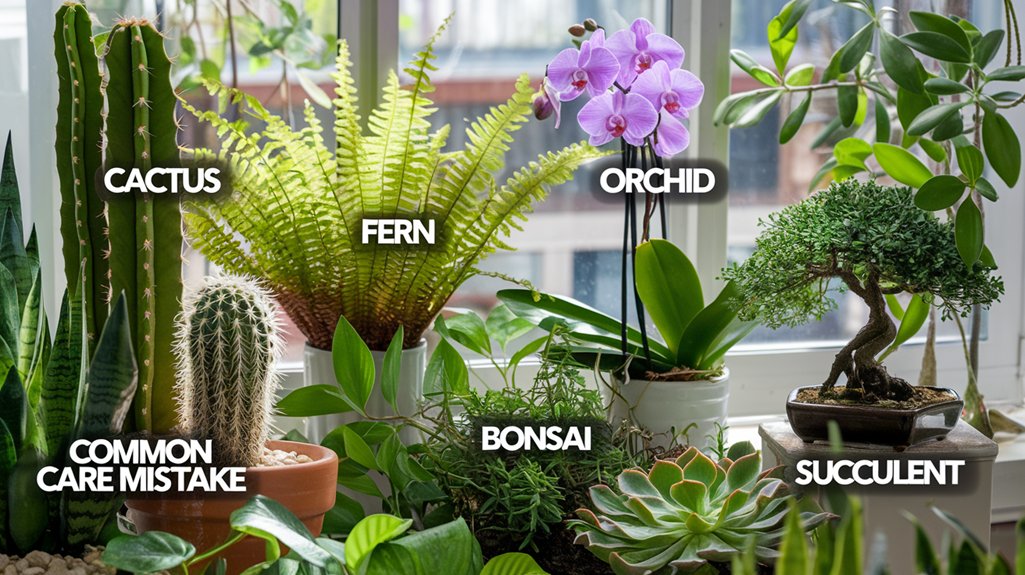
Common Mistakes When Choosing Potting Soil
Understanding the specific soil needs of your indoor plants sets the stage for avoiding common pitfalls in potting soil selection.
One of the most common mistakes is assuming that a single potting soil suits all plants, despite their different needs for drainage and moisture retention.
Neglecting soil texture, which should be loose and crumbly, can lead to root rot. It’s essential to avoid heavy, dense soils that hinder drainage and create waterlogged conditions.
Overlooking the pH balance can result in nutrient absorption issues, as most houseplants thrive in slightly acidic to neutral pH levels.
Finally, don’t ignore organic certifications; these soils are richer in nutrients and lack harmful synthetic additives.
- Assume one soil fits all
- Ignore soil texture
- Neglect pH balance
- Use dense soil
- Overlook organic certifications
Tips for Maintaining Healthy Indoor Plants
When maintaining healthy indoor plants, ensuring proper drainage is essential to prevent overwatering and root rot. Use potting soils designed for indoor plants, often containing perlite and coconut coir. To maintain consistent moisture, monitor humidity and watering schedules since many air-purifying plants prefer slightly moist conditions. Fertilize with a balanced, slow-release formula every three to six months to provide essential nutrients. Repot plants every 1-2 years with fresh potting soil to replenish nutrients and promote aerated, well-draining conditions. Regularly clean leaves with a damp cloth to enhance photosynthesis and air purification.
| Task | Frequency |
|---|---|
| Check moisture levels | Weekly |
| Fertilize | Every 3-6 months |
| Repot plants | Every 1-2 years |
| Clean leaves | Monthly |
| Monitor humidity | Weekly |
Recommended Soil Brands for Air-Purifying Plants
Selecting the right soil is essential for the health of your air-purifying plants, as it directly influences their growth and ability to cleanse the air.
When choosing potting soil for indoor houseplants, consider options that promote moisture retention and nutrient availability.
Here are some recommended brands:
- FoxFarm Ocean Forest Potting Soil: Offers organic composition and excellent drainage, ideal for various plants.
- Gardenera Premium Monstera Potting Soil: Perfect for aroids and Monsteras, with bark for moisture retention.
- Espoma Organic Orchid Mix: Tailored for orchids with a mix that supports aeration and growth.
- Miracle-Gro Cactus, Palm & Citrus Potting Soil: Contains peat moss and perlite for palms.
- Air Cleaning Plant Potting Mix from Soil Sunrise: Custom blend for small foliage indoor houseplants.
These options enhance your plants’ air-purifying capabilities.
Conclusion
You’ve now got the knowledge to choose the best soil mixes for your air-purifying indoor plants. Focus on the right balance of ingredients like compost, sphagnum peat moss, perlite, and vermiculite for ideal growth. Avoid common pitfalls by understanding your plant’s specific needs and maintaining proper drainage. Regularly monitor soil moisture and adjust care routines as needed. By selecting the right soil, you’re ensuring the health and essence of your plants, contributing to a cleaner indoor environment.