
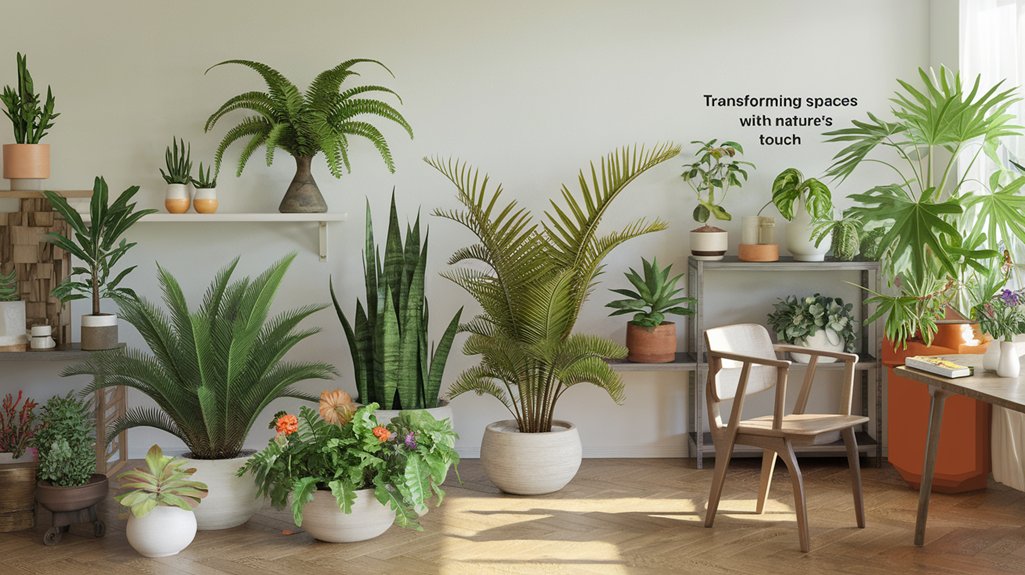
Biophilic design starts with indoor plants because they bridge the gap between modern interiors and the serene allure of nature. By incorporating greenery, you elevate both the aesthetics and emotional harmony of any space, creating a serene and visually pleasing environment. Indoor plants improve air quality and wellbeing, fostering a connection to the natural world. Embrace this tranquil transformation in your space and discover more about creating restorative environments that nurture the soul.
The Connection Between Humans and Nature
When you bring a touch of nature indoors, it’s not just about adding a splash of green; it’s about rekindling a primal bond that resonates deep within us.
This connection between humans and natural elements enhances mental health by reducing stress and anxiety. In your indoor spaces, plants don’t merely decorate; they purify the air, removing harmful toxins and creating a sanctuary of wellness.
You’ll find that these living elements foster a nurturing environment that harmonizes with your senses, promoting emotional well-being. As you place plants around your home, you’re not just enhancing aesthetics; you’re crafting a space that encourages social interaction and a deeper connection to nature.
Embrace this biophilic design and watch your indoor world transform.
The Role of Indoor Plants in Wellbeing
Although often underestimated, indoor plants play a pivotal role in enhancing your wellbeing by intertwining the beauty of nature with the functionality of interior spaces. They reduce stress and boost your mood, transforming your indoor environment into a sanctuary of calm.
By using natural materials, you create a connection to the outdoors, echoing the serenity found in nature. Caring for these green companions not only provides personal satisfaction but also fosters a sense of accomplishment, further enhancing your mental health.
The presence of indoor plants can make everyday spaces feel more inviting and harmonious, promoting mental clarity and focus. As you integrate greenery into your home, you’re not just decorating; you’re nurturing a tranquil atmosphere that supports your overall wellbeing.
Improving Air Quality With Indoor Greenery
Embracing indoor greenery transforms your living space into a revitalizing change, both literally and aesthetically. Indoor plants like pothos and snake plants purify the air by removing toxins such as formaldehyde and benzene, thereby enhancing air quality. With biophilic design, natural light complements these plants, helping them thrive while improving your health outcomes. NASA suggests one plant per 100 square feet to guarantee ideal air purification across your living spaces.
| Plant Type | Benefits |
|---|---|
| Pothos | Removes formaldehyde & xylene |
| Snake Plant | Filters benzene & improves air |
| Spider Plant | Reduces airborne allergens |
Transpiration increases humidity, easing respiratory issues, while varied greenery decreases dust and pollutants. Indoor plants not only cleanse the air but also contribute to reduced stress and improved cognitive function.
Selecting the Right Plants for Your Space
To create a harmonious indoor environment, selecting the right plants is key to complementing the air-purifying benefits of indoor greenery.
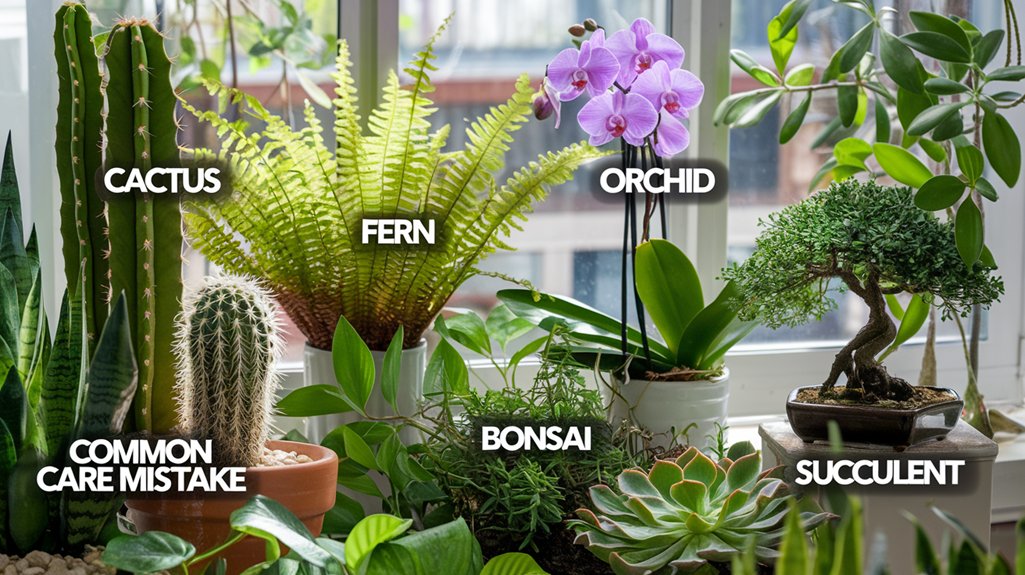
Start with low-maintenance options like snake plants and ZZ plants, perfect for beginners. These indoor plants thrive in various lighting conditions, making them versatile choices for biophilic design.
Enhance air quality by choosing pothos and spider plants, which remove toxins like formaldehyde and benzene.
Consider your space’s lighting; snake plants tolerate low light, while succulents prefer bright, indirect sunlight.
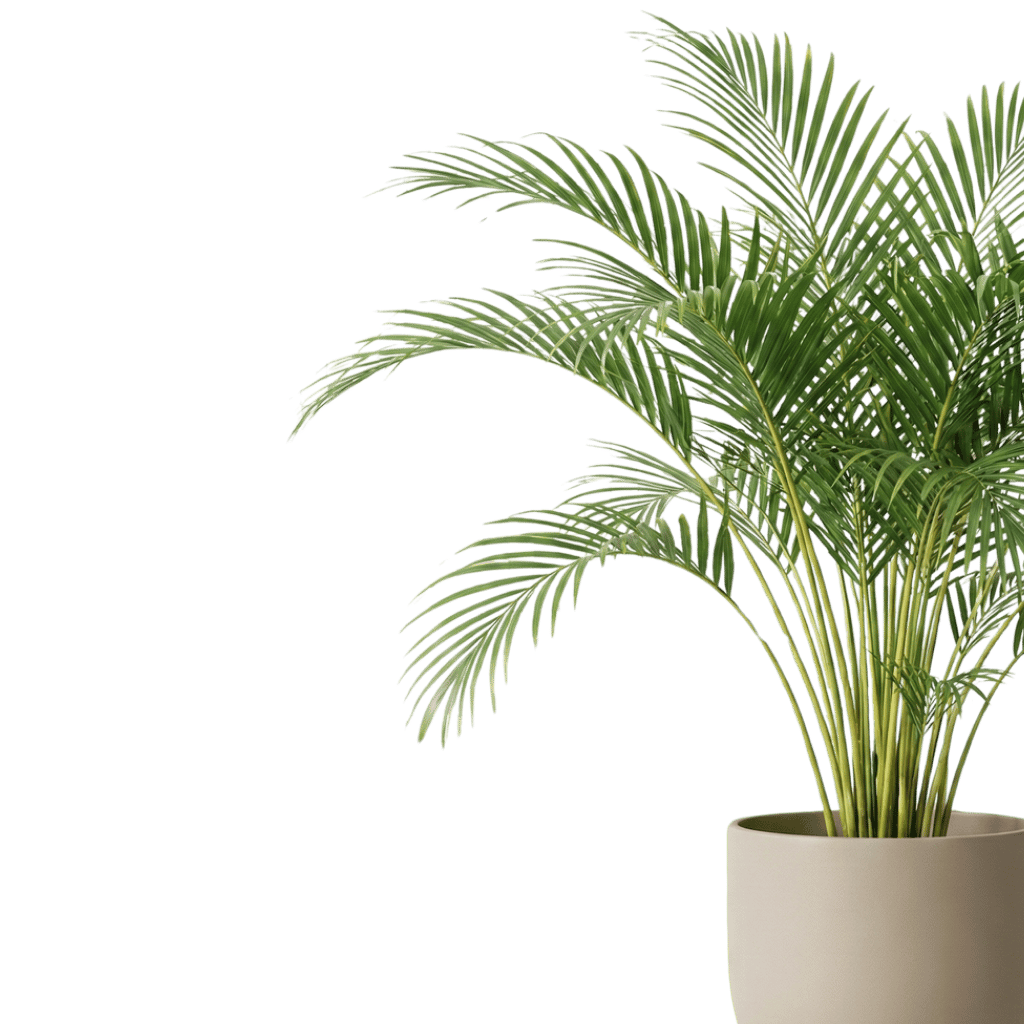
Create visual interest by incorporating diverse plant sizes and shapes—taller plants like corn plants can be focal points, while smaller ones add desk greenery.
Aim for 12% plant coverage to balance nature with functional areas.
Enhancing Aesthetics With Natural Elements
When designing a space that feels both inviting and tranquil, incorporating natural elements like indoor plants plays an essential role. By weaving vibrant colors and natural textures into your design, you create an aesthetically pleasing ambiance.
Indoor plants like pothos and snake plants not only purify the air, but they also infuse lush greenery into your space. This enhances the overall aesthetic appeal and introduces a soothing atmosphere. Incorporating natural elements like earthy color palettes of browns and greens can further promote a harmonious look, boosting mood and reducing stress.
Consider adding textured finishes, such as vertical gardens, to transform ordinary walls into striking features. Statement plants like Monstera or Fiddle Leaf Fig serve as enchanting focal points, reflecting your personal style.
Creating Restorative Environments at Home
As you transform your home into a sanctuary, blending nature into your interiors can foster a restorative environment.
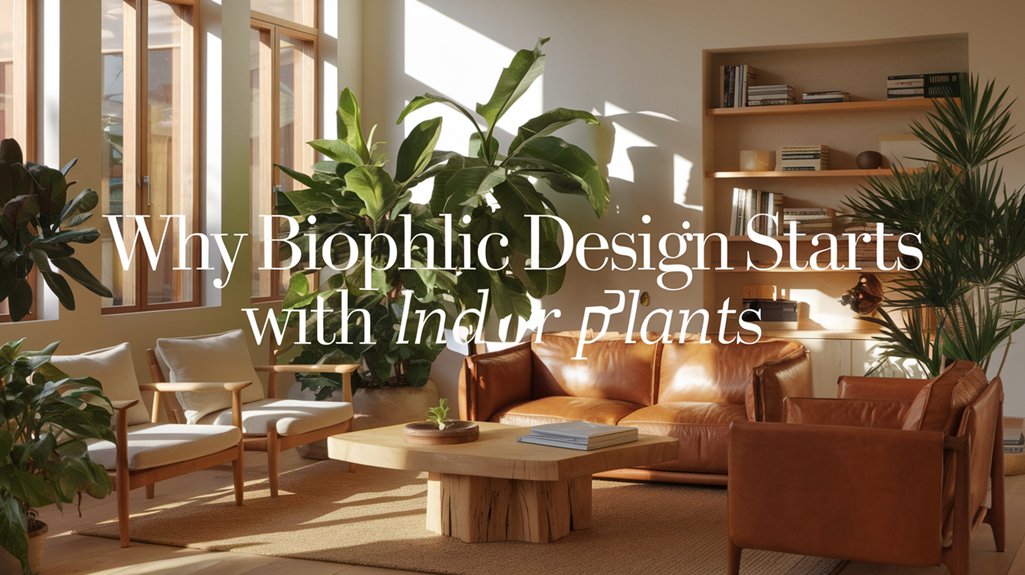
Embrace biophilic design by incorporating indoor plants and allowing natural light to cascade through your spaces. These elements create an inviting atmosphere where nature and living things coexist harmoniously.
Indoor plants, besides enhancing air quality, reduce stress and elevate mood, turning home environments into tranquil retreats.
Opt for natural materials and textures that complement your leafy companions, enhancing spatial awareness and aesthetic appeal.
Position plants strategically to cover around 12% of your workspace, boosting concentration and productivity.
Caring for these green friends nurtures a sense of responsibility, enhancing your emotional well-being.
Your transformed home becomes a haven of calm and rejuvenation.
Conclusion
Incorporating indoor plants into your space isn’t just about aesthetics; it’s about creating a harmonious environment that nurtures your well-being. When you choose the right greenery, you’re not only enhancing air quality but also inviting nature’s tranquility into your home. Let each plant be a symbol of your material-conscious choices, transforming your space into a restorative sanctuary. Embrace biophilic design by letting your indoor garden reflect your connection to nature, inviting peace and balance into your life.