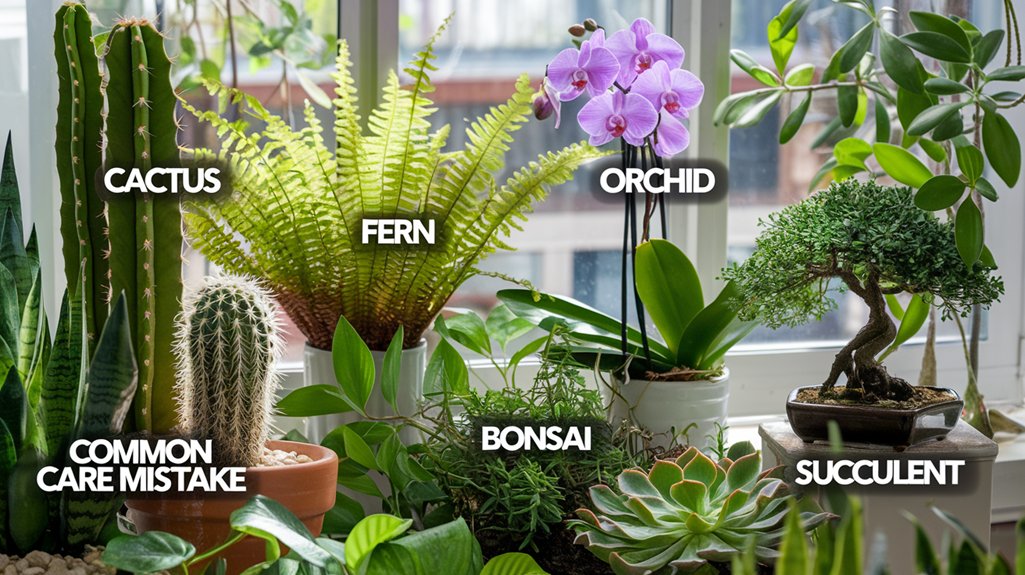

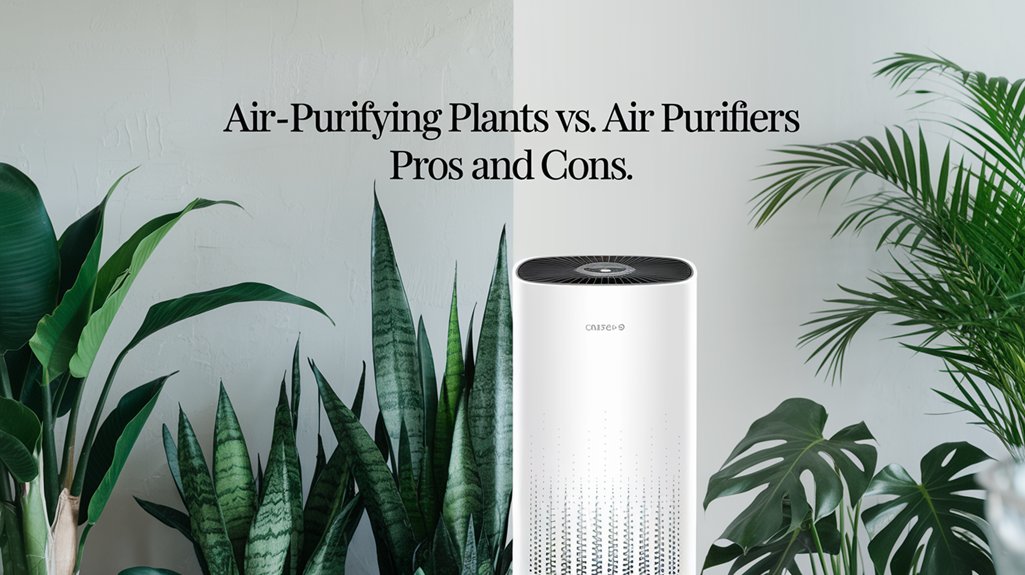
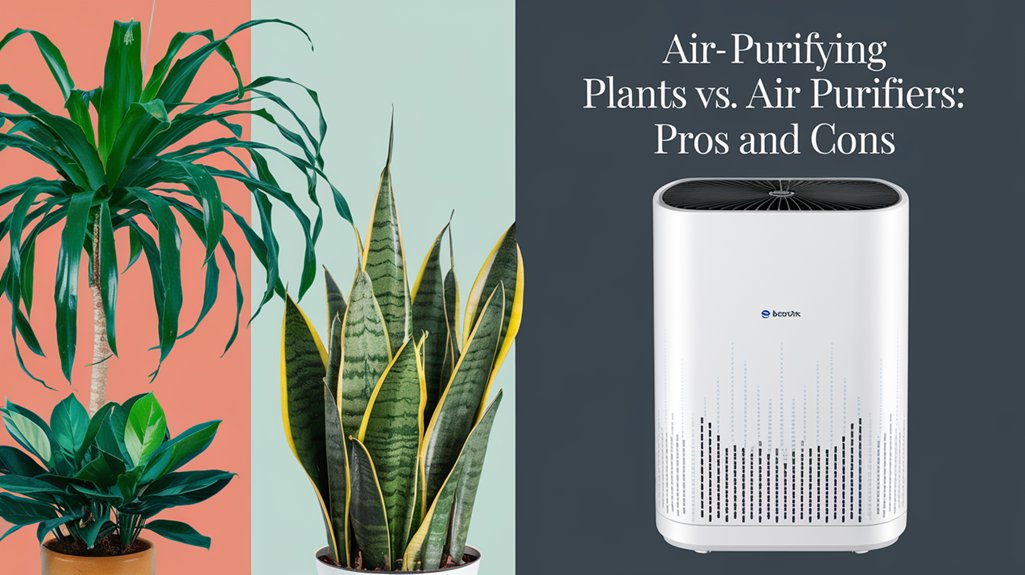
You’ll find air purifiers offer a more effective solution for removing pollutants than houseplants. While plants provide aesthetic and psychological benefits, their impact on air quality is minimal. Air purifiers with HEPA and activated carbon filters efficiently trap allergens and odors. They require less maintenance compared to the extensive care needed for enough plants to make a difference. Balancing both can enhance your indoor environment aesthetically and functionally. Explore further to understand the best approach for your needs.
Understanding the Role of Houseplants in Air Quality
Although houseplants are often celebrated for their ability to improve air quality, their actual impact is limited in typical indoor environments. You might believe houseplants act as air purifiers by removing VOCs like formaldehyde and benzene. However, their effectiveness is minimal without an impractical density of 10 to 1,000 plants per 10 square feet.
The NASA study from 1989 initially suggested their air purification potential, but later research clarified the unrealistic conditions of those experiments. Houseplants release carbon dioxide at night, counteracting their daytime benefits, further limiting their impact on indoor air quality.
To clean the air effectively, combining houseplants with other methods like air purifiers and regular cleaning is essential to address pollutants and improve overall indoor air quality.
Effectiveness of Air Purifiers in Removing Pollutants
While houseplants have limited capacity in purifying indoor air, air purifiers excel in this role. Equipped with HEPA filters, air purifiers can trap 99.97% of airborne particles as small as 0.3 microns, effectively removing dust, pollen, mold spores, and pet dander.
This greatly enhances indoor air quality by addressing pollutants plants can’t filter out. Activated carbon filters further improve air cleaning by neutralizing odors and volatile organic compounds (VOCs), eliminating harmful gases.
Many air purifiers combine multiple filtration layers, ensuring thorough pollutant removal in indoor spaces. Their effectiveness extends to large areas, with some models covering up to 1,361 square feet.
Consequently, air purifiers provide a rapid, efficient solution for maintaining consistent indoor air quality.
Comparing Aesthetic and Psychological Benefits
When it comes to enhancing the appeal of indoor environments, indoor plants offer more than just air quality benefits. Their aesthetic appeal, with greenery and vibrant colors, transforms spaces, boosting ambiance.
Beyond looks, research highlights their psychological benefits, aiding mental well-being through stress reduction and relaxation. Unlike air purifiers, which focus solely on clean air, plants as air purifiers add emotional value:
- Connection to nature: Indoor plants foster tranquility and improved mood.
- Stress reduction: The presence of plants can lower stress levels, enhancing relaxation.
- Sense of purpose: Caring for plants can be a rewarding hobby, fostering mental health.
- Enhanced productivity: A green environment can boost focus and efficiency.
While both improve indoor air quality, only plants enrich emotional and aesthetic experiences.
Analyzing Maintenance and Cost Considerations
Considering maintenance and cost, air-purifying plants and air purifiers present distinct challenges and benefits.
Maintaining plants involves regular watering, monitoring for pests, and ensuring adequate light, which can be time-consuming. In contrast, air purifiers are low-maintenance, requiring only annual filter changes.
Cost-wise, acquiring enough plants for effective air quality improvement is often higher than investing in a single air purifier. A home might need up to 1,000 plants per 10 square feet for noticeable improvements, making it impractical.
While plants offer aesthetic and psychological benefits, their ongoing maintenance costs, like potting soil and pest control, add up.
Air purifiers, especially with HEPA filters, provide efficient air cleaning, targeting specific pollutants without extensive maintenance or cleaning products.
Choosing the Right Solution for Your Indoor Environment
4. Combination Strategy:
Balance aesthetics and function by combining air purifiers and plants strategically to maximize air quality and visual appeal.
Conclusion
When choosing between air-purifying plants and air purifiers, consider your specific needs. Plants offer natural beauty and psychological benefits but require maintenance and have limited pollutant removal capabilities. Air purifiers efficiently remove pollutants and allergens, though they come with higher initial and operational costs. Assess your priorities: if aesthetics and mood enhancement are key, go for plants. If maximizing air quality is essential, invest in a high-quality air purifier. Balance both for best results.