

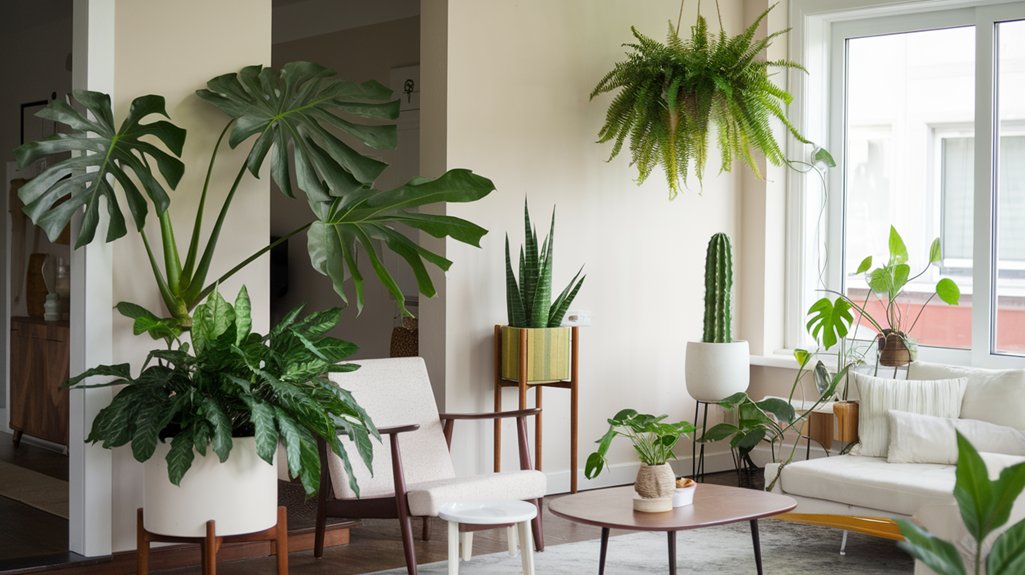
Transform your living room into a green oasis with air-purifying plants like the resilient Snake Plant and classic Rubber Plant. These natural wonders remove toxins while enhancing your decor. Consider the hardy Dracaena ‘Janet Craig’ or a trailing English Ivy for elegance. For low-maintenance beauty, Pothos and Bamboo Palm offer tropical flair with minimal effort. Each plant boasts unique benefits, promising improved air quality and aesthetic charm. Discover how these botanical selections can invigorate your space.
Rubber Plant: A Classic Choice for Air Quality
If you’re looking to enhance both the aesthetic and air quality of your living room, consider the Rubber Plant (Ficus elastica), renowned for its large, glossy leaves that effectively remove formaldehyde.
This plant is an excellent choice for improving air quality in indoor spaces. Its resilience allows it to thrive in moderate light, tolerating cooler temperatures with ease.
As a low-maintenance plant, it requires watering every 1-2 weeks, adjusting for humidity and light conditions, which makes it ideal for busy lifestyles.
Not only does the Rubber Plant purify air, but it also serves as a striking focal point, adding vertical interest to your decor.
Incorporating this classic plant can transform your space into a healthier, more visually appealing environment.
Dracaena ‘Janet Craig’: The Hardy Tall Plant
After exploring the benefits of the Rubber Plant for air quality, let’s turn our attention to another indoor marvel, the Dracaena ‘Janet Craig’ (Dracaena fragrans). This hardy houseplant, with its striking dark green, glossy leaves, thrives in low-light conditions and adds a touch of elegance to your living room. It’s not just a pretty face; Dracaena ‘Janet Craig’ is an air purifying powerhouse, adept at removing toxins like trichloroethylene, fostering a healthier environment. Low-maintenance and forgiving of neglect, it requires only sporadic watering. This versatile indoor greenery can soar to six feet, serving as a bold focal point in any space.
| Emotion | Why it Matters | Example |
|---|---|---|
| Awe | Striking focal point | Tall, glossy leaves |
| Relief | Low-maintenance care | Tolerates neglect |
| Assurance | Healthier environment | Removes toxins |
| Comfort | Thrives in low-light | Ideal for beginners |
| Satisfaction | Aesthetic value | Elegant appearance |
English Ivy: A Trailing Beauty for Pet-Free Homes
Although often admired for its charming trailing vines, English Ivy (Hedera helix) serves as more than just an ornamental touch in your living room. This plant is a powerhouse in purifying the air, adept at absorbing airborne toxins like formaldehyde and benzene, thereby enhancing indoor air quality.
English Ivy thrives in indirect light, making it ideal for areas with limited sunlight. However, it’s crucial to recognize its toxicity to pets, making it perfect for pet-free homes.
To maintain its aesthetic appeal and health, remember these care tips:
- Pruning: Regular pruning encourages bushier growth and maintains shape.
- Temperature: Keep an eye on high temperatures to avoid stress.
- Pest Control: Monitor for spider mites to guarantee a thriving plant.
Pothos: The Easiest Houseplant to Care For
While English Ivy offers a classic charm to pet-free homes, Pothos (Epipremnum aureum) stands out as the ultimate choice for those seeking a low-maintenance, resilient houseplant.
Known as the easiest houseplant, Pothos adapts effortlessly to various light conditions, including low light. It thrives despite humidity and temperature fluctuations, making it ideal for busy lifestyles.
Pothos plays an essential role in purifying indoor air by eliminating toxins like formaldehyde, benzene, and xylene, promoting a healthier environment. Its heart-shaped leaves, available in diverse green shades and variegations, contribute to an attractive aesthetic.
Regular pruning encourages healthy growth and controls its trailing vines, ensuring a neat appearance. This resilient plant is perfect for enhancing your living space with minimal effort.
Bamboo Palm: Tropical Elegance With Air Purifying Benefits
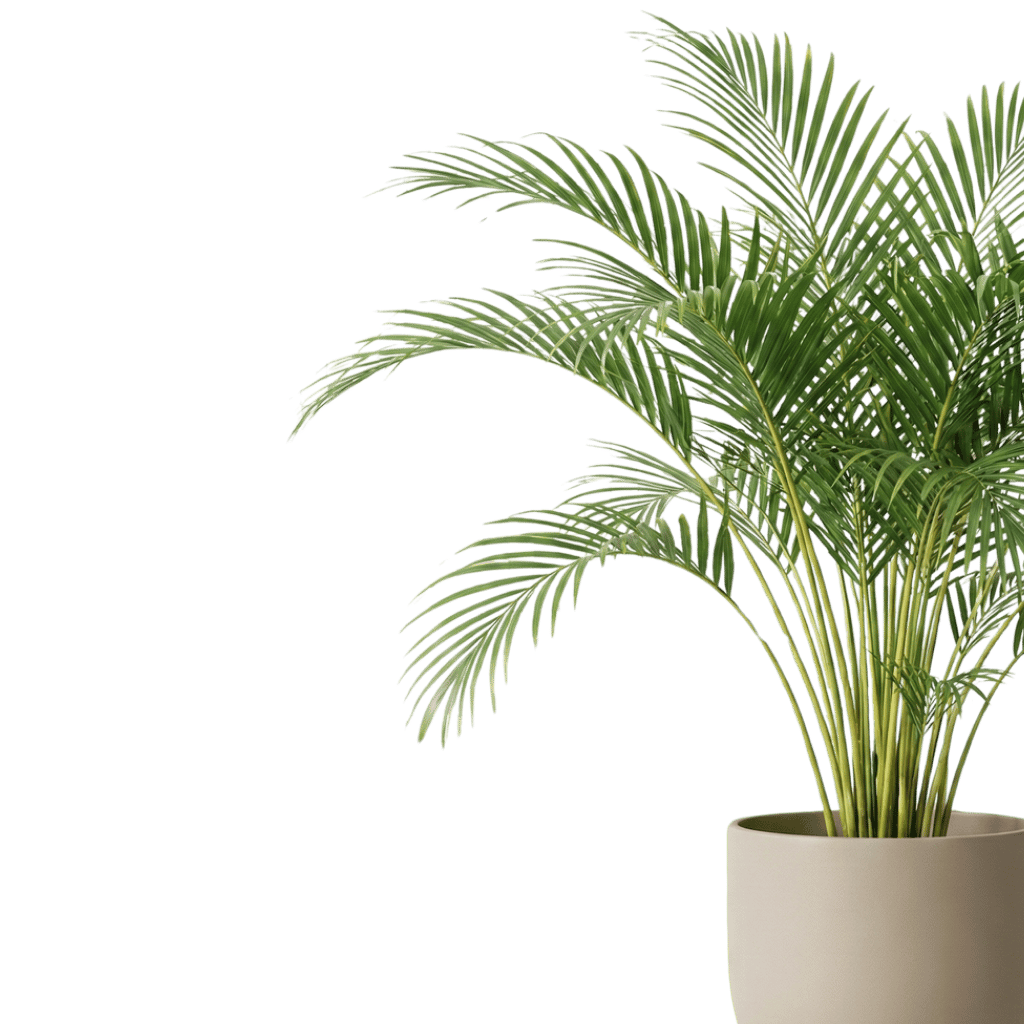
The Bamboo Palm (Dypsis lutescens), with its lush, tropical appearance, serves as an elegant centerpiece in any living room while offering remarkable air-purifying benefits.
This plant is an expert at removing indoor pollutants like benzene, formaldehyde, and trichloroethylene, considerably enhancing air quality. Its adaptability to part sun and part shade conditions makes it a versatile addition to your living room decor.
For ideal care, remember:
- Consistent Watering: Keep the soil moist, preferring slightly overwatering to prevent dryness.
- Light Requirements: Thrive in part sun to part shade, allowing flexibility in placement.
- Pet Safety: Non-toxic to pets, making it a safe choice if you have furry family members.
Introduce the Bamboo Palm to enjoy both its beauty and health benefits.
Boston Fern: Lush Greenery With High Maintenance
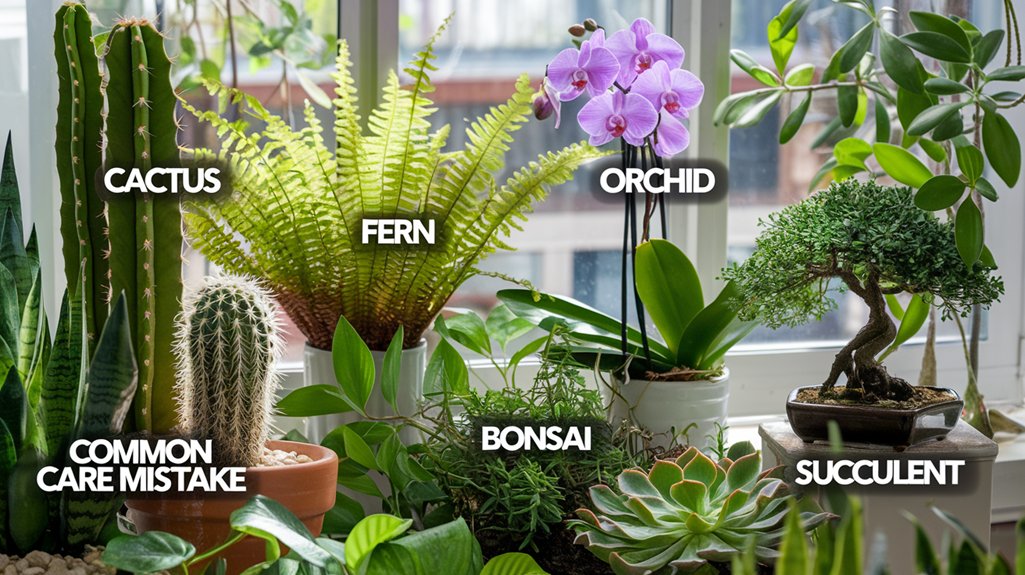
Despite its high maintenance reputation, the Boston Fern (Nephrolepis exaltata) offers lush greenery and substantial air-purifying capabilities, making it a prized choice for plant enthusiasts.
This air-purifying plant efficiently filters indoor pollutants such as xylene, toluene, and benzene, greatly enhancing air quality.
To maintain its lush fronds, you’ll need to meet its specific humidity requirements. Frequent misting and consistent soil moisture are vital, as the Boston Fern thrives in humid environments.
Position your fern in bright indirect sunlight to avoid leaf burn and guarantee it flourishes. Regular attention to its watering needs and proper light exposure is essential.
With dedication, your Boston Fern will thrive, offering a verdant display and cleaner air in your living space.
Peace Lily: Ornamental Elegance for All Skill Levels
Grace your living room with the Peace Lily (Spathiphyllum), a plant that combines ornamental beauty with practicality. Its elegant white flowers and glossy green leaves make it a standout in any living room decor.
As an air-purifying plant, it effectively removes harmful toxins like benzene and formaldehyde. Peace Lilies thrive in indirect sunlight, making them perfect for spaces with varied light conditions.
This low-maintenance plant requires:
- Regular Watering: Keep soil moist but avoid sogginess.
- Indirect Sunlight: Guarantees healthy growth and vibrant blooms.
- Cautious Placement: Toxic to pets; place out of their reach.
With proper care, Peace Lilies can bloom year-round, adding continuous elegance. Their ability to purify air and low maintenance needs make them ideal for all skill levels.
Spider Plant: Easy Propagation and Air Filtration
While the Peace Lily brings elegance and air purification to your living space, the Spider Plant offers an equally valuable contribution with its remarkable air-filtering capabilities and ease of propagation.
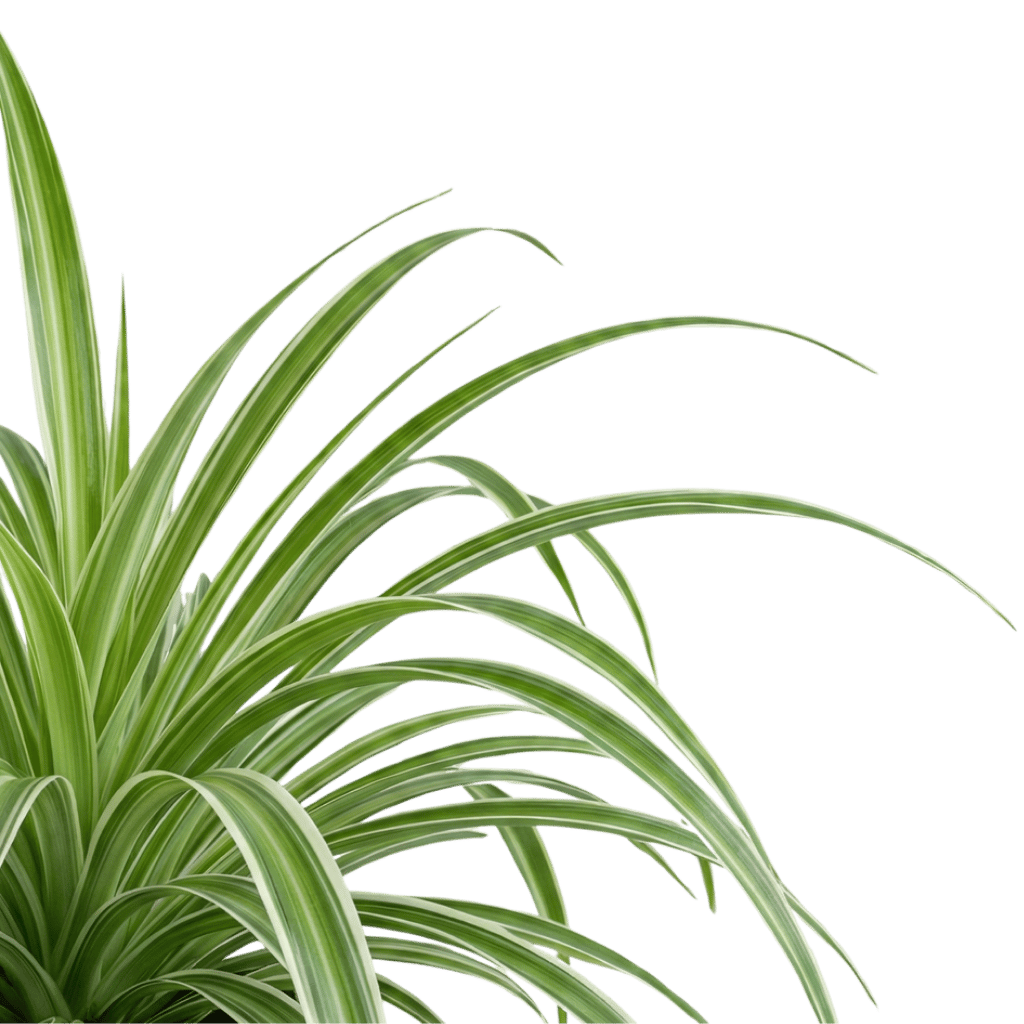
As one of the top air purifying plants, the Spider Plant (Chlorophytum comosum) efficiently removes toxins from the air, such as carbon monoxide and formaldehyde, actively improving air quality.
These resilient plants thrive in indirect light, making them adaptable to any home environment, perfect for beginners or those with busy lifestyles.
Their easy propagation through offsets, or “pups,” allows you to expand your collection effortlessly.
Non-toxic to pets, Spider Plants guarantee a healthier living space without risk.
Regular watering and misting maintain their lush green appearance, purifying the air effectively.
Snake Plant: Drought Tolerant and Resilient Decor
When considering drought-tolerant options for your living room, the Snake Plant (Sansevieria) stands out as an exemplary choice. This resilient plant is perfect for indoor spaces, thriving even in low-light conditions.
Its upright leaves not only enhance your decor with a modern aesthetic but also work tirelessly to purify the air. Remarkably, the Snake Plant removes toxins like formaldehyde and benzene, improving air quality in your home.
Here’s why the Snake Plant is ideal for your living room:
- Drought Tolerant: It requires minimal watering, making it ideal for busy lifestyles.
- Purifying Air: Effectively eliminates harmful toxins, enhancing indoor air quality.
- Oxygen at Night: Releases oxygen while you sleep, promoting a healthier environment.
Embrace this low-maintenance, resilient plant for stylish decor.
Conclusion
You’ve explored a vibrant array of living room plants that not only enhance your space but also purify the air. Whether you choose the classic rubber plant or the resilient snake plant, each offers unique benefits. Embrace the lushness of a Boston fern or the easy propagation of a spider plant. With the right care, these green companions will thrive, enhancing indoor air quality and adding natural beauty to your home. Immerse yourself in plant care, and your living room will flourish.