
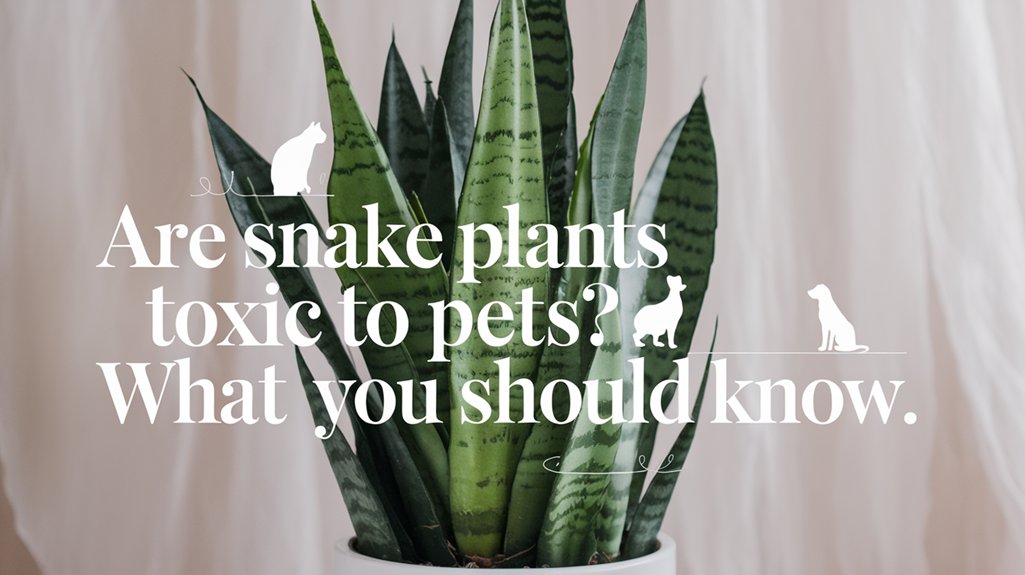

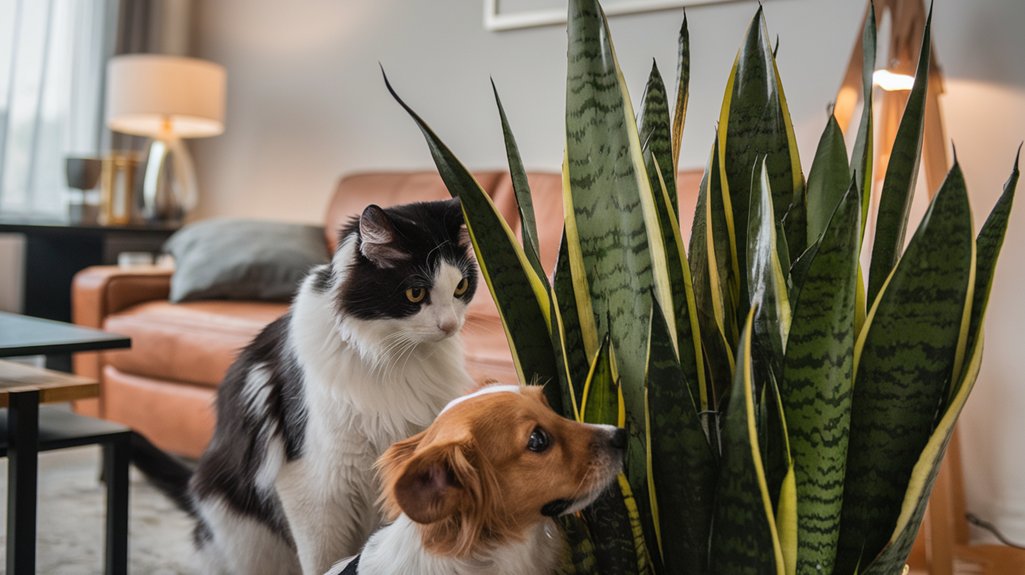
Snake plants are mildly to moderately toxic to pets due to the presence of saponins. If your cat or dog ingests this plant, they might experience symptoms like vomiting, diarrhea, and lethargy. Recognize these signs and seek veterinary advice promptly. Don’t induce vomiting unless a professional advises it. Consider pet-safe alternatives like spider plants for a worry-free home. If you’re curious about preventive measures and pet-friendly options, you’ll discover invaluable insights ahead.
Understanding the Toxicity of Snake Plants
When you’re considering adding a snake plant to your home, it’s vital to understand its potential toxicity to pets.
Snake plants contain saponins, making them toxic to pets like cats and dogs. If ingested, your pet might experience symptoms of toxicity such as nausea, vomiting, diarrhea, and lethargy, primarily causing gastrointestinal upset.
The severity of these symptoms can range from mild to moderate, but in rare cases, severe complications such as hemolysis in dogs may occur.
The ASPCA recognizes snake plants as toxic, highlighting the significance of keeping them out of reach from your furry companions.
If your pet shows symptoms after ingesting a snake plant, seeking veterinary care promptly is imperative to guarantee effective recovery and prevent further complications.
Chemical Compounds in Snake Plants
Understanding the chemical compounds in snake plants is essential for pet owners concerned about their furry friends’ safety.
Snake plants contain toxic compounds known as saponins, which act as a natural defense against herbivores and microorganisms. These glycosides can disrupt cell membranes, causing gastrointestinal distress in pets when ingested. Symptoms of poisoning include nausea, vomiting, and diarrhea, indicating irritation of the gastrointestinal tract.
The concentration of saponins varies across different species of snake plants, affecting the severity of symptoms. Due to these toxic compounds, snake plants are classified as having mild to moderate toxicity by the ASPCA.
As a responsible pet owner, it’s vital to recognize the potential risks that snake plants pose to your pets’ health and take necessary precautions.
Symptoms of Snake Plant Poisoning in Pets
Recognizing the symptoms of snake plant poisoning in pets is key to ensuring their well-being.
Snake Plant Toxicity often leads to gastrointestinal distress in pets, manifesting quickly after ingestion. Common symptoms include:
- Vomiting and diarrhea: These indicate gastrointestinal upset.
- Drooling and lethargy: Particularly in dogs, these are early signs of distress.
- Loss of appetite and swollen throat: Notable in cats, these symptoms suggest discomfort and potential poisoning.
- Abdominal discomfort: Pets may appear in pain or refuse to lie down.
Monitor your pet closely if they show any of these symptoms.
While mild to moderate toxicity is typical, severe cases can occur. If signs persist for more than 1-2 days, consult a veterinarian immediately to prevent further complications.
Effects of Snake Plants on Dogs
Although snake plants are popular houseplants, they contain saponins that are toxic to dogs.
As a pet owner, you should be aware that snake plant poisoning can cause mild symptoms such as vomiting, nausea, and diarrhea. Your dog might also experience lethargy, drooling, and abdominal discomfort.
While these symptoms of snake plant ingestion are generally not fatal, consuming large quantities can lead to hemolysis, or ruptured red blood cells.
If your dog shows any signs of distress after eating a snake plant, you should seek immediate veterinary attention. A veterinarian can provide supportive care and monitor your dog’s condition.
With prompt intervention, the prognosis for recovery from snake plant poisoning is typically good. Don’t delay; contact your veterinarian as soon as possible.
Effects of Snake Plants on Cats
If you’ve got a curious cat at home, knowing the risks of snake plants is crucial. Snake plants are toxic to cats due to saponins, which irritate the gastrointestinal system. Symptoms your cat might exhibit include nausea, vomiting, and a swollen throat or mouth. You may also notice a loss of appetite.
Watch for these distress signs:
- Dilated pupils
- Depression
- Abdominal discomfort
- Persistent symptoms for 1-2 days
While the toxicity is mild, it’s important to monitor your cat closely. Significant ingestion could necessitate veterinary attention.
Always consider pet-safe alternatives to snake plants in your home. Removing the plant from your cat’s environment is a wise precaution, as prompt action can prevent more severe health issues.
Immediate Actions If Your Pet Ingests a Snake Plant
When your pet takes a bite of a snake plant, quick action is essential to guarantee their safety.
Start by immediately removing the toxic plant to prevent further consumption. Monitor your pet closely for symptoms such as vomiting, diarrhea, drooling, and lethargy, which may indicate gastrointestinal distress.
It’s vital to contact your veterinarian or a pet poison control hotline for guidance. Don’t induce vomiting unless explicitly instructed by a professional, as it might worsen the situation.
Providing fresh water can help flush out toxins and ease any discomfort your pet experiences.
Bringing a sample or picture of the snake plant to the veterinarian can aid in identifying the plant and determining the best course of treatment for your pet.
Preventive Measures to Protect Pets From Snake Plants
After addressing immediate actions when a pet ingests a snake plant, focusing on prevention guarantees peace of mind and protects your furry friends from future mishaps.
Implementing preventive measures is key. Keep your pet safe by placing toxic plants like snake plants out of reach using high shelves or tall plant stands.
Supervise pets around these plants, particularly if they’re known for their curiosity. Consider pet-safe deterrents such as bitter sprays to deter chewing.
Offering designated chewing toys or pet-safe plants like spider plants can satisfy their chewing instincts. If your pet persistently shows interest in snake plants, rehoming snake plants might be the best option for their safety.
- Place plants out of reach
- Use pet-safe deterrents
- Offer designated chewing toys
- Supervise pets actively
Pet-Safe Alternatives to Snake Plants
While snake plants might pose a risk to your pets, several pet-safe alternatives can enhance your home without compromising your furry friends’ well-being.
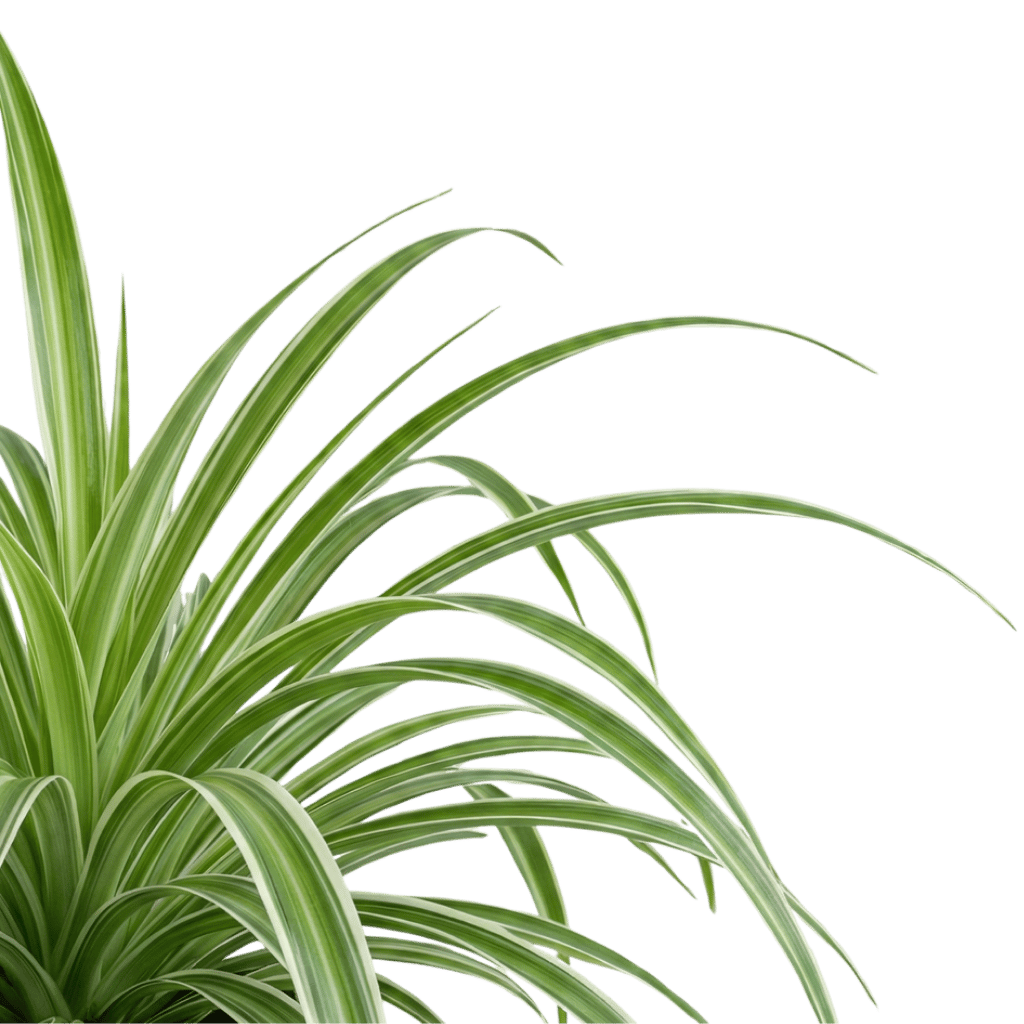
Spider plants are excellent non-toxic plants that boast air-purifying qualities, making them ideal for households with pets.
The cast iron plant is another robust option, featuring snake plant-like foliage and requiring minimal care, safe for both dogs and cats.
For a unique aesthetic, consider ponytail palms, which are drought-tolerant and pet-friendly.
Boston ferns thrive in humid environments, offering lush greenery without endangering your pets.
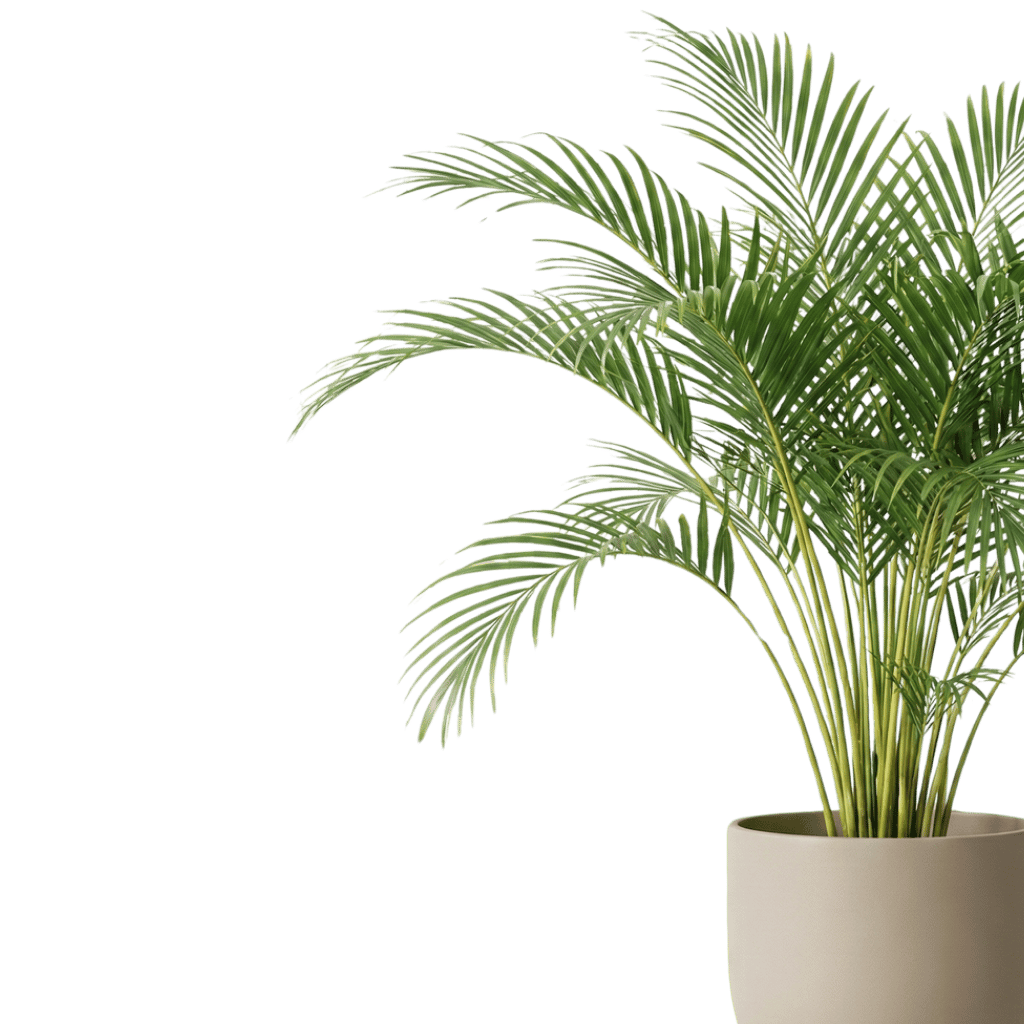
Finally, Areca palms aren’t only non-toxic but also purify the air, serving as a perfect addition to a pet-friendly home.
Choose these pet-safe alternatives to snake plants for peace of mind.
Expert Recommendations for Pet Owners
Choosing pet-safe plants is a great first step, but understanding expert recommendations can further protect your furry friends.
Snake plants are toxic to pets due to saponins, which may cause gastrointestinal symptoms like vomiting and diarrhea.
To mitigate risks, consider these expert tips:
- Elevate snake plants: Place them on high shelves to prevent accidental ingestion.
- Use pet-safe deterrents: Apply bitter sprays to keep curious pets away.
- Opt for non-toxic plants: Choose options like spider plants, Boston ferns, or cast iron plants.
- Ensure regular supervision: Watch your pets, especially young ones, around houseplants.
If your pet ingests a snake plant, immediate contact with a veterinarian is vital.
These strategies can help maintain a safe environment for your pets.
Conclusion
You now know that snake plants can be toxic to pets due to saponins, leading to symptoms like vomiting and diarrhea. If your pet ingests a snake plant, contact your vet immediately for guidance. To guarantee your pet’s safety, keep snake plants out of reach or opt for pet-safe alternatives like spider plants or Boston ferns. Always prioritize your pet’s health by choosing non-toxic plants and consulting experts for advice tailored to your specific situation.