
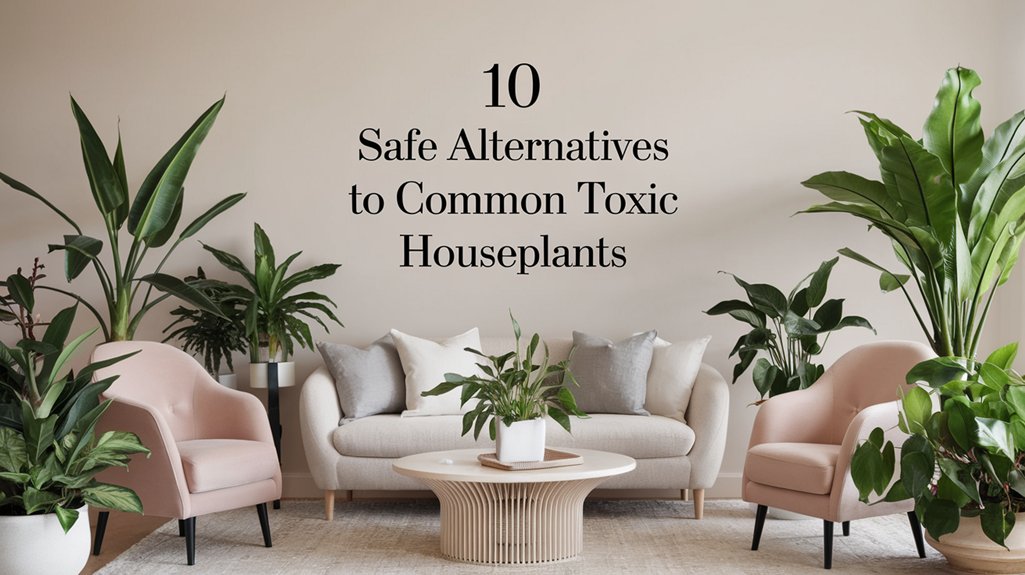
Discovering safe houseplants for your home guarantees a secure environment for kids and pets. Consider African Violets and Boston Ferns for air purification and lush aesthetics. Incorporate Spider Plants and Parlor Palms to add greenery while improving air quality. Hoya Carnosa provides charming, star-shaped flowers without toxicity. Watermelon Peperomia and Baby Rubber Plant suit compact spaces. Explore Ponytail Palms for sculptural interest and Bird’s Nest Fern for wildlife-inspired design. Uncover more to transform your space.
African Violet (Saintpaulia Ionantha)
While African Violets (Saintpaulia ionantha) are admired for their striking blooms, their appeal extends beyond aesthetics.
These plants are a superb choice if you’re seeking non-toxic plants that are safe for children and pets. Unlike many popular houseplants that harbor toxic elements, African Violets pose no risk when curious little ones or pets explore their surroundings.
For ideal growth, make certain your African Violet is planted in a pot about one-third of its size. Watering from below prevents water from sitting on their delicate leaves, which is essential for their health.
Position them in bright, indirect light and away from cold drafts to maintain their vibrant appearance. This guarantees your home remains both beautiful and safe for all its inhabitants.
Boston Fern (Nephrolepis Exaltata)
The Boston Fern (Nephrolepis exaltata) is a quintessential houseplant, celebrated for its lush, feathery fronds and exceptional air-purifying abilities.
If you’re looking to enhance indoor air quality, consider this plant for its ability to remove pollutants from the environment. It’s non-toxic to children and pets, making it a safe addition to homes with both young ones and furry friends.
For ideal health, maintain high humidity and cool temperatures between 60-75°F. This fern thrives on consistent moisture, so make sure the soil remains damp but not soggy.
Avoid direct sunlight, which can scorch its delicate fronds, causing them to yellow. Regular misting or using pebble trays will maintain the humidity needed to keep your Boston Fern thriving and verdant.
Spider Plant (Chlorophytum Comosum)
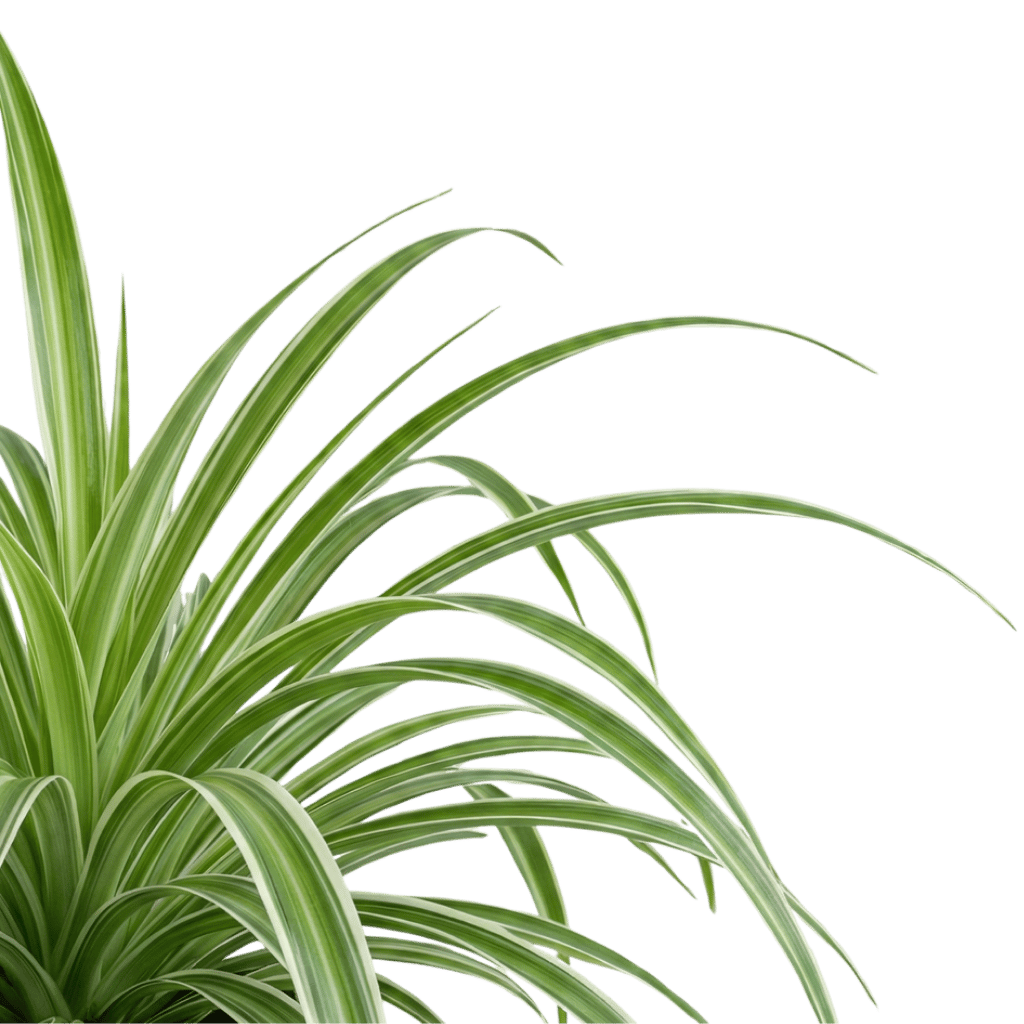
Admired for its robust air-purifying capabilities, the Spider Plant (Chlorophytum comosum) is an exceptional choice for enhancing indoor environments. This resilient species thrives under various conditions, preferring indirect bright light but tolerating low-light settings. Spider plants are non-toxic to children and pets, ensuring a safe household environment. They’re easy to care for, requiring watering once the top inch of soil dries, though overwatering can induce root rot. Significantly, these plants produce “pups” or offshoots, facilitating straightforward propagation.
Here’s a quick reference:
| Characteristic | Details | Benefits |
|---|---|---|
| Light Preference | Indirect bright light | Versatile placement |
| Toxicity | Non-toxic to children/pets | Safe for all homes |
| Propagation | Through “pups” | Easy multiplication |
| Watering Needs | When soil is dry | Low maintenance |
| Air Purification | Highly effective | Improved air quality |
Parlor Palm (Chamaedorea Elegans)
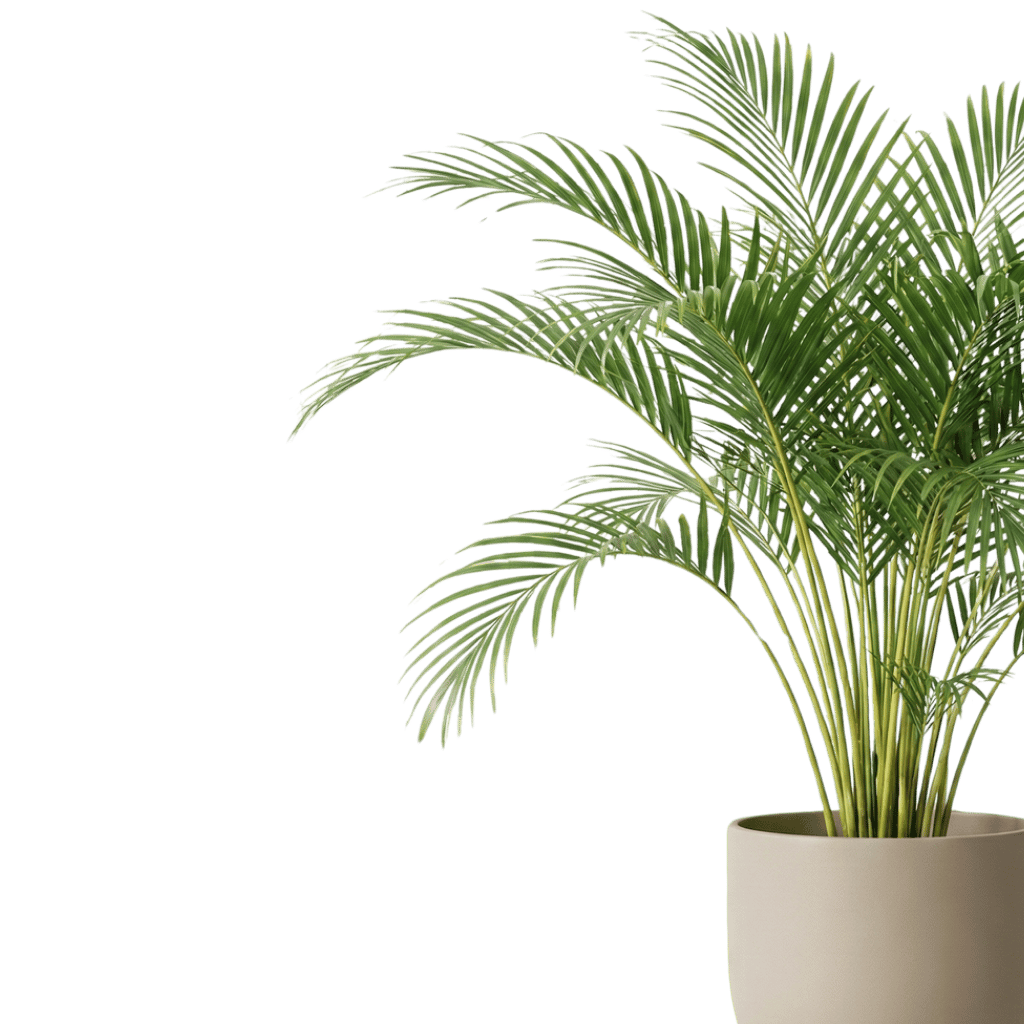
Should you seek a resilient houseplant that combines aesthetic appeal with practicality, consider the Parlor Palm (Chamaedorea elegans). This popular houseplant is celebrated for its elegant, feathery fronds and thrives even in low-light conditions.
Ideal for indoor environments, it prefers bright indirect light but adapts remarkably well to dimmer spaces. Guarantee peak growth by misting regularly to maintain humidity and watering when the top inch of soil dries.
What’s more, the Parlor Palm is non-toxic, making it a safe choice for homes with children or pets.
Beyond its beauty, it contributes to a healthier indoor environment by purifying air and filtering pollutants. This tropical plant effortlessly enhances your home’s ambiance while guaranteeing safety and practicality in your plant selection.
Hoya Carnosa
If you’re seeking a houseplant that combines resilience with aesthetic charm, consider Hoya Carnosa, also known as the wax plant. This vining marvel is adorned with thick, waxy leaves and clusters of star-shaped flowers.
Hoya Carnosa thrives in bright, indirect sunlight, suitable for indoor spaces with moderate light. Its minimal care requirements make it perfect for busy households; simply water every two to three weeks, allowing soil to dry between waterings.
Significantly, Hoya Carnosa is non-toxic to children and pets, ensuring a safe environment for both young kids and furry companions. Although it grows slowly, this plant can produce fragrant blooms under ideal conditions, adding a tropical touch and elegance to your home decor.
Chinese Money Plant (Pilea Peperomioides)
The Chinese Money Plant, scientifically known as Pilea peperomioides, captivates with its distinct, coin-like foliage that not only adds visual appeal but also embodies prosperity and good fortune across various cultures.
As a non-toxic option, this houseplant guarantees a safe environment for children and pets. Its care regime is simple yet effective; you’ll want medium to bright indirect light and regular rotation to encourage symmetrical growth.
Watering is minimal, needed only when the top inch of soil dries out.
Imagine your space adorned with:
- Glossy, round leaves resembling coins
- A vibrant, green centerpiece thriving in indirect sunlight
- Clusters of “pups,” or baby plants, ready for propagation
- A low-maintenance, yet ornamental addition to your home
Pilea peperomioides makes an excellent, worry-free choice for any plant enthusiast.
Baby Rubber Plant (Peperomia Obtusifolia)
While many houseplants can pose risks to children and pets, the Baby Rubber Plant (Peperomia obtusifolia) offers a safe and elegant alternative. Unlike some common houseplants that are toxic to humans, these plants are safe, exhibiting non-toxic characteristics.
Their thick, waxy leaves, typically dark green, not only enhance visual appeal but also contribute to indoor air quality by purifying the air.
This resilient species thrives under bright, indirect light but adapts well to lower light conditions, making it a versatile choice for various home environments.
Guarantee ideal growth by watering weekly when the top inch of soil dries, avoiding overwatering to prevent root rot.
Ponytail Palm (Beaucarnea Recurvata)
Imagine a houseplant that combines striking aesthetics with remarkable resilience—this is the Ponytail Palm, scientifically known as Beaucarnea recurvata.
As a non-toxic houseplant, it features a distinctive bulbous trunk and cascading leaves reminiscent of a ponytail. Its drought-tolerant nature allows it to thrive in bright indirect light, making it an adaptable choice for various indoor settings.
Consider these characteristics:
- Bulbous Trunk: Acts as a water reservoir, ensuring survival during dry spells.
- Arching Leaves: Create a dramatic, flowing effect, enhancing visual appeal.
- Minimal Watering: Requires hydration only when soil is completely dry.
- Indoor Growth: Reaches up to 6 feet, forming a striking focal point.
The Ponytail Palm’s versatility and low-maintenance care make it an exceptional choice for homes, especially those with children and pets.
Bird’S Nest Fern (Asplenium Nidus)
If you’re seeking a lush addition to your indoor greenery, consider the Bird’s Nest Fern (Asplenium nidus), known for its vibrant, wavy fronds that bring a tropical touch to your home. This non-toxic houseplant thrives in high humidity environments, making it a superb choice for bathrooms or kitchens. Its preference for indirect sunlight and consistently moist, but not soggy, soil guarantees it remains vigorous with minimal effort.
| Feature | Detail |
|---|---|
| Toxicity | Non-toxic to children and pets |
| Ideal Environment | High humidity, indirect sunlight |
| Maintenance Requirements | Consistently moist soil, regular watering |
Asplenium nidus is perfect for both novice and experienced plant enthusiasts. It’s a safe, visually appealing option, elevating your space with little concern for toxicity. Its adaptability makes it a reliable addition to any household.
Watermelon Peperomia
Watermelon Peperomia (Peperomia argyreia) stands out with its striking, watermelon-striped foliage, making it an alluring choice for any plant enthusiast seeking to enhance their home décor.
This non-toxic house plant thrives in bright indirect light, reducing the risk of leaf scorch while maximizing photosynthesis. You’ll find it ideal for compact spaces as it reaches only 12 inches in height.
Water it only when the top inch of soil feels dry to the touch, ensuring ideal hydration without overwatering. Occasional fertilization during the growing season enhances its vibrant leaf coloration and overall health.
- Watermelon-patterned leaves: Alluring, unique foliage.
- Bright indirect light: Essential for thriving growth.
- Non-toxic: Safe for children and pets.
- Compact growth: Perfect for limited space environments.
Conclusion
By choosing these non-toxic plants, you’re creating a safer environment without sacrificing beauty or the benefits of greenery. African Violet and Boston Fern are excellent for adding color and texture. Spider Plant and Parlor Palm thrive with minimal care, improving air quality. Hoya Carnosa and Baby Rubber Plant offer lush foliage. Ponytail Palm and Bird’s Nest Fern bring unique forms, while Watermelon Peperomia adds vibrant patterns. These choices guarantee a harmonious, toxin-free home for both people and pets.