

Ensuring a pet-safe indoor plant environment is essential. You should choose non-toxic plants like Spider Plants and Moth Orchids, known for their aesthetic appeal and safety. Familiarize yourself with toxic varieties, such as Peace Lilies, which risk serious health hazards. Position plants in secure locations and maintain care factors like light and humidity. Be vigilant about symptoms of plant toxicity in pets. By understanding these dynamics, more insights into maintaining a harmonious ecosystem await.
Importance of Pet-Safe Indoor Plants
When selecting indoor plants, ensuring they’re pet-safe is essential to prevent potential poisoning and maintain your pet’s safety. Many common indoor plants can be toxic to pets, posing significant health risks.
Pet owners should prioritize plant safety by identifying pet-friendly houseplants. Consulting resources like the ASPCA’s extensive list of toxic and non-toxic plants allows you to make informed decisions.
Choosing non-toxic to dogs plants can create a harmonious environment where your pets and greenery coexist peacefully. Incorporating pet-safe plants not only safeguards your furry friends but also enhances indoor air quality, contributing to a healthier living space.
Top 12 Pet Safe Indoor Plants
Selecting the right indoor plants that are safe for your pets involves understanding their biological characteristics and environmental needs.
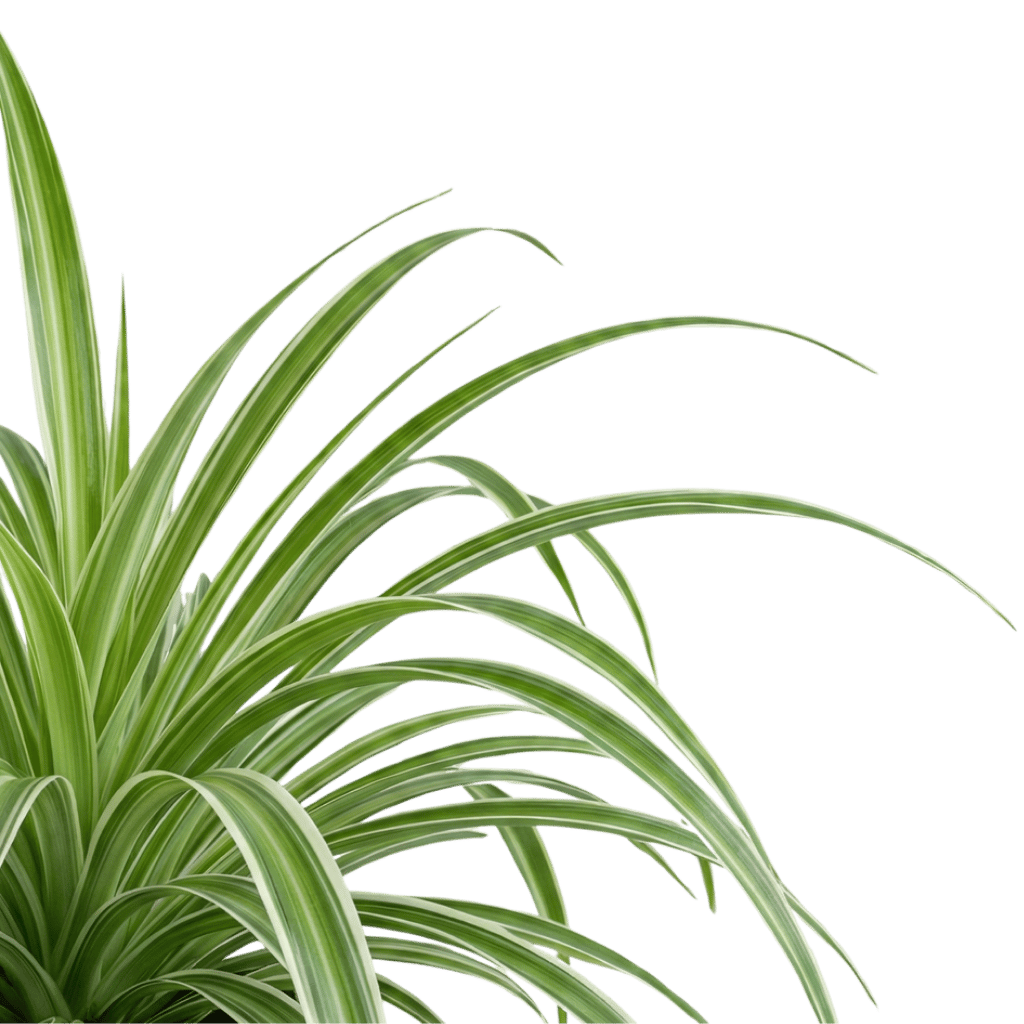
Pet-safe plants like Spider Plants (Chlorophytum comosum) excel in various light conditions, easily cared for by placing them in bright indirect light, and produce new plants through pups.
Moth Orchids (Phalaenopsis) offer elegant blooms lasting up to three months, thriving in well-draining soil while remaining non-toxic to pets.
African Violets (Saintpaulia), with their soft, fuzzy leaves and vibrant flowers, flourish under similar light conditions, making them a popular choice for pet-friendly plants.
Each plant harmonizes aesthetics and pet safety, allowing you to curate a lush indoor garden without compromising your pet’s well-being.
Prioritize specific care to maintain vibrant green leaves.
Understanding Plant Toxicity
Understanding plant toxicity is essential for pet owners who want to maintain a safe environment. Some houseplants, like Peace Lilies and Sago Palms, are toxic to pets, causing symptoms of plant poisoning such as vomiting and lethargy.
True lilies, including Easter and Day Lilies, can lead to severe kidney damage in cats, underscoring the need for caution in plant care. It’s vital to select pet friendly plants that are safe for your furry friends.
The ASPCA offers an invaluable list of toxic and non-toxic plants, assisting in informed decision-making. Even mildly toxic plants should be approached with caution, as they can still cause discomfort.
Always monitor your pets around indoor plants to prevent any adverse reactions.
Alternative Pet Safe Plants
Although many common houseplants pose risks to pets, several alternatives guarantee safety without compromising aesthetics or ease of care.
Consider the Spider Plant, a pet-safe indoor option that thrives effortlessly and creates “Spiderettes” for easy propagation.
The Moth Orchid (Phalaenopsis) offers stunning, long-lasting blooms, ensuring elegance while remaining harmless to your furry companions.
For a robust addition, the Birds Nest Fern (Asplenium nidus) provides lush greenery and adapts well to various indoor environments, without typical fern complexities.
The African Violet (Saintpaulia) delights with its soft, fuzzy leaves and vibrant flowers, thriving as a colorful, pet-safe choice.
Finally, the Watermelon Peperomia (Peperomia argyreia) showcases unique foliage, and as a semi-succulent, it thrives indoors without endangering pets.
Plant Care Tips for Pet Owners
As you explore the world of pet-safe plants, it’s vital to equip yourself with the right care techniques to maintain both a thriving indoor garden and a safe environment for your pets.
Start by regularly monitoring light requirements and humidity levels, as these conditions are critical for ideal plant growth. Water plants only when the top inch of soil feels dry, helping to prevent root rot and discourage unhealthy conditions.
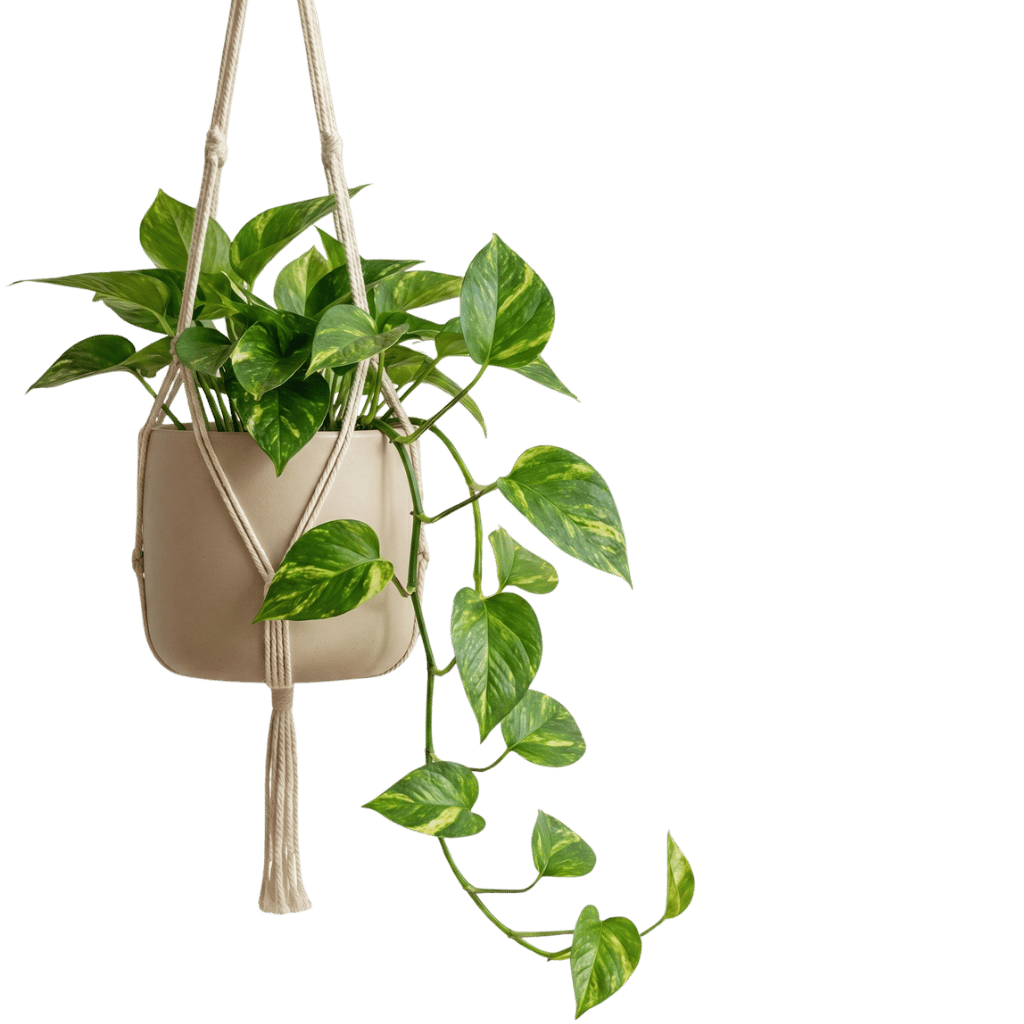
Utilize well-draining soil in pots with drainage holes to avoid excessive moisture, reducing fungal growth risk. Position plants on high shelves or in hanging planters to keep them safe for pets.
Finally, familiarize yourself with each plant’s specific care needs and adjust your care routine accordingly, ensuring a harmonious indoor ecosystem.
Signs of Plant Toxicity in Pets
When pets come into contact with potentially harmful plants, it’s vital to recognize the early signs of toxicity. Common indicators include vomiting, diarrhea, lethargy, and a noticeable decrease in appetite, which may suggest poisoning.
Symptoms can vary depending on the plant; for example, true lilies can cause severe kidney damage in cats, whereas other plants might only result in mild gastrointestinal upset. Immediate veterinary intervention is imperative if your pet shows unusual behavior or physical symptoms.
To manage potential risks effectively:
- Monitor: Keep a close watch on your pets’ interactions with plants.
- Consult: Utilize the ASPCA’s list of toxic and non-toxic plants to identify hazards.
- Prepare: Maintain accessible veterinary contact information for emergencies.
Prompt action can mitigate the effects of plant toxicity.
Creating a Pet-Safe Plant Environment
Recognizing plant toxicity symptoms in pets is just the beginning of ensuring their safety. Construct a pet-safe plant environment by placing pet-safe plants on elevated shelves or in hanging pots, effectively deterring curious pets and reducing accidental ingestion risks.
Implement deterrents like aluminum foil or citrus peels around plants to discourage interaction. Vigilantly monitor behavior around new indoor plants to preemptively address issues. Employ positive reinforcement to train pets to ignore plants, fostering a harmonious coexistence.
Segregate mildly toxic plants in restricted areas, ensuring pets have safe alternatives readily available. This strategic approach minimizes potential hazards, safeguarding both plant life and animal well-being.
Conclusion
By choosing pet-safe indoor plants, you’re fostering a harmonious environment that prioritizes your pet’s health. Understanding plant toxicity is essential—always verify each plant’s safety. Consider alternatives when necessary, and adjust care routines to meet both plant and pet needs. Watch for toxicity signs like drooling or vomiting, and seek vet advice if needed. Your home can be a thriving ecosystem where plants and pets coexist safely, with a little meticulous planning and informed choices.