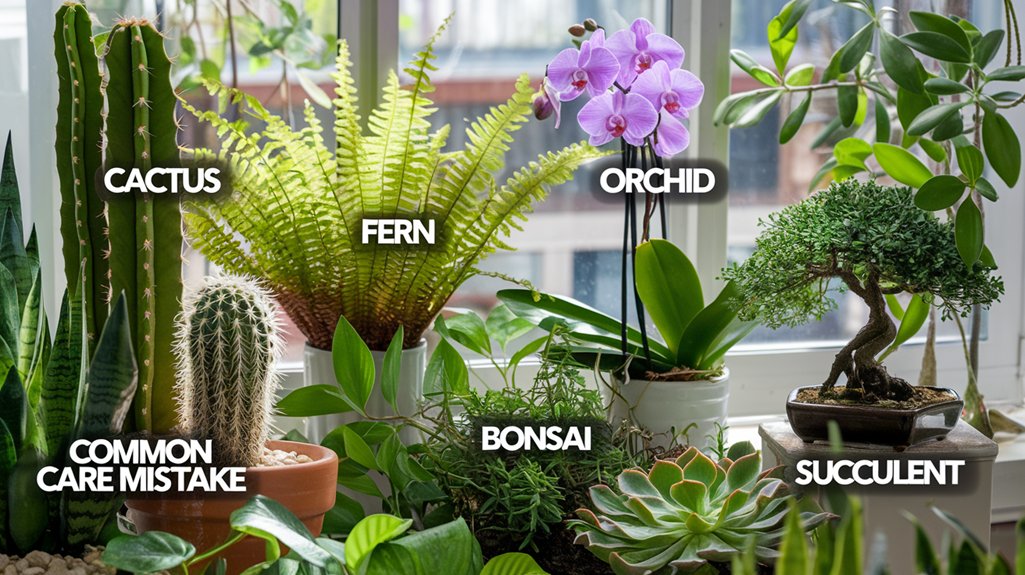




Houseplants can affect pets, so watch for symptoms like vomiting, excessive drooling, and oral irritation. If your pet shows reluctance to eat, pawing at their mouth, or unusual behaviors, they may have ingested a toxic plant. Lethargy, loose stools, or respiratory difficulties are further warning signs. Immediate contact with a veterinarian is advised for any of these signs. Understanding these symptoms is critical for your pet’s safety, and there’s more to uncover.
Recognizing Common Symptoms of Plant Toxicity
How can you tell if your pet is suffering from plant toxicity? Recognizing the symptoms is essential.
Dogs exposed to toxic plants may exhibit vomiting, excessive drooling, and oral irritation. These symptoms can indicate gastrointestinal distress or discomfort.
Watch for excessive drooling, which often signals oral irritation, especially with plants like Dieffenbachia and Pothos. Additionally, vomiting is a common reaction that shouldn’t be ignored.
If your dog shows any of these symptoms, or if you notice a reluctance to eat, it’s important to contact your veterinarian immediately. Early intervention can prevent more severe complications.
Understanding Behavioral Changes in Pets
Why do sudden behavioral changes in pets often go unnoticed until it’s too late? Many pet owners overlook subtle signs, assuming they’re minor or unrelated to toxicity.
However, behavioral changes like increased drooling or vomiting often result from ingesting toxic common houseplants. These symptoms might indicate irritation in the gastrointestinal tract, necessitating close monitoring.
Pets displaying lethargy, decreased appetite, or excessive scratching may have come into contact with plant toxins. More severe symptoms, such as difficulty breathing or swallowing, require immediate attention.
Observing unusual behaviors, like pawing at the mouth or a sudden disinterest in normal activities, can signal potential poisoning. Recognizing these changes enables timely intervention, potentially saving your pet’s health and well-being.
Identifying Gastrointestinal Distress
Recognizing gastrointestinal distress in pets is essential for ensuring their well-being.
If your pet has ingested toxic houseplants, you might notice several symptoms that warrant attention. These signs can vary, but common indicators include:
- Vomiting: Frequent or severe vomiting can suggest ingestion of harmful plants.
- Diarrhea: Loose stools are a typical response to toxins affecting the digestive system.
- Abdominal Pain: Your pet may exhibit discomfort or sensitivity in the stomach area.
- Excessive Drooling: This often accompanies other symptoms of plant toxicity.
- Changes in Appetite: A sudden loss of interest in food can be a red flag.
Monitor your pet closely, and if any of these symptoms arise, seek immediate veterinary consultation to assess and manage their condition effectively.
Observing Respiratory Difficulties
When your pet experiences respiratory difficulties, it’s vital to act swiftly to identify the cause and provide relief. Common symptoms include coughing, wheezing, or labored breathing, often triggered by exposure to toxic plants like Pothos or Philodendron.
Ingesting plants such as Dieffenbachia or Sago Palm can cause severe oral irritation, leading to excessive drooling and difficulty breathing. This can result in serious health issues if not addressed promptly.
Monitoring your pet’s breathing patterns is important, especially after they’ve been near plants like Peace Lily or ZZ Plant. These can cause immediate respiratory distress.
If you notice these signs, seek veterinary assistance without delay to prevent complications and guarantee your pet’s well-being. Early intervention is key to avoiding severe outcomes.
Monitoring Oral and Dermal Reactions
While monitoring respiratory difficulties in pets around houseplants is essential, it’s equally important to pay close attention to signs of oral and dermal reactions.
Dogs and cats often experience oral irritation from poisonous plants, which can result in excessive drooling and difficulty swallowing. Skin irritation, such as redness or itchiness, may occur from contact with certain plants.
Be vigilant for common signs of plant-related toxicity, which often appear within hours of exposure.
Watch for the following symptoms:
- Oral irritation: Burning sensations in the mouth, reluctance to eat.
- Dermal reaction: Redness, rash, or itchiness.
- Vomiting: A common sign of ingestion.
- Diarrhea: Often accompanies vomiting.
- Swelling: Particularly around the mouth or throat.
Prompt veterinary care is vital if any of these signs appear.
Taking Immediate Action for Suspected Ingestion
Should you suspect your pet has ingested a toxic plant, take immediate action by removing them from the source to prevent further harm. Identify the ingested plant, as common household plants can be toxic to dogs. Contact a pet poison control center, like the ASPCA at 888-426-4435, for expert guidance. Document any symptoms, such as vomiting or diarrhea, to provide valuable information to veterinarians. Seek veterinary care if symptoms worsen or include breathing difficulties.
| Step | Action Required |
|---|---|
| Remove Source | Move pet away from the toxic plant |
| Identify Plant | Determine the specific plant ingested |
| Contact Poison Control | Call ASPCA at 888-426-4435 |
| Document Symptoms | Note any symptoms like vomiting or drooling |
Following these steps guarantees prompt response and enhances care.
Preventing Future Exposure to Toxic Plants
Although guaranteeing your pet’s safety involves multiple strategies, keeping toxic plants out of reach is a critical step in preventing exposure.
Here are some practical measures:
- Place toxic plants on high shelves or in closed-off rooms to keep them inaccessible.
- Train your dog with firm voice commands to leave plants alone, rewarding them for positive behavior.
- Supervise your dog in areas with plants to prevent unsupervised interactions with potentially harmful species.
- Create a dog-proof environment by using barriers like gates or crates to restrict access when necessary.
- Educate yourself regularly about toxic plants and symptoms of exposure to guarantee prompt action for your pet’s health.
Implementing these strategies minimizes risks and fosters a safe environment for your furry friend.
Conclusion
You should remain vigilant for signs of plant toxicity in your pet, such as behavioral changes, gastrointestinal distress, respiratory difficulties, and oral or dermal reactions. Swift action is essential if you suspect ingestion; contact your veterinarian immediately. To prevent future incidents, identify and eliminate toxic plants from your environment. By understanding these symptoms and taking preventive measures, you can guarantee a safer, healthier space for your pet to thrive in. Stay informed and proactive for their well-being.