
Embrace low-light, low-effort air-purifying plants to elevate your indoor space effortlessly. Opt for the ZZ Plant, known for its resilience and VOC-filtering capacity. The Snake Plant excels in low light, releasing oxygen even at night. Pothos, the versatile climber, enhances air quality, while the Chinese Evergreen boasts colorful foliage and straightforward care. Opt for the robust Cast Iron Plant to boost resilience in dim settings. Discover how these selections bolster your indoor ecosystem.
Why Choose Low-Light, Low-Effort Plants?
When you’re selecting houseplants, opting for low-light, low-effort varieties like Snake Plants and ZZ Plants can be a strategic choice.
These species exhibit exceptional adaptability to suboptimal lighting, utilizing photosynthetic efficiency to thrive in dim environments, as elucidated by NASA’s Clean Air Study. Their air-purifying abilities arise from their capacity to absorb volatile organic compounds (VOCs) such as benzene and formaldehyde, enhancing your indoor atmosphere.
Minimal care is required; they demand infrequent watering due to their succulent nature, which stores water in leaf tissues, reducing transpiration rates. Such resilience guarantees they remain robust despite occasional neglect, making them ideal for novice horticulturists and busy individuals.
Their structural morphology and physiological traits make them a practical, scientifically-backed choice for any indoor space.
Benefits of Air-Purifying Houseplants
Choosing low-light, low-effort plants sets the stage for exploring the benefits of air-purifying houseplants.
These plants possess air-purifying properties, effectively filtering indoor pollutants such as formaldehyde, benzene, and carbon monoxide. According to NASA’s Clean Air Study, specific plants can absorb these toxins, improving air quality considerably.
By releasing moisture through transpiration, these plants also enhance humidity levels, supporting respiratory health. Their air-purifying capabilities negate the need for additional air purification systems, offering a sustainable solution.
In addition, their presence can boost mood and alleviate stress. Engaging with these low maintenance plants encourages mindfulness, creating a more productive environment.
Their dual benefits of physical and mental health make them ideal for both home and workplace settings.
ZZ Plant: The Resilient Green Companion
Meet the ZZ Plant (Zamioculcas zamiifolia), a robust and low-maintenance addition to any indoor environment.
It’s perfect for spaces with low light, thriving even in suboptimal conditions due to its high photosynthetic efficiency (Hewitt et al., 2021). The ZZ Plant’s thick, glossy leaves not only enhance your room aesthetically but also function biochemically to improve air quality.
Its air-purifying capability involves the absorption of volatile organic compounds (VOCs), reducing indoor air pollutants considerably (Wolverton et al., 1989).
You’ll find its resilience remarkable; this plant is drought-tolerant, requiring infrequent watering. Just let the top inch of soil dry before your next watering.
Such adaptability makes it nearly indestructible, catering to both busy schedules and novice plant enthusiasts seeking a reliable companion.
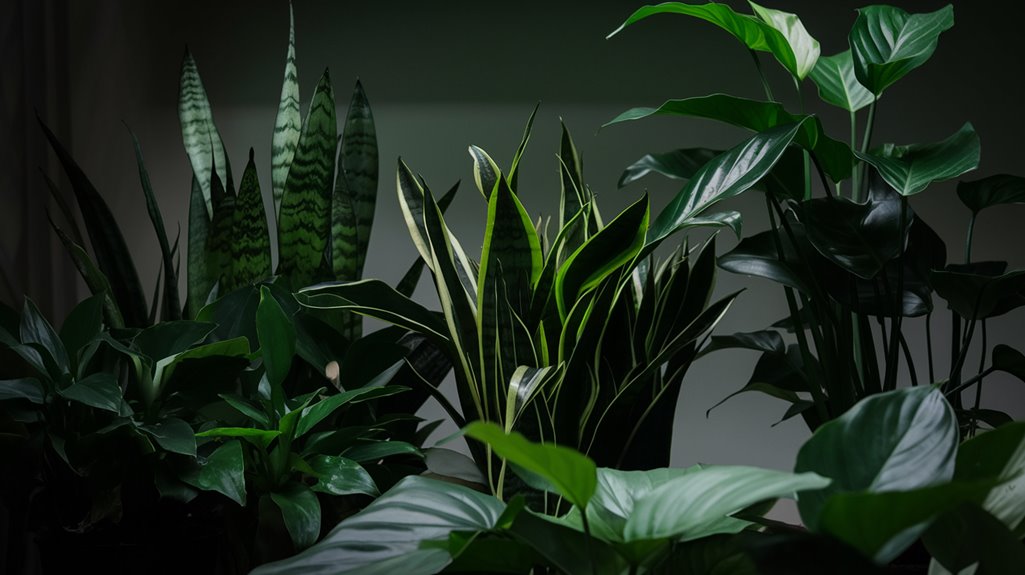
Snake Plant: The Striped Air Cleaner
Consider the Snake Plant (Sansevieria zeylanica), a steadfast and visually striking choice for your indoor greenery.
This species excels in low-light conditions, making it perfect for spaces with limited natural light. The Snake Plant’s distinctive upright, striped leaves can reach heights of 3-4 feet, adding a modern aesthetic to your home.
Its air-purifying abilities are well-documented; it absorbs harmful pollutants such as formaldehyde, benzene, and carbon dioxide, enhancing indoor air quality. Importantly, it releases oxygen at night, contributing to a healthier sleeping environment.
This drought-tolerant plant requires minimal care, only needing water when the top inch of soil is dry, reducing the risk of overwatering.
The Snake Plant is an ideal low-maintenance, high-impact addition to your space.
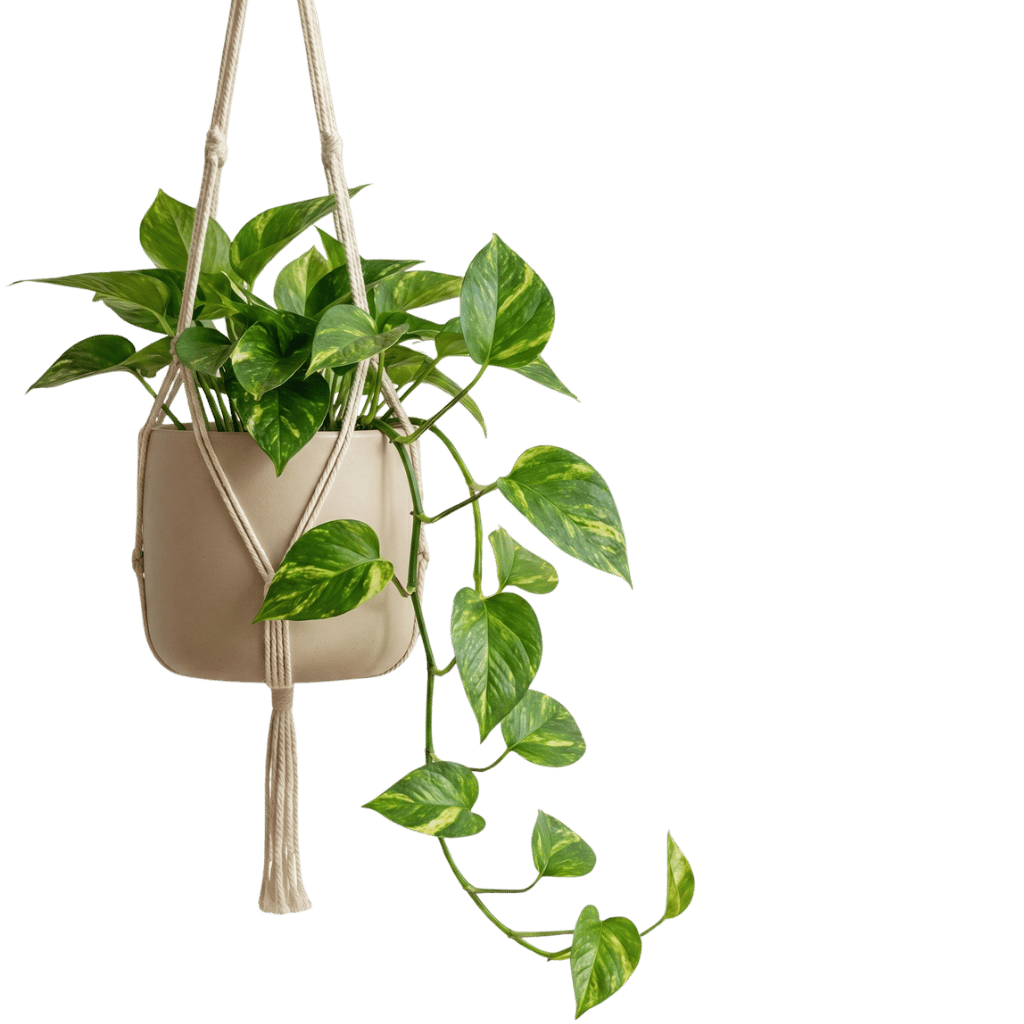
Pothos: The Versatile Climber
Among the top choices for novice gardeners, Pothos (Epipremnum aureum) stands out as a resilient and adaptable plant. Known for its efficacy as an air-purifying plant, Pothos efficiently filters formaldehyde and benzene, common indoor pollutants (Wolverton, 1989).
It thrives in low-light environments, a key feature for spaces with limited sunlight, such as offices or dimly lit rooms. The heart-shaped leaves, available in shades of solid green, yellow, or variegated forms, offer aesthetic versatility for interior decor.
Minimal maintenance is required, as Pothos needs watering only every 7 to 10 days, making it suitable for busy individuals. Its ability to grow in hanging baskets or trail along surfaces further enhances its decorative potential, allowing you to creatively integrate it into your home.
Peace Lily: The Elegant Air Purifier
Although often underestimated, the Peace Lily (Spathiphyllum ‘Sweet Pablo’) is a powerful ally in maintaining indoor air quality. This elegant plant thrives in low-light environments, making it perfect for beginners or rooms with minimal natural light.
Scientifically recognized for its air-purifying capabilities, the Peace Lily excels in removing toxins like formaldehyde, benzene, and carbon monoxide from your space.
To guarantee ideal growth and health, keep these care tips in mind:
- Light Requirements: Prefers indirect sunlight, flourishing in low-light areas.
- Watering Needs: Maintain evenly moist soil; avoid overwatering.
- Humidity: Occasional misting enhances humidity, supporting lush growth.
- Blooming: Admire its stunning white flowers that bloom periodically, adding elegance.
Embrace the Peace Lily to enhance your home’s atmosphere and air quality scientifically.
Chinese Evergreen: The Colorful Foliage
When you’re looking for a low-maintenance plant with vibrant visual appeal, the Chinese Evergreen (Aglaonema) stands out with its diverse and colorful foliage. Its leaves, exhibiting hues from dark green to silver, pink, and red, are a result of anthocyanin pigment variation, making it a stunning addition to any interior environment.
The Chinese Evergreen thrives in low-light conditions, utilizing its chlorophyll-rich leaves efficiently for photosynthesis even with limited light exposure. This adaptability, coupled with its air-purifying abilities, removes common indoor pollutants like formaldehyde and benzene, enhancing air quality.
Maintenance is straightforward: keep the soil evenly moist and mist the leaves to maintain humidity. This resilience and ability to tolerate occasional neglect suit even the busiest lifestyles.
Cast Iron Plant: The Hardiest Choice
The Cast Iron Plant (Aspidistra elatior) is the epitome of resilience, making it an ideal choice for those new to plant care. Its ability to thrive in low light conditions and withstand temperature fluctuations is well-documented in botanical studies.
This plant features robust, dark green leaves reaching up to 2 feet tall, contributing to its lush and decorative appeal. It’s not just about aesthetics; the Cast Iron Plant is scientifically recognized for its air purifying capabilities, effectively removing pollutants from indoor environments.
- Low Light Tolerance: Perfect for dimly lit spaces.
- Minimal Watering: Water only when the top inch of soil dries.
- Hardy and Durable: Withstands neglect with ease.
- Air Purifying: Improves indoor air quality by absorbing harmful toxins.
Incorporate this low-maintenance marvel into your home today.
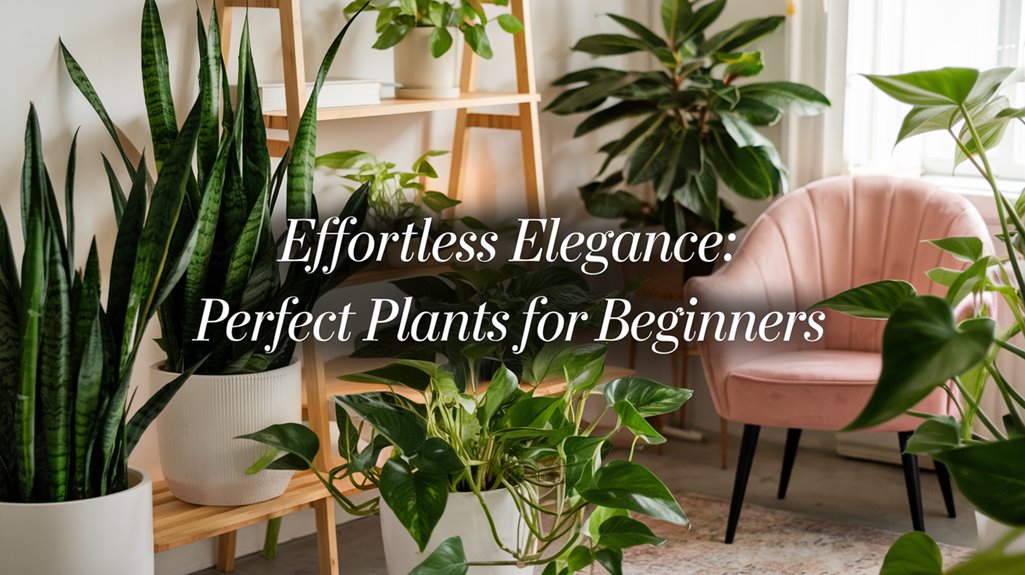
Designing With Low-Light Plants
Having explored the resilience of the Cast Iron Plant, you can now apply similar principles to create a thriving indoor environment with other low-light plants.
Grouping diverse species like Snake Plants and ZZ Plants not only enhances aesthetic depth but also improves air purifying capabilities.
Place these indoor plants strategically in areas with indirect light—near windows or on desks—to maximize their growth potential and purification efficiency.
Utilize stylish pots and plant stands to guarantee both functional and decorative advantages, allowing each plant ideal light exposure.
Incorporate self-watering systems to maintain consistent moisture levels, reducing overwatering risks.
Select species with varying leaf shapes, like Pothos and Snake Plants, to introduce visual complexity and enrich your indoor space’s ecological balance.
Enhancing Home Atmosphere With Greenery
As you consider enhancing your home atmosphere with greenery, integrating air-purifying plants offers both aesthetic and health benefits. By introducing low-light species such as the Snake Plant (Sansevieria trifasciata) and ZZ Plant (Zamioculcas zamiifolia), you can effectively boost indoor air quality.
These plants work to filter toxins like formaldehyde and benzene, vital for air purification.
- Peace Lily (Spathiphyllum spp.): Enhances humidity and purifies the air, ideal for low-light conditions.
- Chinese Evergreen (Aglaonema): Offers vibrant foliage, contributing to psychological well-being and relaxation.
- Strategic Placement: Optimizes air humidity levels, counteracting dryness from HVAC systems.
- Low-Effort Maintenance: Minimal upkeep required, perfect for improving indoor air quality without extensive gardening skills.
Conclusion
By choosing low-light, low-effort air-purifying plants, you efficiently enhance your home’s atmosphere with minimal care. Each plant, from the resilient ZZ to the hardy Cast Iron, improves air quality by removing toxins like formaldehyde and benzene, as confirmed by NASA’s Clean Air Study. Integrating these plants into your decor not only elevates aesthetic appeal but also boosts indoor humidity and reduces carbon dioxide levels, fostering a healthier, more vibrant living space effortlessly.