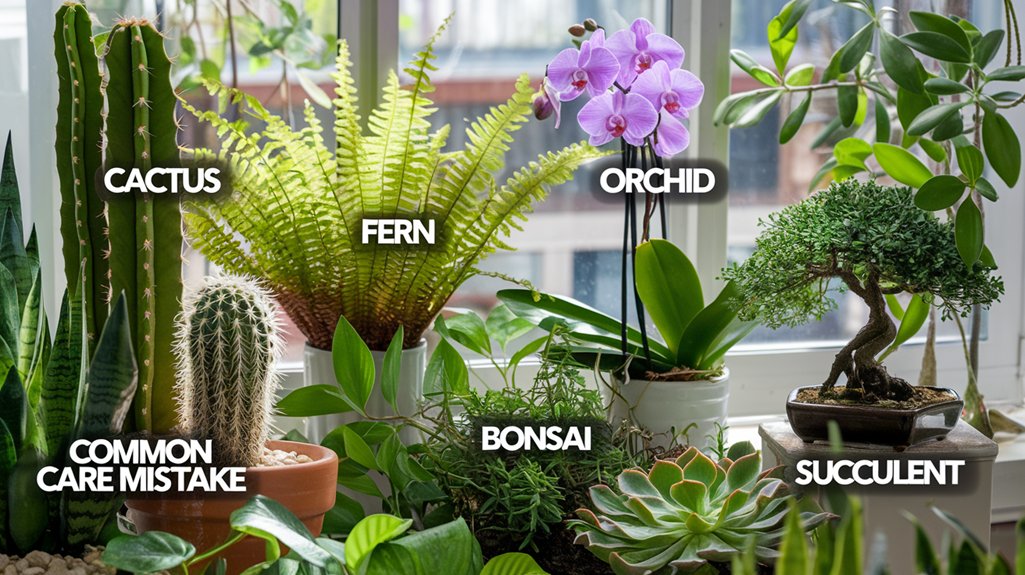

To choose air-purifying plants, assess space dimensions, as one plant per 100 square feet is ideal. Consider low-maintenance varieties like Snake Plant or Peace Lily, especially if pets are around. Most plants thrive in bright, indirect light, and proper watering prevents root rot; let soil dry slightly before watering. Place plants in high humidity spots like kitchens. Discover how these green allies can enhance air quality, mental well-being, and create a serene indoor ambiance.
Choosing the Right Air-Purifying Plants for Your Space
How do you choose the right air-purifying plants for your space? Start by evaluating your indoor space’s dimensions; ideally, have one plant per 100 square feet to effectively combat indoor air pollutants.
Opt for low-maintenance varieties like the Snake Plant, which excels in removing toxins such as formaldehyde and benzene, or the Peace Lily, which thrives in low-light conditions.
Remember, pet safety is essential; some plants, including the Peace Lily, can be toxic, so verify toxicity levels if you have pets.
Incorporate multiple air-purifying plants to enhance air quality further. Each plant contributes uniquely to reducing pollutants, making a collective impact significant.
Understanding Light Requirements for Air-Purifying Plants
Curiously, have you considered how essential light is for your air-purifying plants? Light is vital for photosynthesis, the process where indoor plants convert carbon dioxide into oxygen, enhancing air quality.
Here’s what you need to know about their light requirements:
- Bright, Indirect Light: Most air-purifying plants thrive in bright spots with indirect light, which prevents leaf scorching. This setup mimics their natural habitat.
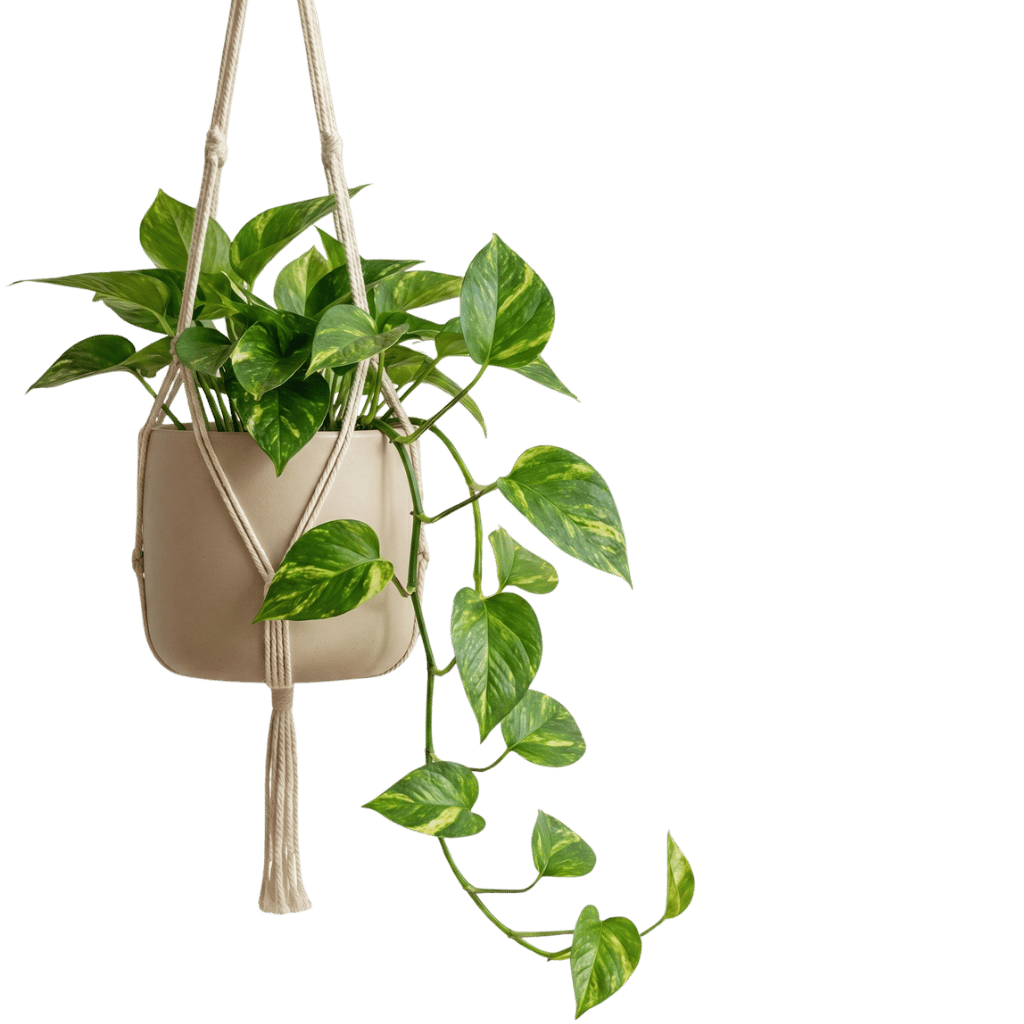
- Low Light Adaptability: While some plants, like the snake plant and pothos, tolerate low light, they still benefit from brighter conditions. They’re perfect for dimmer rooms but may grow slower.
- Signs of Light Deficiency: Pale, leggy leaves indicate insufficient light. Consider relocating your plant to a brighter area to maintain its health and air-purifying efficiency.
Watering Guidelines for Optimal Plant Health
While understanding light requirements is key to thriving air-purifying plants, mastering the art of watering is equally important for ideal plant health.
Balance is essential to avoid root rot; most air-purifying plants need their soil to dry slightly before the next watering. For species like the Peace Lily, maintain consistent moisture as they flourish in humidity.
Thorough watering is necessary—let water drain to achieve deep root hydration without overwatering. To gauge need, check the top inch of soil; if dry, proceed with watering. In contrast, moist soil suggests holding off to prevent overwatering.
Light misting with distilled water can boost humidity, benefiting moisture-loving plants. This meticulous approach guarantees your air-purifying plants maintain peak health.
Safe Air-Purifying Plants for Homes With Pets
When selecting air-purifying plants for a home with pets, it’s crucial to prioritize non-toxic options that guarantee the safety of your furry companions.
Enhance indoor air quality with these safe air-purifying plants:
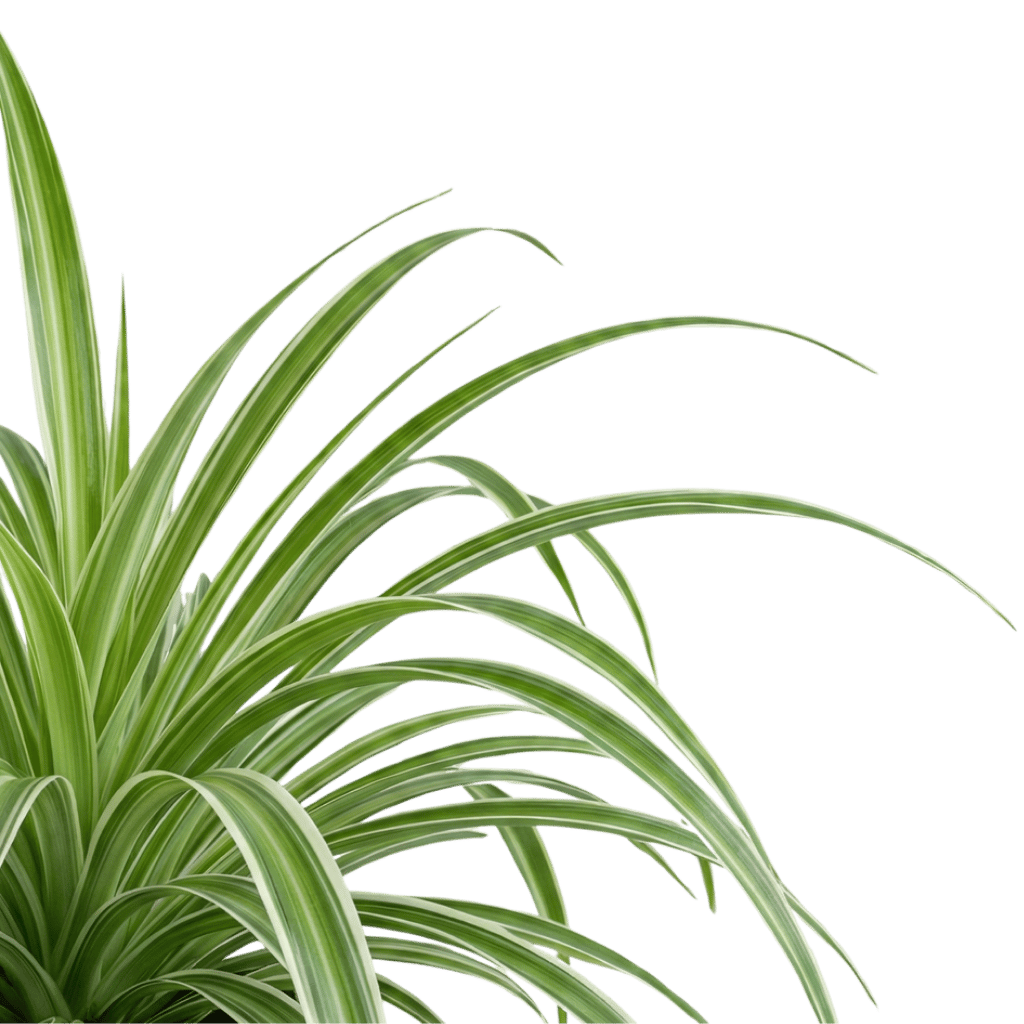
- Spider Plants (Chlorophytum comosum): These are pet-friendly and effective at removing carbon monoxide and formaldehyde, ensuring a healthier indoor environment.
- Boston Ferns (Nephrolepis exaltata Bostoniensis): Known for filtering pollutants and adding humidity to the air, these non-toxic ferns create an ideal habitat for pets.
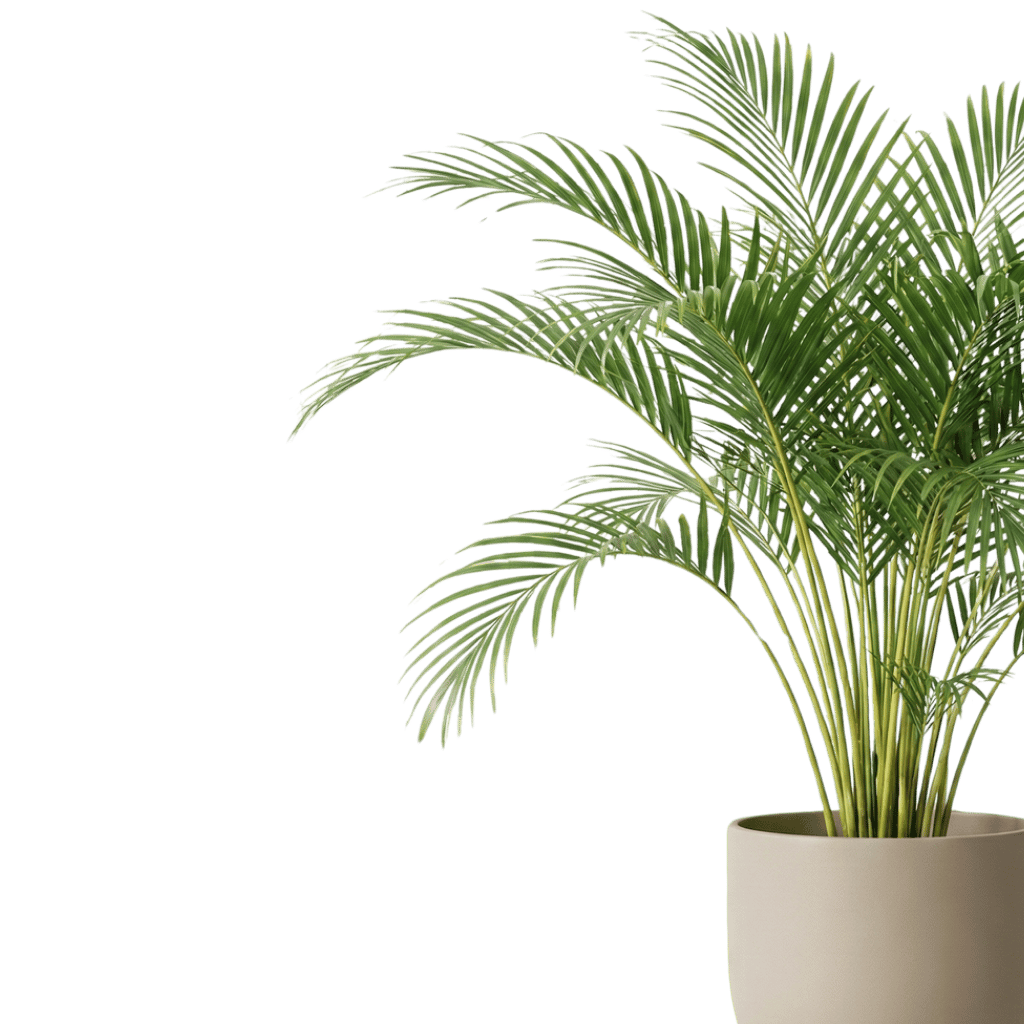
- Areca Palms (Chrysalidocarpus lutescens): These palms excel in air purification by removing toxins like formaldehyde and benzene, all while being safe for pets.
Best Locations for Air-Purifying Plants
Do you know where to place air-purifying plants for maximum effectiveness? The best locations for air-purifying plants involve areas with bright, indirect light, such as near windows with filtered sunlight. This promotes growth and enhances air-cleaning properties.
Kitchens and bathrooms, with their naturally higher humidity levels, are ideal for species like the Peace Lily. Avoid drafty spots or direct sunlight, which can stress the plants.
Grouping multiple plants creates a microenvironment that boosts humidity and air quality, perfect for living room corners or home offices.
For best air purification, position plants in common indoor environments where you spend the most time, like bedrooms or workspaces. This strategic placement enhances your health and well-being through improved air quality and proper ventilation.
Fertilization Needs of Air-Purifying Plants
Positioning your air-purifying plants strategically is only part of the equation for maximizing their effectiveness. Understanding fertilization needs is essential for guaranteeing peak growth.
During the growing season, integrate organic fertilizers to maintain appropriate nutrient levels. Here’s a concise guide for fertilizing:
- Frequency: Apply a diluted (half-strength) fertilizer solution every 4-6 weeks. This minimal care approach prevents over-fertilizing, which can lead to damaging salt buildup in the soil.
- Plant Specificity: Some air-purifying plants, like Snake Plants and Pothos, are resilient and can thrive without frequent fertilization—ideal for beginner gardeners.
- Customization: Always research the specific nutrient requirements of your plants to tailor the fertilization schedule. This guarantees air-purifying plants remain healthy and effective, maximizing their environmental benefits.
Identifying and Managing Pests on Indoor Plants
While maintaining indoor plants, vigilance is essential to identifying and managing pests that could compromise their health. Regularly inspect your plants for signs of pests like webbing, discolored foliage, or tiny insects. Common culprits include spider mites, aphids, and mealybugs.
Effective management involves using eco-friendly solutions such as insecticidal soap and neem oil, which eradicate pests without harming your plants or the environment. To prevent pest infestations, make certain your plants are healthy by optimizing watering, humidity, and light conditions.
Additionally, dusting leaves with a damp cloth enhances plant appearance and removes pests and eggs, reducing infestation risks. By maintaining these practices, you’ll promote resilience and safeguard your indoor plants from potential pest threats.
Effective Pruning Techniques for Growth and Health
Addressing pest issues on indoor plants often leads to exploring other important maintenance practices, such as effective pruning techniques, which greatly contribute to a plant’s health and growth.
Regular pruning of your air-purifying plants is essential for encouraging robust growth and maintaining plant health. Use clean, sharp pruning shears to minimize damage and prevent disease spread.
Follow these expert guidelines:
- Timing: Prune during the growing season (spring and summer) for ideal recovery and growth stimulation.
- Technique: Remove about one-third of the plant to avoid stress and enhance adaptation.
- Benefits: Trim crowded or leggy stems to improve light penetration and air circulation, reducing pests and diseases.
A well-pruned plant enjoys improved vigor, contributing to a healthier indoor environment.
The Role of Humidity in Plant Maintenance
Understanding the role of humidity in plant maintenance is fundamental for guaranteeing the health of your air-purifying plants. High humidity is essential for species like ferns and peace lilies, which depend on moisture balance for liveliness.
Through transpiration, plants release water vapor, enhancing the indoor environment’s humidity. Ideally, maintain humidity levels between 40-60% to prevent stress and support ideal growth.
In dry seasons or arid indoor conditions, a humidifier can boost humidity levels effectively. Grouping plants together also increases ambient moisture. Regular misting with distilled water is beneficial, especially for plants that flourish in moist atmospheres.
Such practices guarantee your air-purifying plants remain hydrated and thrive, contributing to a healthier and more comfortable living space.
Benefits of Air-Purifying Plants Beyond Air Quality
Beyond their ability to filter air pollutants, air-purifying plants offer a multitude of benefits that enrich indoor environments.
These plants not only contribute to improving indoor air quality but also enhance the aesthetics of your space, fostering a healthy indoor environment. Engaging with air-purifying indoor plants can considerably reduce stress levels and promote emotional well-being, creating a calming atmosphere.
- Humidity Regulation: Through transpiration, these plants elevate humidity levels, which can mitigate dry skin and respiratory issues, ensuring a healthier living space.
- Cognitive Enhancement: Natural elements in your surroundings are linked to enhanced focus and creativity, facilitating better problem-solving abilities.
- Connection to Nature: Caring for plants cultivates a rewarding hobby, providing a profound connection to nature, thereby supporting mental health and offering a sense of accomplishment.
Conclusion
Incorporating air-purifying plants into your space not only enhances aesthetics but also elevates indoor air quality. By understanding each plant’s light and water needs, and ensuring they’re safe for pets, you optimize their health and effectiveness. Place them strategically for maximum impact and stay vigilant against pests with regular inspections. Master pruning techniques and maintain ideal humidity levels for robust growth. Beyond air purification, these plants offer therapeutic benefits, transforming your environment into a serene oasis.