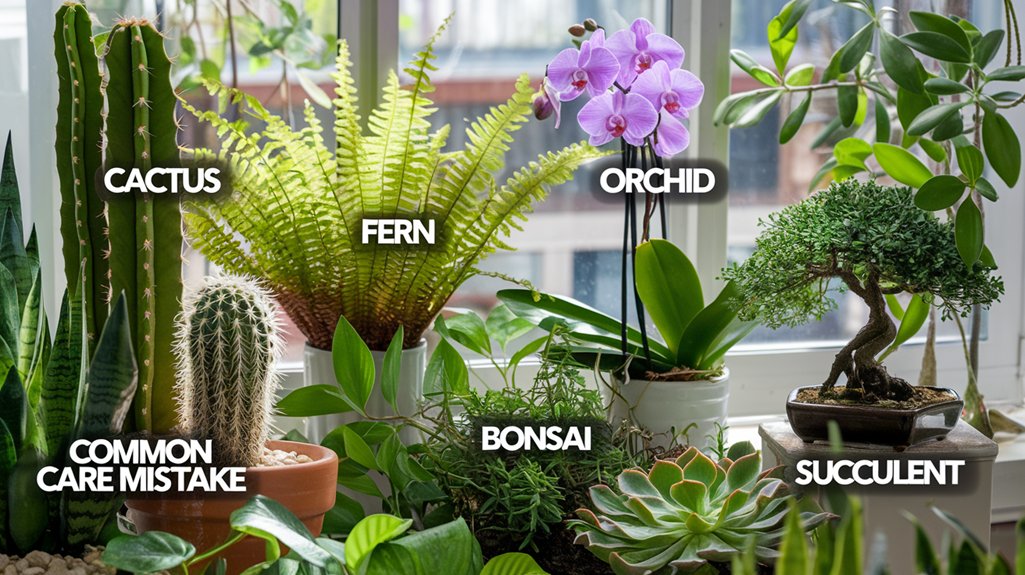

Avoid common pitfalls when caring for air-purifying plants by managing their watering needs; allow the top inch of soil to dry before rehydrating to prevent root rot. Maintain a stable environment to reduce stress, and guarantee you’re meeting each plant’s specific lighting requirements. Regularly prune to enhance growth and check for pests. Proper soil and drainage are essential, adjusting watering seasonally. The right techniques will keep your plants healthy and thriving—there’s more to learn.
Understanding Watering Needs
When managing air-purifying plants, understanding their specific watering needs is crucial to guaranteeing their health and vigor.
Overwatering is a common mistake that can lead to yellow leaves and compromised air quality due to root rot. To prevent these issues, check the soil moisture regularly. Allow the top inch to dry before watering, as plants need light and well-drained conditions for peak health.
Excess moisture can suffocate the root system, so provide proper care by using pots with drainage holes. Adjust your watering schedule seasonally, as reduced light in winter means less water is necessary.
Tailor your approach to each plant type, as tropical varieties need more consistent moisture compared to succulents. This precision enhances plant robustness and air quality.
The Importance of Consistent Placement
The placement of air-purifying plants considerably influences their health and efficiency. Consistent placement is vital, as frequent relocation stresses plants, triggering health issues.
Air-purifying plants thrive in stable environments, and abrupt changes in light conditions—such as moving from low to bright light—can shock them, causing leggy growth or yellowing leaves. Each species has specific needs for sunlight, humidity, and temperature, necessitating a carefully chosen, consistent location.
Once you find an ideal spot, keep your plants there to allow them to acclimate and flourish. A stable environment facilitates effective monitoring, making it easier to detect early signs of distress, like discoloration or wilting.
Regular Pruning for Growth
Pruning is more than just a cosmetic procedure; it’s essential for maintaining the energy of air-purifying plants. Regular pruning not only enhances visual appeal but also guarantees healthier growth by facilitating air circulation and preventing pest infestations. Using clean tools minimizes plant damage and disease spread. Different plant types have specific pruning timing needs:
| Plant Type | Pruning Timing |
|---|---|
| Peace Lily | Year-round |
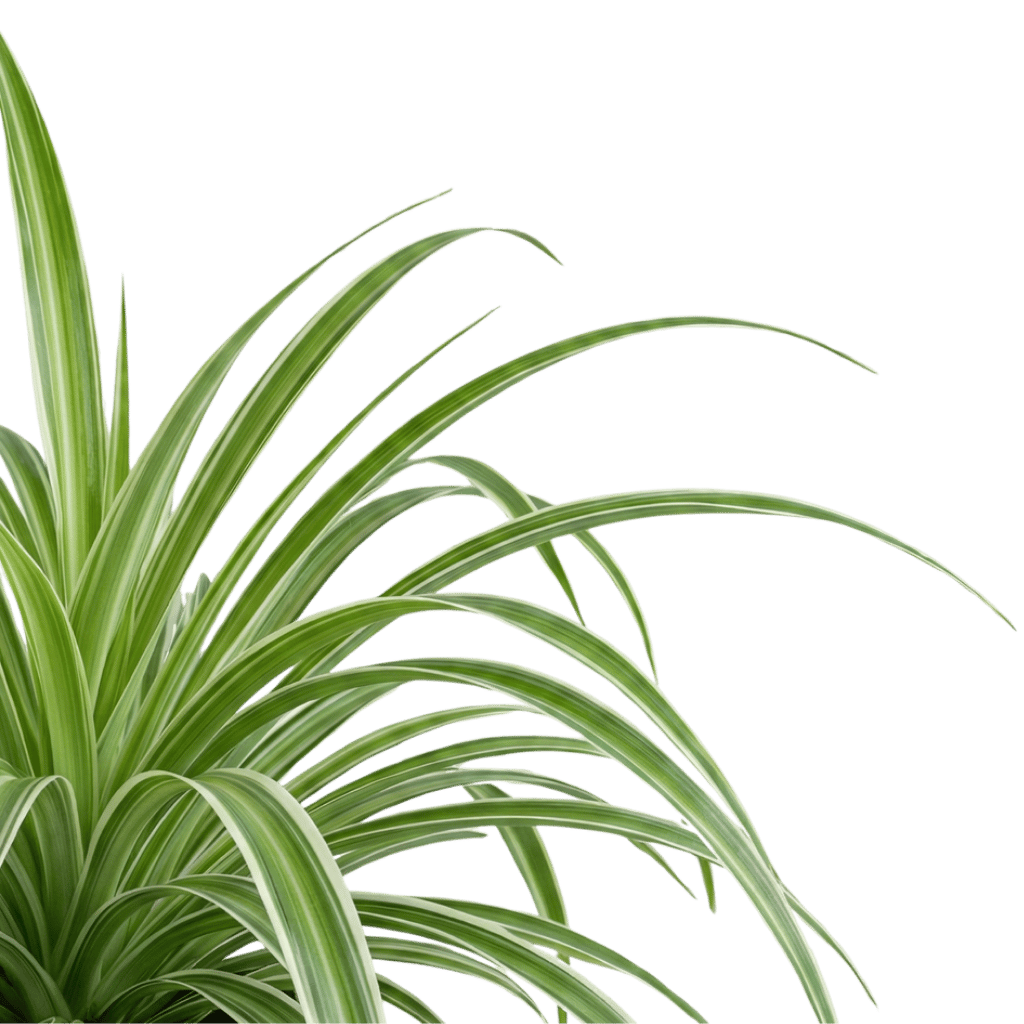
| Spider Plant | Year-round |
| Gerbera Daisies | Spring, post-flowering |
| Boston Fern | Early spring |
Timing and technique matter. Prune dead or yellowing leaves to stimulate new growth, ultimately boosting air-filtering efficiency. Regular attention keeps your plants thriving, contributing to a healthier indoor environment. Embrace pruning as a fundamental practice for your air-purifying plants’ success.
Monitoring Plant Health
Guaranteeing ideal plant health requires vigilant monitoring, allowing you to catch potential issues before they escalate.
Begin by inspecting leaves for color changes. Yellowing or browning may signal nutrient deficiencies, overwatering, or pests.
Roots should be checked for signs of root rot, such as a foul smell or mushy texture, often caused by overwatering or inadequate drainage.
Soil moisture levels demand frequent assessment; both excessive dryness and dampness can compromise plant health.
Observing growth patterns is essential; stunted growth or leggy stems might indicate insufficient light or improper watering.
Regularly examine leaf undersides and stems for pests, as early detection curtails infestations.
Mastering these monitoring techniques guarantees your air-purifying plants remain vibrant and healthy.
Ensuring Proper Lighting
While understanding specific light requirements can make all the difference in maintaining healthy air-purifying plants, it’s crucial to recognize the distinct needs of each species.
For instance, snake plants thrive in low light, whereas aloe vera prefers bright, direct sunlight. Signs of insufficient light, such as leggy growth or yellowing leaves, suggest repositioning your indoor plants to areas with proper lighting.
Most benefit from bright, indirect light, easily achieved by placing them near windows with filtered sunlight. In low-light settings, grow lights can supplement natural light to guarantee plants get enough illumination.
Regularly rotating your plants helps prevent uneven growth, promoting balanced exposure on all sides.
- Snake plants: low light
- Aloe vera: bright light
- Leggy growth: reposition plants
- Use grow lights for low light
- Rotate for even exposure
Choosing the Right Soil and Pot
When choosing the right soil and pot for your air-purifying plants, understanding the specific needs of each plant species is essential.
Air-purifying plants, like succulents, demand well-draining soil, while tropical varieties prefer peat-based blends for ideal moisture retention. Avoid using standard potting soil indiscriminately, as it may lack the necessary drainage for certain plants. Instead, utilize specialized mixes containing bark chips or perlite for orchids and cacti.
Always select pots with drainage holes to avert root rot by preventing waterlogging. When repotting, choose a pot size just 1-2 inches larger than the current container to balance moisture retention and root expansion.
Repot every 1-3 years or when roots emerge from drainage holes, rejuvenating the soil and promoting healthy growth.
Conclusion
You’ve now got the tools to maintain healthy air-purifying plants. Prioritize understanding their watering needs and guarantee consistent placement for ideal growth. Regular pruning encourages healthy development, while monitoring plant health helps catch issues early. Ascertain they receive adequate lighting and choose the right soil and pot for their specific needs. By addressing these key areas, you’ll create an environment where your plants thrive, effectively purifying your air and enhancing your indoor space.