

Transform your home into a mesmerizing sanctuary with Schlumbergera, a striking Christmas cactus, and Chlorophytum comosum, the air-purifying spider plant. Mimosa pudica offers educational intrigue with its leaf-folding response to touch, while Maranta leuconeura amazes with nightly leaf prayers. Haworthia, with its rosette allure, decorates spaces effortlessly. These non-toxic plants guarantee safety for pets and kids, inviting curiosity and interaction. Explore further to uncover the enchanting details of these household treasures.
The Enchanting Christmas Cactus
While you’re preparing your home for the holiday season, consider incorporating the Christmas Cactus, an enchanting addition due to its vibrant and colorful blooms.
This plant, scientifically known as Schlumbergera, offers an ideal solution for households with children and pets, being both non-toxic and safe. Its unique leaf segments, characterized by their flattened, jointed appearance, contribute to its intriguing morphology.
This feature, coupled with its vibrant blooms, can captivate the curious minds of young ones, rendering it an engaging choice for indoor plants.
Best care involves maintaining well-drained soil, with irrigation based on the tactile assessment of the top half-inch soil moisture.
Reduced watering 6-8 weeks prior to the flowering period encourages the profuse blooming that enhances your festive décor.
The Playful Spider Plant
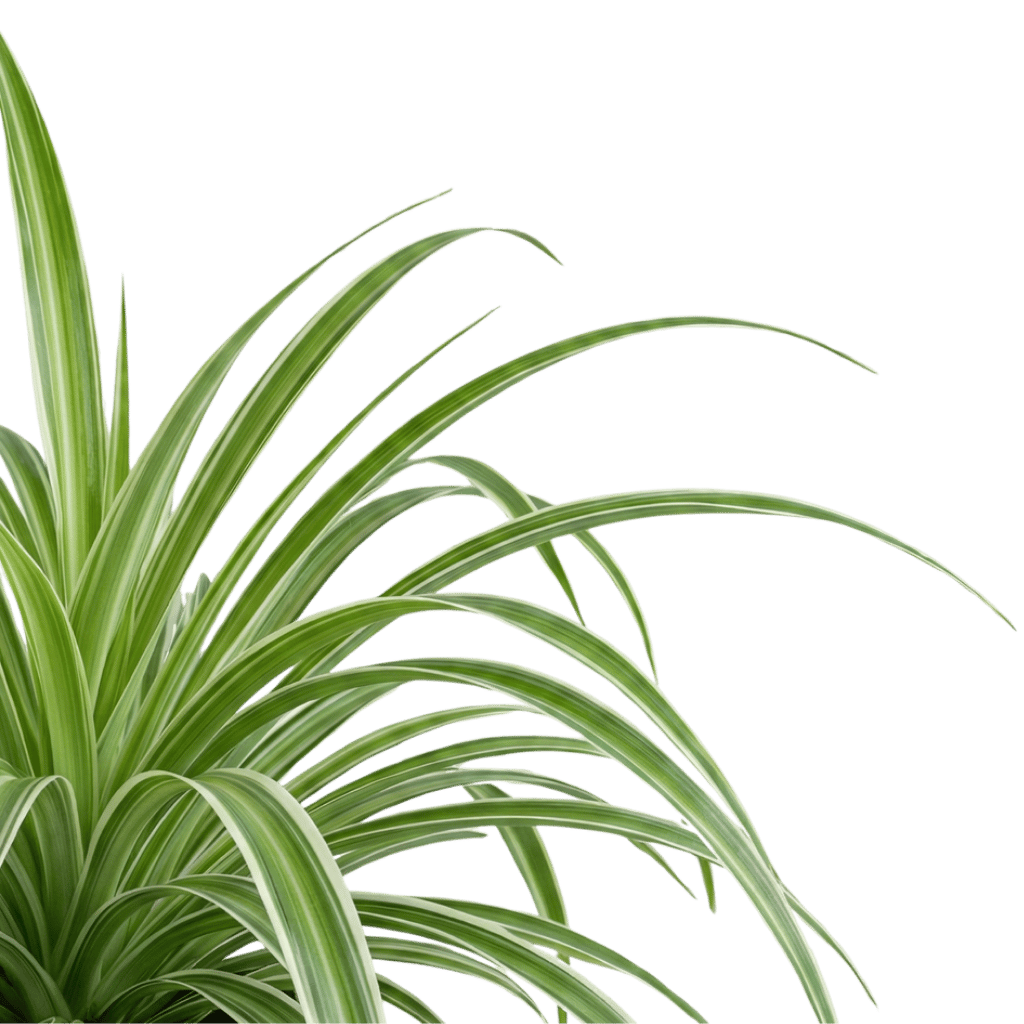
As you explore options for pet-safe and kid-friendly plants, consider the Spider Plant, or Chlorophytum comosum, a robust indoor plant that thrives in indirect sunlight.
This non-toxic species is perfect for households with curious pets and kids, as its strappy leaves pose no threat when chewed. The Spider Plant enhances indoor air quality with its air-purifying properties, efficiently removing pollutants.
Its ability to produce “pups,” or baby plants, allows for engaging propagation projects, sparking children’s curiosity. This dynamic plant experience is further enriched by the Spider Plant’s cascading growth habit, which may captivate both kids and pets.
The Sensitive Touch of the Sensitive Plant
The Sensitive Plant, Mimosa pudica, captivates with its rapid leaf-folding reaction to touch, a phenomenon that intrigues both children and pet owners. As a non-toxic plant, it guarantees safe interaction for curious pet owners and kids, fostering an educational exploration of plant behavior.
Its unique foliage thrives in indoor gardening settings, requiring consistent moisture and a warm environment with indirect sunlight. Regular watering is essential to maintain its delicate structure, making sure the soil remains moist but not soggy.
This rapid movement in response to stimuli makes it an engaging educational tool, sparking curiosity about plant sensitivity and environmental interactions. By observing this intriguing plant, kids can learn about the intricate biological mechanisms behind its fascinating, touch-responsive behavior.
The Mystical Prayer Plant
Renowned for its nightly leaf-folding ritual, the Prayer Plant (Maranta leuconeura) offers an enchanting study in plant physiology and adaptive behavior.
This pet-safe plant, thriving in low light and high humidity, is perfect for homes with kids and pets. The plant’s vibrant colors and intricate leaf patterns ignite curiosity, making it a compelling educational tool for young minds.
Engaging children in plant care through regular misting challenges them to understand humidity requirements and responsibility. The non-toxic nature guarantees safe interaction, allowing exploration and learning about botany without risk.
- Adaptive Behavior: Foliage folds at night, resembling hands in prayer.
- Habitat: Prefers low light, high humidity environments.
- Plant Care: Requires regular misting to maintain humidity.
- Non-Toxic: Safe for kids and pets.
- Educational Tool: Sparks curiosity and responsibility.
The Decorative Haworthia Pearl Plant
Look to the Haworthia Pearl Plant when seeking a resilient and aesthetically pleasing addition to your indoor garden. This succulent, a hallmark of pet-safe plants, exhibits a distinctive rosette shape with fleshy leaves adorned by white bands and dots, amplifying its decorative appeal.
Thriving in bright indirect light, it’s perfectly suited to indoor environments. As a low-maintenance plant, it demands minimal watering, necessitating well-drained soil that dries an inch or two between sessions, ideal for busy lifestyles.
Non-toxic to curious children and pets, it provides peace of mind for households. Its compact size allows easy placement on shelves or desks, enhancing decor and sparking curiosity among young enthusiasts through its unique morphology and adaptability.
Conclusion
As you integrate these flora into your household, you’ll cultivate an environment that fosters both curiosity and safety. The Christmas Cactus (Schlumbergera) intrigues with its seasonal blooms, while the Chlorophytum comosum, known as the Spider Plant, offers dynamic air purification. Mimosa pudica, or the Sensitive Plant, provides tactile interaction. The Maranta leuconeura, or Prayer Plant, exhibits nyctinasty, and the Haworthia pearl plant, Haworthia margaritifera, enhances decor with its succulent resilience. Each plant enriches your home scientifically and aesthetically.