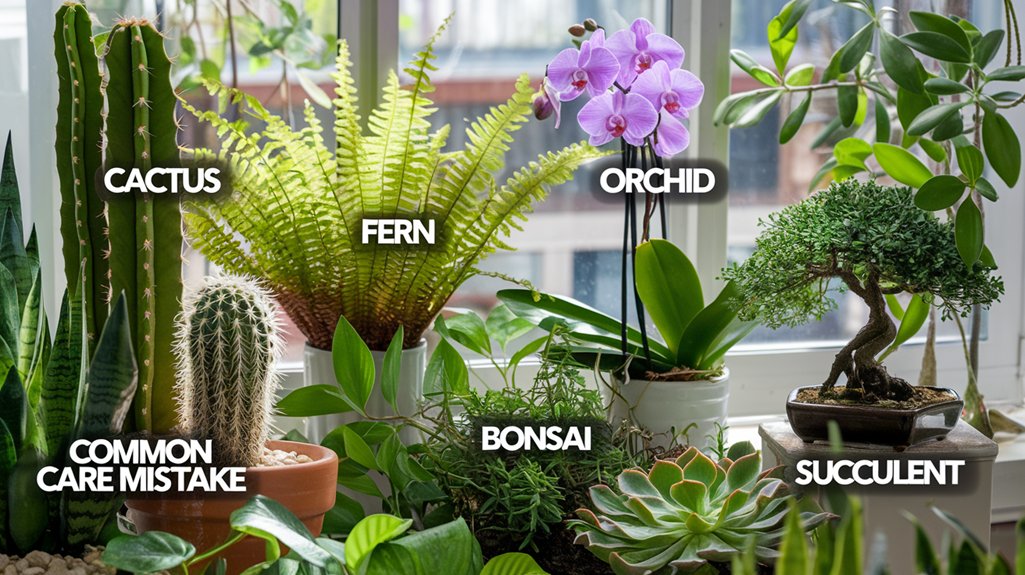


Plants have limited efficacy in purifying indoor air based on empirical data. The 1989 NASA study demonstrated houseplants’ pollutant removal in controlled settings, but real-world environments differ greatly. Due to continuous pollutant emissions and air exchanges, natural ventilation and modern air purification systems, like those with HEPA filters, are more effective. Houseplants have negligible impact on indoor air quality. Nonetheless, their psychological benefits include mood enhancement and stress relief, offering another dimension to reflect upon for potential exploration.
Examining the NASA Study on Air-Cleaning Plants
When examining the NASA study on air-cleaning plants, it’s crucial to understand that the research conducted in 1989 demonstrated the ability of certain houseplants to remove specific air pollutants in highly controlled, sealed environments.
The study highlighted that plants can remove volatile organic compounds (VOCs) from indoor air, suggesting potential applications for space stations.
However, translating these findings to real-world environments is challenging. In typical indoor environments, factors like air exchange rates and persistent VOC sources complicate the efficacy of plants as air purifiers.
Natural ventilation systems have proven more effective in enhancing indoor air quality.
Despite these limitations, ongoing research continues to explore the role of plants in air purifying, aiming to bridge the gap between controlled studies and practical applications.
The Real Impact of Houseplants on Indoor Air Quality
Some may believe that houseplants greatly enhance indoor air quality, but empirical evidence suggests otherwise. Research indicates that plants’ capacity to clean indoor air pollutants, including volatile organic compounds (VOCs), is limited.
In real-world conditions, houseplants purify air inefficiently compared to natural ventilation, which achieves higher air exchange rates. Indeed, studies highlight that even with numerous plants, the reduction in air pollution is negligible compared to mechanical air purifiers.
While the NASA study suggested potential benefits in sealed environments, such conditions don’t reflect typical indoor settings.
Nonetheless, the psychological benefits of houseplants shouldn’t be dismissed; they contribute positively to mental health and well-being. Consequently, while aesthetically pleasing, houseplants primarily offer psychological rather than substantial air quality improvements.
Limitations and Misinterpretations of Previous Research
Despite widespread belief in the air-purifying power of plants, the limitations and misinterpretations of previous research need careful examination.
The 1989 NASA study demonstrated that plants can remove harmful volatile organic compounds (VOCs) in a limited environment or chamber. However, these findings don’t translate well into real-world settings.
You see, indoor spaces have continuous VOC emissions and heightened air exchange rates. A Drexel University review indicated you’d need 10–100 plants per square meter for meaningful air purification indoors, which is impractical.
Additionally, studies often used controlled environments, not reflecting real-life conditions where natural ventilation impacts air quality. Clean Air Delivery Rate (CADR) calculations show plants’ VOC removal is slower than natural building air exchange, necessitating further research.
Comparing Houseplants to Modern Air Purification Methods
Exploring the practicality of houseplants in air purification reveals significant limitations compared to modern technologies. Studies show that to match air purifiers, you’d need 100 to 1,000 plants per square meter, making it impractical for typical homes.
Air purifiers, particularly those with HEPA filters, outperform houseplants in removing particles and VOCs, enhancing indoor air quality. With regard to Clean Air Delivery Rate (CADR), air purifiers achieve superior results, effectively improving air purity compared to houseplants.
Here’s how houseplants compare to modern air purification methods:
- Efficiency: Air purifiers remove pollutants more effectively.
- Volume: Large numbers of plants are required for significant impact.
- Rate: Ventilation systems dissipate VOCs faster than plants.
- Results: Studies show modern systems outperform plants in real-world environments.
Psychological and Aesthetic Benefits of Houseplants
While houseplants may not rival air purifiers in cleaning the air, they offer substantial psychological and aesthetic benefits that contribute to mental well-being.
Empirical evidence indicates that indoor plants enhance mood, creativity, and productivity, especially beneficial for mental health during winter when seasonal affective disorder is prevalent.
The WELL Building Standard suggests covering 1% of indoor surfaces with plants to maximize psychological benefits and well-being.
A 2022 study demonstrated that houseplants could lower blood pressure and improve cognitive function, enhancing mental wellness.
The aesthetic appeal of indoor plants creates inviting spaces, positively influencing mood and comfort.
Additionally, caring for plants fosters a connection with nature, promoting stress relief and a calming environment, reinforcing their integral role in indoor spaces.
Conclusion
You’ve explored the science behind plants and air purification, uncovering that while NASA’s study showed some potential, its real-world applications are limited. Houseplants have minimal impact compared to modern air purifiers due to scale and practical constraints. Despite exaggerated claims, they offer undeniable psychological and aesthetic benefits, enhancing well-being. So, while plants aren’t the air-cleaning powerhouses once thought, they still contribute positively to your environment in ways beyond just purifying air.