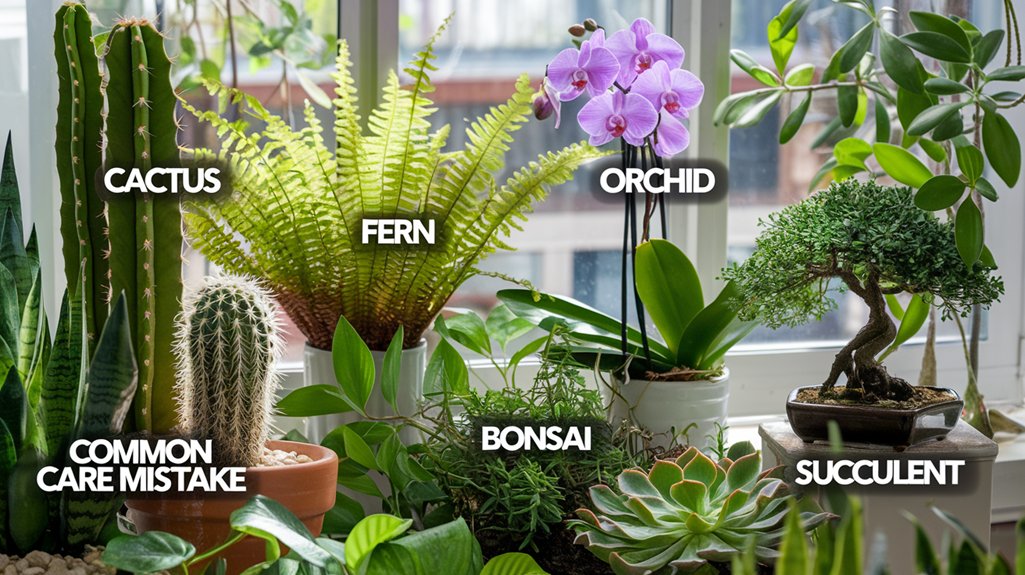



For allergy and asthma-friendly air purification, choose low-pollen houseplants like Snake Plants, ZZ Plants, Pothos, and Chinese Evergreens. These plants effectively absorb pollutants and trap dust on their broad leaves while releasing minimal allergens. Incorporate female or insect-pollinated varieties to further reduce indoor airborne pollen. Guarantee proper care by dusting leaves regularly and avoiding overwatering to optimize their air-purifying properties. Continue to explore and discover how the right choices can improve indoor air quality considerably.
Understanding the Impact of Indoor Plants on Air Quality
When you introduce indoor plants into your living space, you’re not just adding greenery; you’re enhancing your air quality in measurable ways.
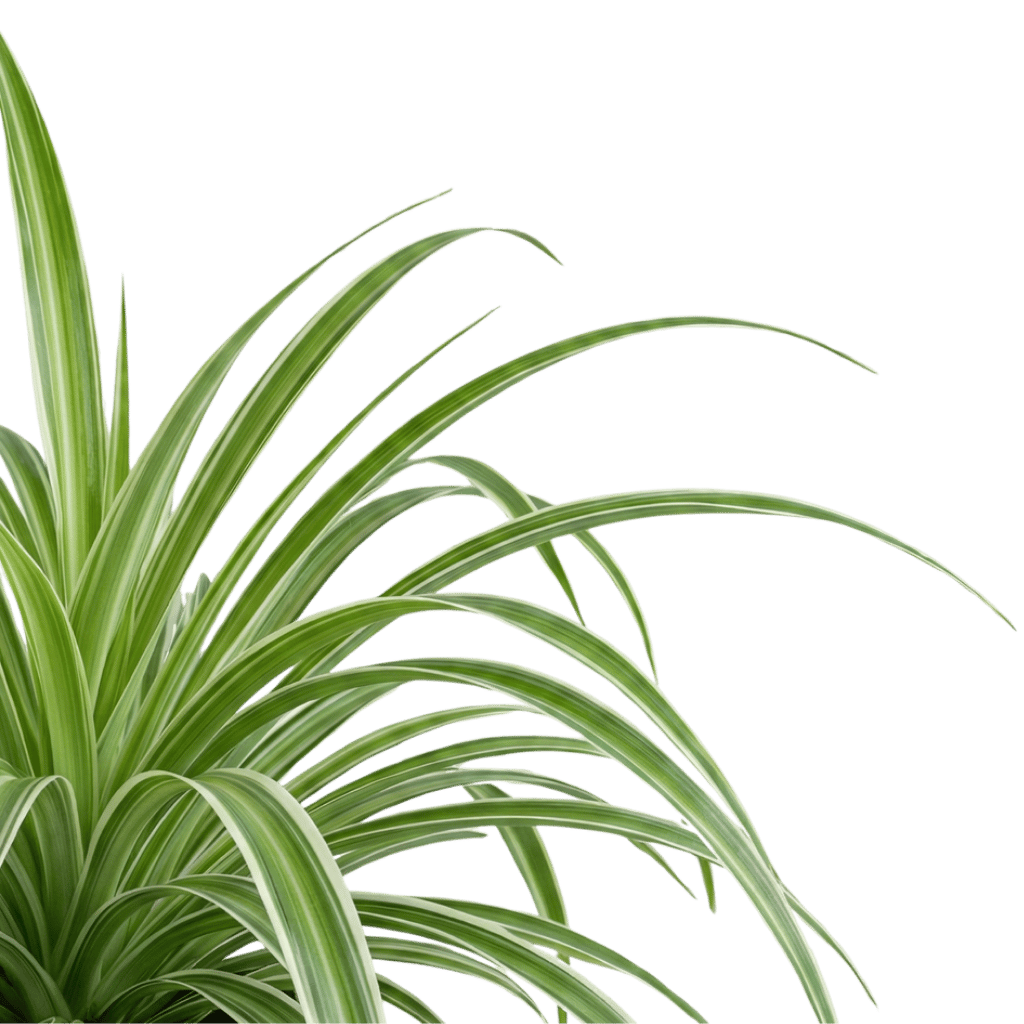
These plants absorb harmful pollutants and release oxygen, directly benefiting those with asthma and allergies. NASA’s Clean Air Study highlights plants like the Peace Lily and Spider Plant, which effectively neutralize toxins such as formaldehyde, benzene, and carbon monoxide.
By reducing airborne pollutants, indoor plants can alleviate asthma and allergy symptoms. Their leaves trap allergens like dust and mold spores, contributing to a healthier environment.
However, it’s essential to choose low-pollen varieties to prevent exacerbating allergies.
The Role of Plants in Allergies and Asthma Management
Indoor plants aren’t just decorative; they play a significant role in managing allergies and asthma. By absorbing harmful pollutants and releasing oxygen, plants help improve indoor air quality.
Allergy sufferers can benefit from plants like the Snake Plant and ZZ Plant, which release low pollen and purify the air. Research highlights that Pothos and Philodendron are effective at removing indoor air pollutants without adding allergens.
Proper care, such as avoiding overwatering and dusting leaves, enhances their air-filtering abilities, reducing asthma triggers. Opting for female or low-pollen varieties further minimizes allergens indoors, creating a safer environment for those with allergies and asthma.
These plants not only beautify your space but also support your respiratory health.
Identifying Allergen-Reducing Houseplants
While selecting houseplants for allergy management, you’ll find that choosing the right varieties can greatly enhance indoor air quality.
Snake Plants and ZZ Plants are superb for allergy-sensitive individuals as they emit minimal pollen and capture dust and allergens on their leaves.
Pothos and Philodendron are low-maintenance options that effectively remove air pollutants without triggering allergies.
The Peace Lily excels at purifying air but should be watched for potential pollen production.
Dracaena, especially the Janet Craig variety, filters allergens well and thrives in low-light conditions, making it versatile for indoor settings.
Consider the Chinese Evergreen too; its broad leaves trap dust, improving air quality and reducing allergy risks.
Each plant offers unique benefits for a healthier home environment.
Benefits of Female and Insect-Pollinated Plants
Although many factors contribute to indoor air quality, choosing female and insect-pollinated plants can greatly help reduce allergens in your home environment.
Female plants produce less pollen than male counterparts, making them ideal for minimizing indoor air pollution. This characteristic reduces allergen exposure, essential for those with asthma or allergies.
Insect-pollinated plants also offer benefits, as they rely on insects rather than wind, resulting in less airborne pollen. These plants maintain air quality while providing the added bonus of aesthetic appeal, thanks to their distinct visual traits.
The Importance of Choosing Native Plants
Opting for native plants in your indoor spaces is a strategic choice for enhancing air quality and minimizing allergens.
Native plants are naturally adapted to your local climate, reducing the risk of decay and mold growth that could trigger asthma symptoms. They often have lower pollen production, a key factor in alleviating allergy symptoms for sensitive individuals.
By choosing native plants, you minimize the need for chemical treatments, offering a healthier option for those with allergies and asthma. These plants typically require less maintenance and water, making them convenient for home environments while reducing potential allergens.
Additionally, incorporating native plants supports local biodiversity and creates a natural aesthetic, promoting a healthier and more harmonious living space.
Low-Allergen Plant Varieties to Consider
If you’re looking to enhance indoor air quality without aggravating allergies, selecting low-allergen plant varieties is essential.
Snake plants are a top choice, naturally purifying air and releasing oxygen at night with minimal pollen production, making them perfect for bedrooms.
Philodendrons are low-maintenance plants adept at removing air pollutants without causing airborne allergens, ideal for sensitive environments.
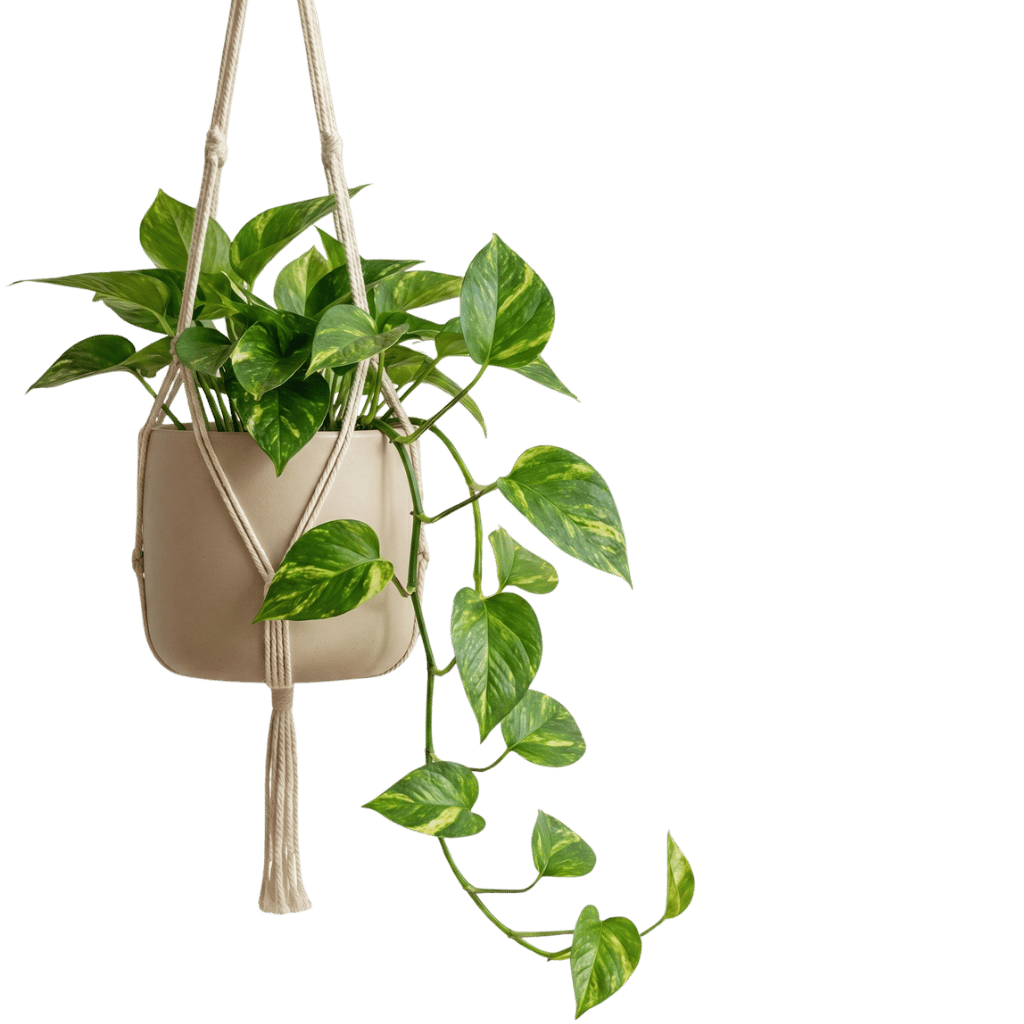
Pothos thrive under various lighting conditions, eliminating toxins while producing little pollen.
ZZ plants feature thick, waxy leaves that repel dust and rarely flower indoors, helping manage allergies effectively.
Finally, Chinese evergreens trap dust particles with their broad leaves, performing well in different light conditions.
These low-allergen plant varieties are excellent for combating indoor air pollution while maintaining a healthy environment.
Tips for Maintaining Healthy Indoor Plants
After selecting low-allergen plant varieties, it’s important to focus on their care to guarantee they thrive and continue purifying your indoor environment. Start by regularly dusting the leaves to prevent allergen buildup, enhancing the plant’s air-purifying efficiency. Proper watering is essential; avoid overwatering to prevent mold, which can exacerbate asthma and allergies. Choose pots with good drainage to avert water accumulation, reducing the risk of mold and pests. Trim dead or yellowing leaves to keep your plants healthy and effective at filtering pollutants. Refresh the soil periodically to supply essential nutrients and prevent decay-related air quality issues.
| Task | Frequency |
|---|---|
| Dust leaves | Weekly |
| Watering | As needed |
| Trim dead leaves | Monthly |
| Refresh soil | Every 6 months |
Avoiding High-Pollen and Allergen-Producing Plants
When selecting plants for your home, it’s crucial to avoid varieties known for high pollen production, as they can worsen asthma and allergy symptoms. High-pollen plants like lilies and chrysanthemums release visible pollen that can be particularly troublesome for people with asthma.
Opt for female plants, which produce less pollen, reducing allergy risks. Additionally, steer clear of plants related to ragweed, such as certain grasses and weeds, known to trigger allergic reactions.
Consider these details to enhance your plant choices:
- Fuzzy-leaved plants like African violets trap dust and allergens, making them unsuitable for sensitive individuals.
- Regular allergy testing helps identify problematic plants, enabling informed decisions.
- Choose plants that purify the air without exacerbating symptoms, promoting a healthier indoor environment.
Enhancing Indoor Environments With Air-Purifying Plants
Although many plants can beautify your home, selecting air-purifying varieties like Snake Plants and ZZ Plants can greatly improve indoor air quality, especially if you suffer from asthma or allergies.
These plants efficiently minimize pollen release, making them ideal for sensitive individuals. Research indicates that Peace Lilies and Spider Plants remove up to 95% of indoor air pollutants, fostering a healthier environment.
The NASA Clean Air Study highlights their ability to neutralize harmful substances like formaldehyde and benzene, which are notorious for aggravating respiratory issues.
By choosing allergy-safe options such as Pothos and Philodendron, you enhance indoor aesthetics and overall air quality without triggering allergic reactions.
Additionally, maintaining a variety of indoor plants helps trap dust and allergens, promoting cleaner air.
Practical Steps for Allergy-Safe Plant Selection
Selecting allergy-safe plants for your home involves understanding the unique qualities that make certain species ideal for improving air quality without triggering allergic reactions.
Start by choosing plants with low pollen production, like Snake Plants, ZZ Plants, and Pothos. These species are renowned for their air-purifying qualities and minimal allergen release.
- Consider compact or tall varieties based on space availability.
- Opt for plants with broad leaves, such as the Chinese Evergreen, to trap dust and allergens.
- Match each plant’s lighting needs with the natural light in your home.
Ensure regular maintenance by dusting leaves and avoiding overwatering, which are essential steps in keeping them healthy and preventing mold growth.
This attention to plant care supports a cleaner, allergy-friendly environment.
Conclusion
Incorporating air-purifying plants into your home can greatly enhance indoor air quality, benefiting asthma and allergy sufferers. Choose female and insect-pollinated plants, as they’re less likely to release pollen. Opt for native species to guarantee adaptability and minimal allergenic potential. Regular maintenance, like dusting leaves and confirming proper watering, will keep plants healthy and effective. By thoughtfully selecting and caring for the right plants, you’ll create a cleaner, more breathable environment that supports your well-being.