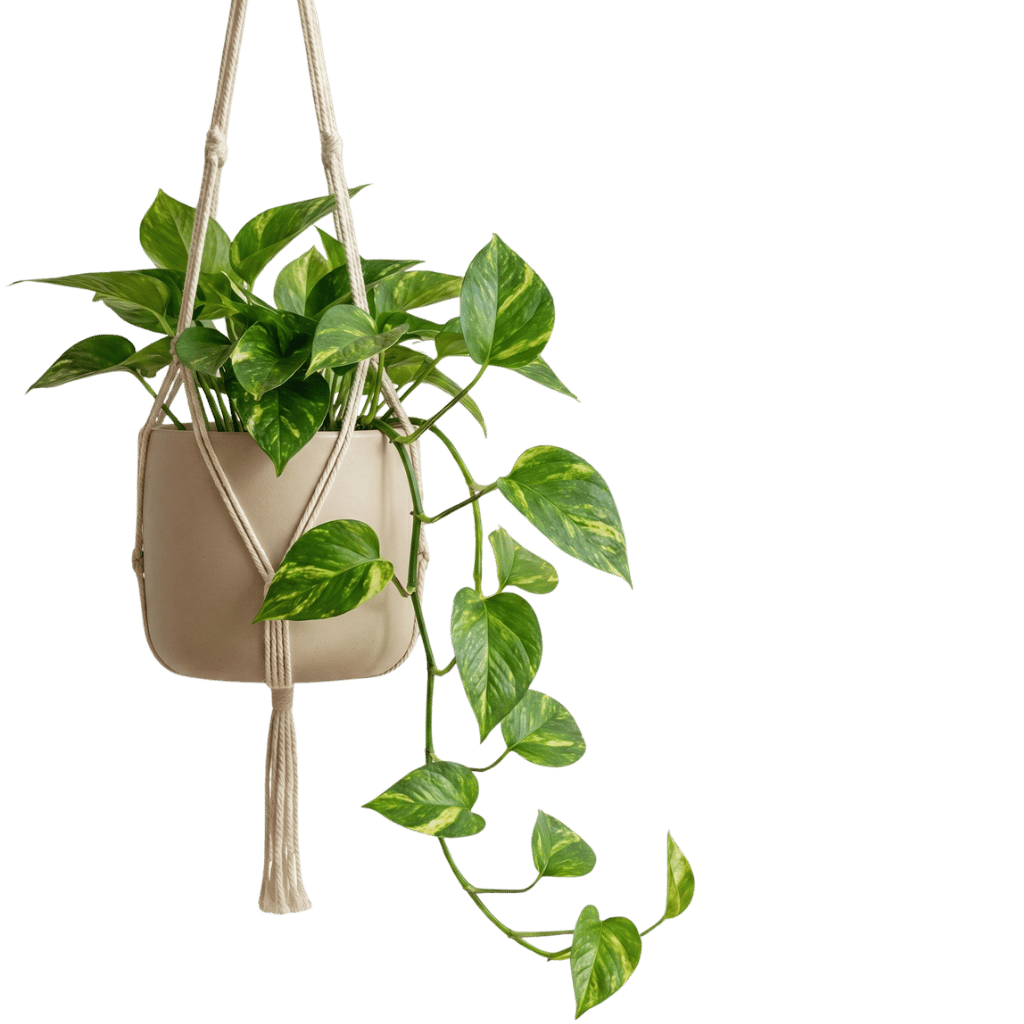



Identify your plant’s needs by observing leaf color and texture: overwatering shows yellow, soft leaves while underwatering results in dry, crisp edges. Evaluate soil: overwatering has soggy soil; underwatering, hard, dry soil. Check plant’s weight: a heavy pot suggests excess water; a light pot, lack of moisture. Conduct a finger test or use a moisture meter for accurate moisture levels. Learn more about distinguishing and addressing these conditions effectively by exploring further insights.
Identifying Signs of Overwatering
If you’re observing your plant and notice yellowing leaves, especially in the younger foliage, it might be a sign of overwatering.
Excess moisture stresses the plant, leading to root rot, where roots become black and mushy, unable to absorb nutrients. Symptoms of overwatering also include wilting leaves that are soft and limp, indicating compromised cellular structure.
Mold growth on the soil surface or pot edges further suggests high moisture levels. A foul smell from the soil is another indicator of root decay.
To confirm, check the soil moisture; persistently damp soil signals an overwatered condition, risking edema, where leaf cells burst.
Recognizing Symptoms of Underwatering
While overwatering presents its own set of challenges, underwatering can equally stress your plants, leading to distinct physiological symptoms.
Recognizing signs of underwatering involves evaluating moisture levels and observing plant behavior. Drooping leaves that feel dry and brittle often indicate water stress due to insufficient hydration. You might notice dry soil with compact soil texture, making it difficult for the roots to access necessary moisture.
Brown edges or crispy leaves suggest dehydration as the plant struggles to retain water. Additionally, slow growth rates and leaf drop reflect the plant’s survival strategy during periods of water scarcity.
- Drooping leaves: Indicative of dehydration and insufficient moisture levels.
- Compact soil: Restricts water penetration, exacerbating water stress.
- Brown edges: A common sign of underwatering stress.
- Crispy leaves: Leaf curl from dehydration.
- Slow growth: Energy conservation during water scarcity.
Differentiating Between Overwatering and Underwatering
Distinguishing between overwatering and underwatering requires careful observation of specific plant symptoms and soil conditions.
Overwatering signs include yellowing leaves with a soft, mushy texture, indicating potential root rot. Conversely, underwatering manifests as dry, brown leaf edges and drooping foliage.
To check for overwatering, examine the soil moisture; soggy soil suggests excess water, whereas compact, hard soil points to underwatering. Employ the finger test for accurate assessment.
Inspect plant weight; a heavy pot indicates overwatering, while a light one suggests insufficient moisture. Additionally, observe leaf coloration: yellow, limp leaves often denote overwatering, while crispy, brown tips indicate underwatering.
Guarantee proper plant care by monitoring roots and drainage holes, vital for preventing both conditions.
Effective Watering Practices for Houseplants
When establishing effective watering practices for houseplants, precise soil moisture assessment is essential.
To avoid overwatering or underwatering, check the soil at least 2 inches deep with your finger or a moisture meter. This helps determine if your indoor plants need to be watered.
Confirm you use well-draining soil and pots with drainage holes to prevent conditions where roots are rotting. Water your plants thoroughly until excess drains from the bottom to confirm all roots receive hydration.
Be mindful of environmental factors such as light, temperature, and humidity, as these affect water needs. Adjust your routine seasonally, since plants require more water in warmer months.
- Check the soil 2 inches deep
- Use a moisture meter
- Confirm well-draining soil
- Monitor environmental factors
- Adjust for seasonal changes
Steps to Remedy Overwatered or Underwatered Plants
After establishing effective watering practices, you may still encounter issues indicating overwatering or underwatering.
Begin by checking the soil moisture. For overwatered plants, if the soil is soggy, repot the plant with fresh, dry soil to enhance aeration and root health. Prune dead or mushy roots and leaves to prevent pests.
Conversely, underwatered plants require you to thoroughly soak the soil until water drains from the bottom, ensuring moisture reaches the roots effectively. Subsequently, adjust your watering schedule; provide water when the top 2 inches of soil feel dry.
Monitor plant responses post-treatment. Recovery from overwatering may take 2-4 weeks, while underwatered plants often improve within hours. Recognize signs of overwatering promptly to maintain plant health.
Conclusion
In diagnosing plant hydration issues, observe specific indicators: yellowing leaves and root rot suggest overwatering, while wilting and dry soil indicate underwatering. Differentiate these by checking soil moisture levels regularly. Implement effective watering practices by using precise measurements and guaranteeing proper drainage. To remedy, adjust watering schedules; for overwatering, allow soil to dry, and for underwatering, increase water frequency. Your detailed attention to these factors guarantees ideal plant health and vigor.