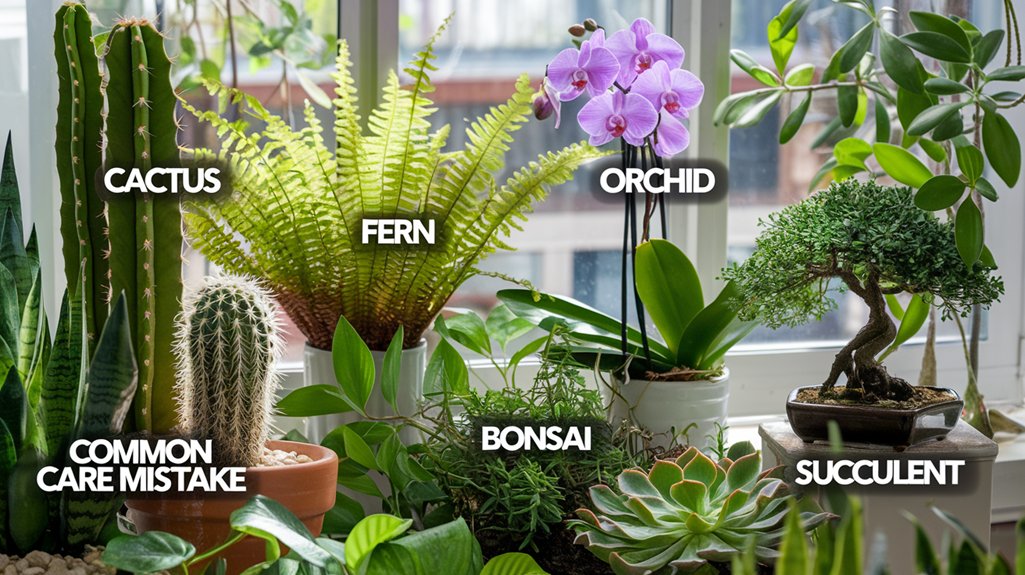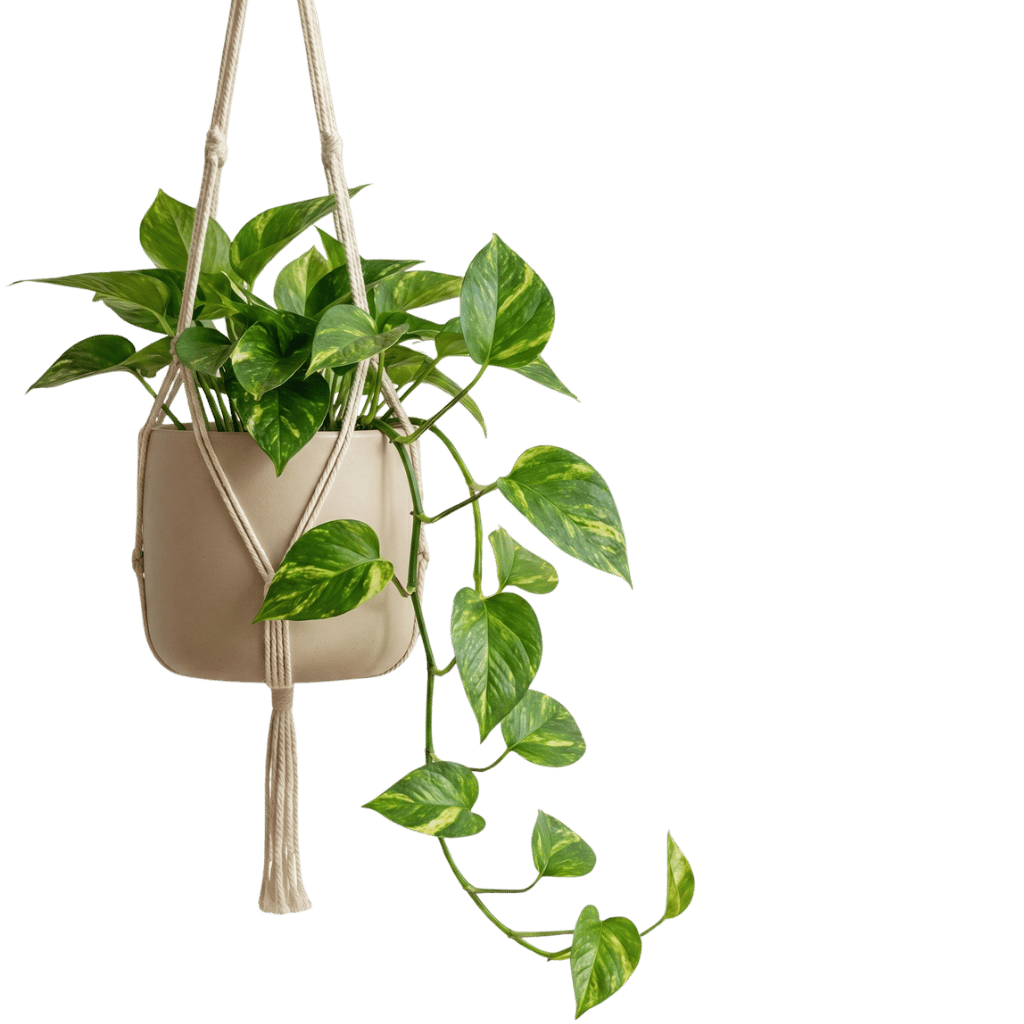



If your plant has yellow or droopy leaves, start by examining soil moisture as over or underwatering might be the cause. Check light conditions; inadequate exposure affects plant health. Look for pests like spider mites or aphids under leaves. Inspect soil and roots, addressing any compaction or rot. Consider nutrient deficiencies with a soil pH test. Balancing water, light, and nutrients could restore vigor. Further guidance will enhance your plant’s care routine.
Identifying Watering Issues
How can you determine if watering is the culprit behind your plant’s yellow or droopy leaves? Start by examining the soil. If it’s wet and muddy, overwatering may be the issue, stressing the roots and causing yellow, soft leaves.
Conversely, dry soil signals underwatering, leading to wilting leaves. Use a moisture meter for precision, or insert your finger to check for dry pockets.
Ascertain drainage holes are clear to prevent waterlogging, which suffocates roots. Lift the pot to gauge moisture—heavy pots may indicate excess water, while light ones suggest dryness.
Water slowly, allowing the soil to absorb evenly, avoiding runoff. Regularly check moisture every 7 to 10 days to establish a suitable watering routine for your plant’s health.
Assessing Light Conditions
When evaluating light conditions for your plants, it is crucial to understand that light intensity and duration considerably impact plant health. Light exposure varies, from bright light in south-facing windows to indirect sunlight in east or west-facing locales. Excessive bright light might cause yellowing leaves, while inadequate exposure leads to slow growth.
| Light Conditions | Ideal Exposure | Effects on Plants |
|---|---|---|
| Bright Light | South/Southwest-facing windows | Potential leaf scorch |
| Indirect Sunlight | East/West-facing windows | Best for most houseplants |
| Low Light | North-facing windows | Slow growth, yellowing leaves |
Successful plant care involves monitoring plant response. Tropical varieties flourish in indirect light, whereas succulents prefer bright conditions. Adjust placement based on leaf color changes and growth patterns to promote healthy development.
Checking for Pest Infestations
Ever wondered why your plant’s leaves are turning yellow or drooping despite proper lighting and watering? Inspect for pests, often the culprits behind these issues.
Begin by examining the undersides of leaves for traces of spider mites, aphids, or mealybugs, as these sap-sucking pests deplete your plant’s health. Look for sticky residue or honeydew, clear signs of aphid or scale insect activity. A magnifying glass is handy for spotting these nearly invisible pests.
Spider mites leave behind webbing or a fine sand-like texture on leaves, further indicating infestation.
Don’t overlook soil inspection—fungus gnats, small black flies, hint at overwatering and poor drainage, contributing to plant stress.
Regular checks help identify and mitigate pest-related problems efficiently.
Evaluating Soil and Root Health
After scrutinizing for pests, it’s vital to shift your focus to the soil and root health, as these are fundamental in determining your plant’s overall condition. Use a soil moisture meter to check if the soil is dry or waterlogged, which can lead to root rot. Healthy roots should be firm and whitish-yellow. If you find dark, mushy roots, it’s important to repot the plant. Make sure the soil offers good drainage to prevent waterlogging and nutrient deficiency. Aerate compacted soil by poking holes with a skewer.
| Issue | Solution |
|---|---|
| Soil dry | Water the plant |
| Root rot | Repot with fresh mix |
| Poor drainage | Use well-draining soil |
| Compacted soil | Aerate with a skewer |
| Root-bound | Repot the plant |
Understanding Nutrient Needs
As you explore understanding your plant’s nutrient needs, it’s crucial to recognize how deficiencies manifest and impact leaf health. Nutrient deficiencies, such as nitrogen, potassium, or magnesium, often cause yellow leaves.
Nitrogen deficiency typically starts with older leaves, whereas potassium deficiency presents as bright yellow edges. Soil pH greatly influences nutrient availability; most plants thrive in a pH range of 6.0 to 7.0.
An imbalanced pH can lead to nutrient lockout, resulting in yellow leaves. Regularly test soil and water pH to guarantee nutrients are accessible.
Applying a balanced fertilizer according to the manufacturer’s instructions can correct nutrient imbalances. Be cautious of over-fertilization, which causes nutrient toxicity, yellowing leaves, and root burn.
Follow recommended dosage guidelines closely.
Addressing Temperature and Environmental Factors
When addressing temperature and environmental factors, it’s vital to recognize that plants are highly sensitive to their surroundings.
Temperature fluctuations, especially outside the ideal 65 to 80°F range, can cause stress-related yellowing or drooping leaves. Avoid placing plants near drafts or extreme heat sources.
Direct sunlight during peak hours can scorch leaves, leading to yellowing from the edges inward, so provide bright but indirect light. If your plant is acclimating to new environments, initial yellowing of lower leaves is normal as they adjust.
Maintain high humidity levels to prevent dehydration and drooping; consider using a humidifier or pebble trays.
Regularly rotating plants guarantees even light exposure, minimizing uneven growth and stress-related yellowing.
Monitor these factors for healthier foliage.
Observing Natural Plant Aging
While managing external conditions is important for plant health, it’s equally beneficial to understand the internal processes that contribute to leaf yellowing as part of natural aging. Older leaves yellow as plants reallocate nutrients to newer growth, a process observed in species like Alocasia. This nutrient reallocation leads to yellowing leaves, a normal occurrence in the plant life cycle.
| Observation | Indication |
|---|---|
| Yellowing outer leaves | Natural aging |
| Nutrient reallocation signs | Growth and renewal |
| Consistent yellowing pattern | Normal development |
| Irregular yellowing or wilting | Possible stress or deficiency |
While yellowing often signifies natural renewal, monitor for signs of stress or nutrient deficiencies to guarantee peak plant health. Understanding these patterns helps you appreciate the beauty of growth and renewal.
Conclusion
In managing yellow or droopy leaves, you’ve identified potential causes: watering issues, light conditions, pests, soil health, nutrient needs, temperature, and natural aging. By systematically addressing each factor, you’ll enhance your plant’s health. Guarantee proper watering, optimize light exposure, inspect for pests, and evaluate soil and root conditions. Adjust nutrient supply and consider environmental factors like temperature. Recognize that some leaf changes are natural. With these steps, your plant will thrive, reflecting your diligent care and analysis.