
Super Fresh
Harvested and shipped within days when you order.
Fair Prices
We eliminate extra steps so you get better value.
Rated for Real Life
Clearly labeled so you can choose the right plant fast.
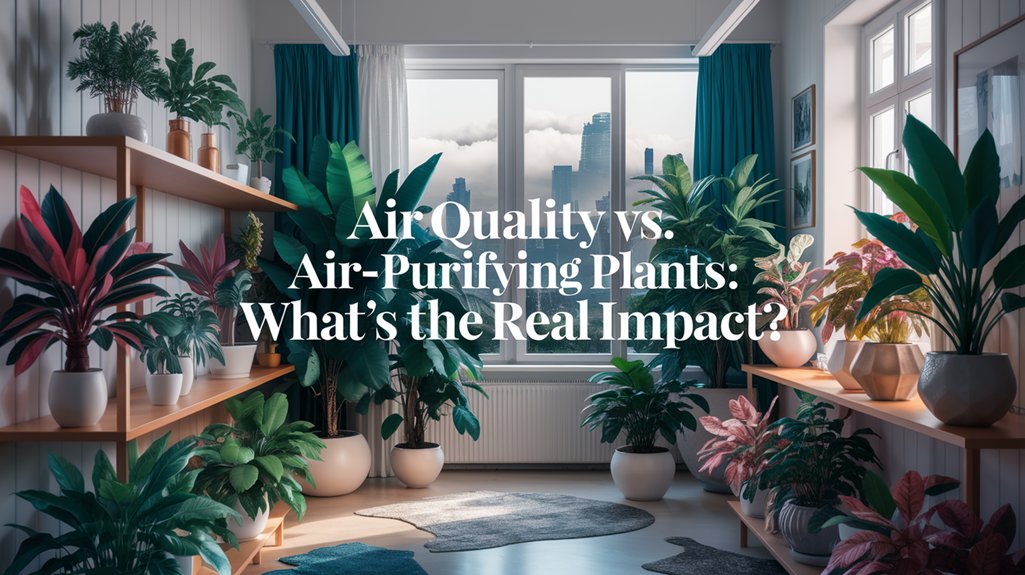
Houseplants’ impact on indoor air quality is minimal. Studies, like NASA’s, were in controlled settings not reflective of homes. Effective VOC reduction requires an unfeasible number of plants, often neglecting natural ventilation factors. However, houseplants can boost mood and aesthetics, promoting relaxation. To truly improve air quality, consider mechanical solutions like HEPA filters and ventilation. There’s more to learn about optimizing indoor environments for health and tranquility beyond just adding greenery.
While it’s tempting to believe that houseplants can notably purify indoor air, a closer examination of the NASA study reveals a more nuanced reality.
The 1989 NASA study suggested that plants could absorb VOCs and improve air quality in closed environments, like space stations. However, this research was conducted in small, sealed chambers, not typical indoor environments.
Real-life conditions differ greatly, leading to misconceptions about houseplants as effective air purifiers. A 1992 EPA memo highlighted that replicating NASA’s pollutant removal rates in a home would require about 680 plants, which is impractical.
Consequently, relying solely on houseplants for indoor air quality improvement is overstated and misleading, illustrating the gap between controlled studies and real-life applications.
Despite the appealing notion that houseplants can purify indoor air, a critical analysis of laboratory research reveals significant limitations.
Studies often occur in controlled laboratory settings that don’t mimic real-world environments, using small, airtight chambers. These settings limit the applicability of findings to typical indoor spaces.
Here are key limitations:
Although laboratory studies highlight the limitations of houseplants in improving air quality, it’s important to contemplate the potential downsides these plants might bring to indoor environments.
Overwatering is a common issue that can lead to mold growth, potentially triggering allergies or asthma in sensitive individuals. Dust accumulation on plant leaves isn’t just unsightly—it can exacerbate respiratory problems by reducing air quality.
Newly purchased plants might harbor pests, introducing additional allergens. Some plants release pollen or fragrances, causing allergic reactions in certain people.
Even large-leaved, non-flowering plants, often considered safer, require proper care to prevent these issues. Understanding these factors is vital for anyone looking to incorporate plants into their indoor environments effectively while minimizing potential health impacts.
To effectively improve indoor air quality, it’s crucial to adopt a multifaceted approach that addresses various sources of pollution. Consider these effective strategies:
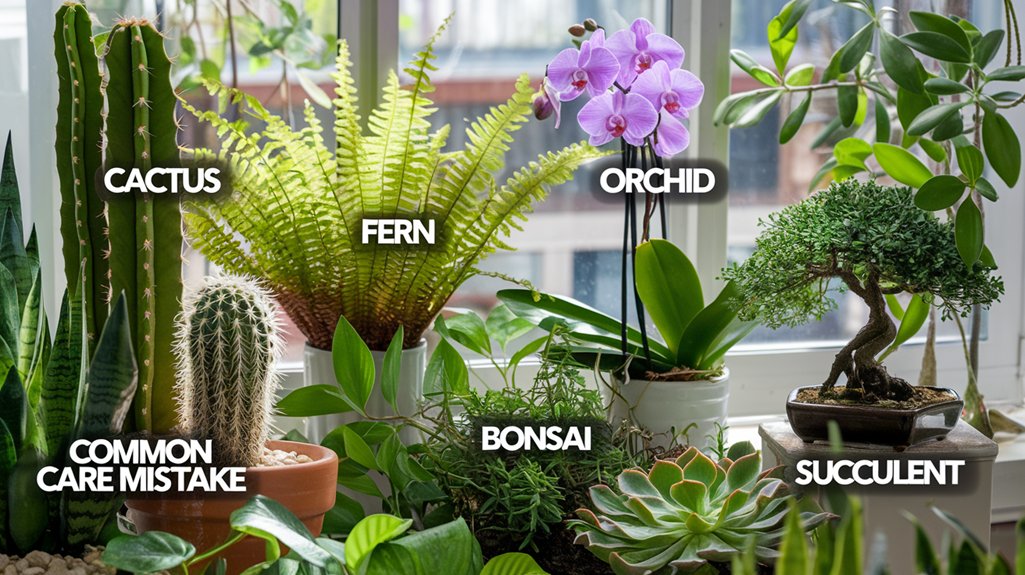
When considering the role of houseplants, it’s essential to look beyond their air-purifying capabilities and recognize their broader benefits. Although their impact on air quality may be limited, houseplants greatly enhance aesthetic value, creating a visually pleasing indoor environment that promotes mental well-being.
Studies show that the presence of greenery can reduce stress and foster tranquility, particularly during winter months. Engaging in gardening and plant care not only provides satisfaction but also boosts productivity.
In addition, houseplants can forge a sense of community among individuals passionate about gardening, encouraging social connections. While air purification is a commonly cited benefit, the true impact of houseplants lies in their ability to enrich your living space and improve overall mental health.
You’ve explored the NASA study’s insights on air-purifying plants but remember its lab-based limitations. While these plants offer some air quality benefits, they’re not a standalone solution. Be mindful of potential downsides like allergens or pests. For effective indoor air quality improvement, focus on extensive strategies like ventilation and air purifiers. Houseplants do offer benefits beyond purification, such as aesthetic appeal and psychological well-being, making them a valuable addition to your indoor environment.