

Super Fresh
Harvested and shipped within days when you order.
Fair Prices
We eliminate extra steps so you get better value.
Rated for Real Life
Clearly labeled so you can choose the right plant fast.
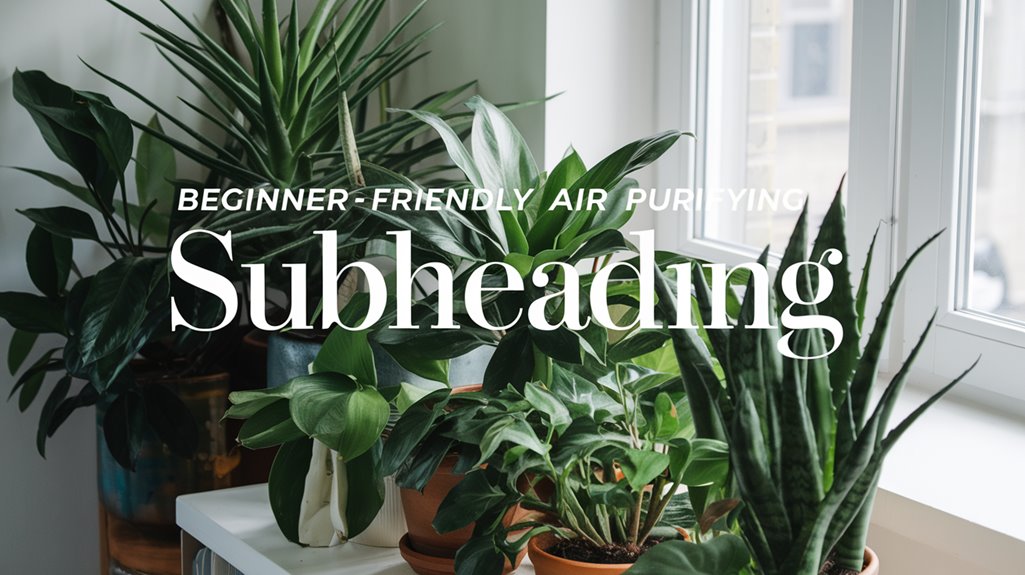
Choose your first air-purifying houseplant by evaluating light conditions with a light meter or app, aiming for areas receiving at least 2,000 lux. Select species matching your home’s lighting—like snake plants for low light. Regularly water and dust to optimize health and air purification. Enhance air quality by selecting non-toxic, VOC-filtering plants like spider plants, especially around pets. Harmonize plant choice with your decor’s color and texture. Explore further to uncover essential plant tips.
How do you determine the best lighting conditions for your houseplants?
Begin by evaluating the natural light levels in each room. Measure light intensity using a light meter or smartphone app. Rooms with less than 2,000 lux are considered low light, ideal for plants like snake plants that can adapt to indoor environments.
North-facing windows provide minimal natural light, whereas south-facing windows offer abundant light, essential for photosynthesis in light-loving plants. If a room lacks windows, choose low-light tolerant species that can still thrive with indirect lighting conditions.
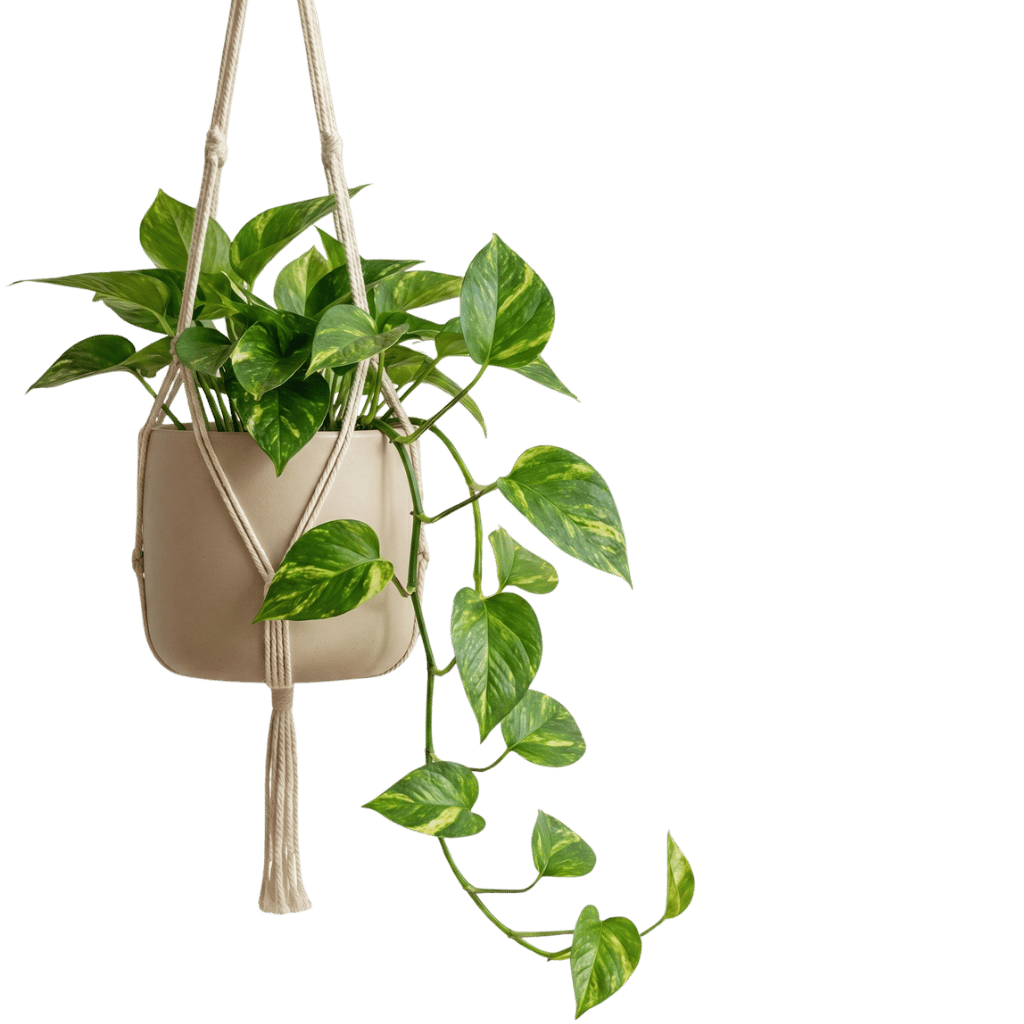
When you commence on the journey of indoor gardening, understanding the maintenance needs of your houseplants is essential for their longevity and health. Consider the watering frequency: Pothos Ivy thrives with watering every 7-10 days, while Peace Lily demands regular watering. Assess light requirements; Gerbera Daisy needs direct sunlight, whereas Snake Plant tolerates low light. Monitor soil moisture levels to avoid overwatering—ensure the top inch dries out before re-watering. Dusting leaves enhances photosynthesis and air purification. Recognize humidity preferences—Boston Fern, an easy-care plant, requires misting for ideal growth.
| Aspect | Details |
|---|---|
| Watering Frequency | Pothos Ivy: every 7-10 days; Peace Lily: regular |
| Light Requirements | Gerbera Daisy: direct sunlight; Snake Plant: low light |
| Humidity Preferences | Boston Fern: requires misting |
Did you know that indoor air can be considerably more polluted than the air outside? According to the Environmental Protection Agency, indoor air quality is often compromised by volatile organic compounds (VOCs) like formaldehyde and benzene.
These harmful chemicals are released from common sources such as paints, varnishes, carpets, and synthetic materials. Poor indoor air quality can lead to symptoms like headaches, fatigue, and respiratory issues.
To combat this, air purifying plants can be an effective tool. Although a study suggests you’d need about 680 plants for significant VOC reduction in a 1,500 sq. ft. home, even a few plants can help.
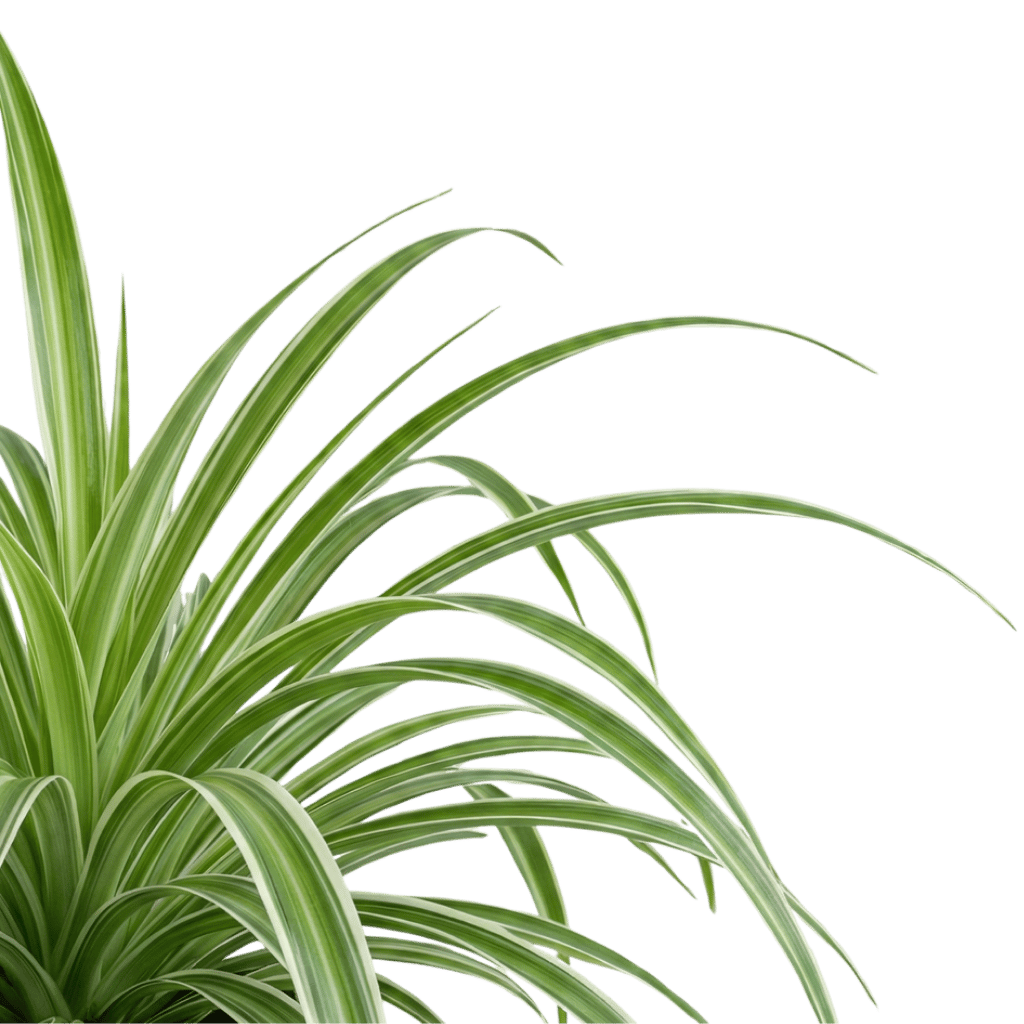
Many indoor plants offer the dual benefit of purifying air while ensuring the safety of pets. When choosing pet-safe air purifying plants, consider the spider plant, known for its non-toxic properties. It effectively absorbs formaldehyde and xylene, enhancing your indoor air quality.
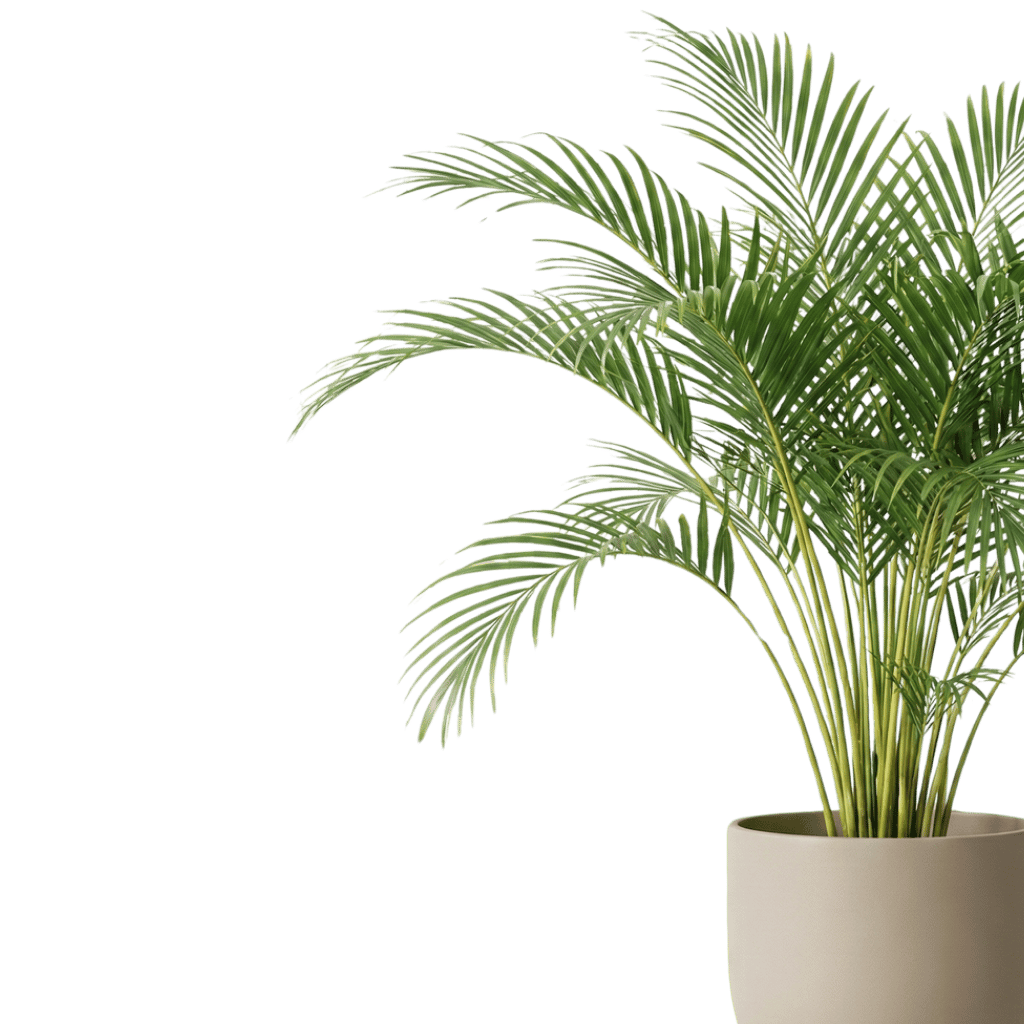
The bamboo palm is another excellent option, efficiently filtering formaldehyde and benzene without posing a risk to your pets. For vibrant color and safety, gerbera daisies excel at removing benzene and formaldehyde.
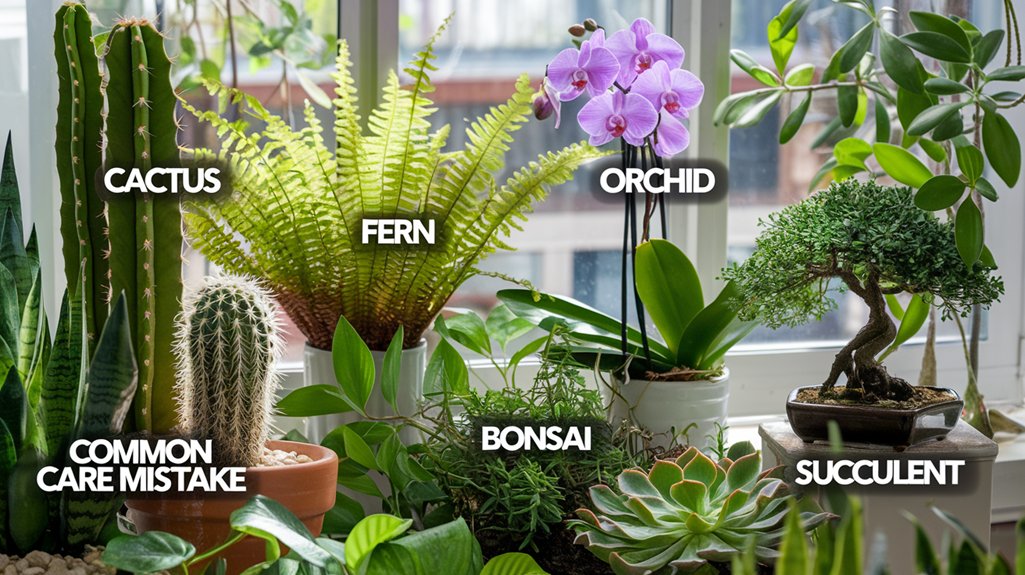
Additionally, Boston ferns are ideal for humid environments, improving air quality while being non-toxic. Always research plant varieties, as some, like snake plants, can be harmful.
Prioritize species that maintain humidity and clean air, ensuring a safe environment for both pets and humans.
In addition to ensuring your chosen plant is safe for pets, consider how it complements your home’s aesthetic. When selecting an air-purifying plant, analyze your color palette; a vibrant Gerbera Daisy can introduce a cheerful dynamic to any space.
To enhance visual interest, opt for indoor plants like the Rubber Plant or Aloe Vera with unique textures. Varying plant heights, such as the tall Bamboo Palm and compact Spider Plant, create dynamic layers, enriching your decor.
English Ivy, suitable for decorative pots or hanging displays, adds dimension with its trailing habit. For low-light environments, choose the resilient Snake Plant or Chinese Evergreen, which thrive despite limited sunlight, maintaining their aesthetic appeal.
These selections enhance your home or office while purifying the air.
You’ve considered light conditions, maintenance needs, and air quality concerns, ensuring your chosen plant thrives while enhancing your environment. Pet-safe options safeguard your furry friends, and your aesthetic preferences guide the final choice. Equipped with this knowledge, you’re ready to select a plant that optimizes air purification. Remember, NASA’s Clean Air Study highlights the efficacy of certain houseplants in removing toxins, so choose wisely to enjoy both beauty and improved indoor air quality. Your home is now a healthier sanctuary.