

Super Fresh
Harvested and shipped within days when you order.
Fair Prices
We eliminate extra steps so you get better value.
Rated for Real Life
Clearly labeled so you can choose the right plant fast.
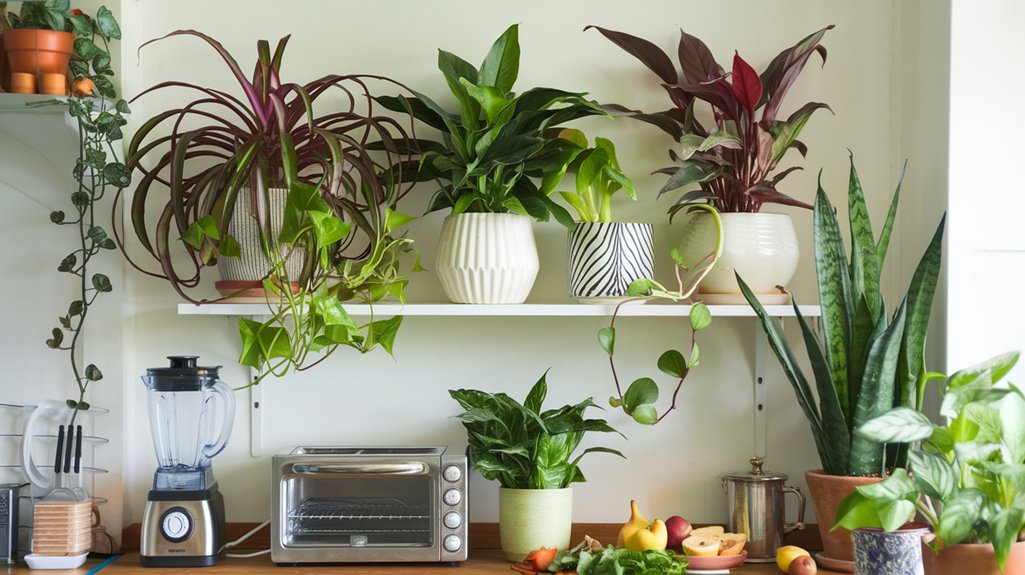
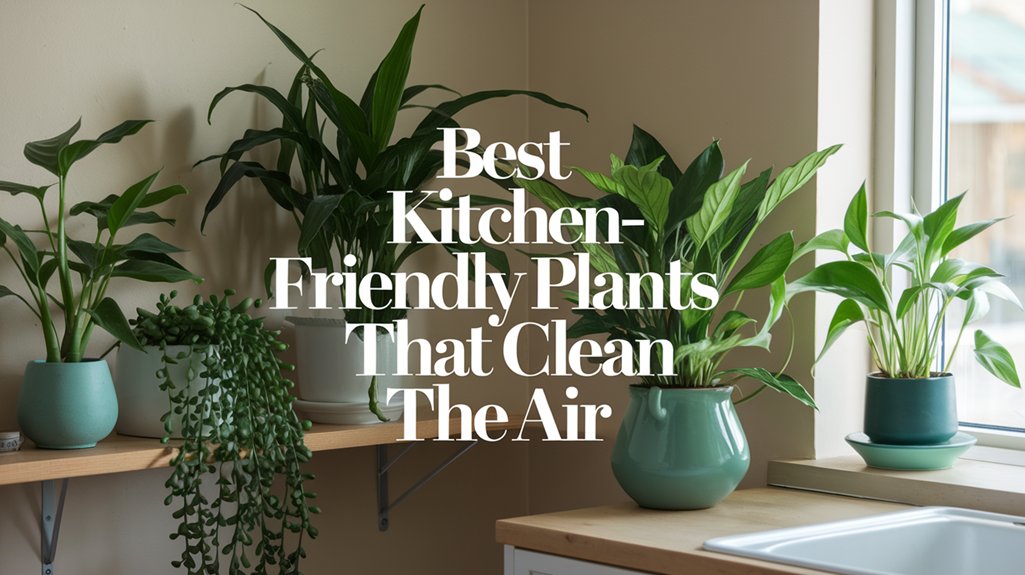
To enhance your kitchen’s air quality, consider adding aloe vera, spider plants, and snake plants. These robust plants efficiently remove indoor pollutants like formaldehyde and benzene, thriving with minimal watering and varied light conditions. Aloe vera offers added benefits with its healing properties, while spider plants and snake plants are renowned for their low maintenance. Incorporating these air-purifying plants will not only create a healthier cooking space but also enrich your kitchen atmosphere with vibrant life. Discover how each plant further contributes to your kitchen’s well-being.
When you’re considering ways to improve your kitchen’s environment, don’t overlook the power of air-purifying plants.
Kitchen-friendly air-purifying plants like Spider Plants and Snake Plants efficiently improve indoor air quality by removing toxins such as formaldehyde and benzene. These toxins often lurk in household products and can contribute to a less healthy cooking space.
Additionally, high transpiration rate plants like English Ivy filter dust and pollen, reducing allergy symptoms and enhancing comfort.
Most of these plants are low maintenance, thriving with minimal watering and adapting to various light conditions, making them perfect for busy kitchens.
Beyond health benefits, they enhance aesthetics, creating a cheerful atmosphere that uplifts mood and well-being, contributing to a more pleasant cooking experience.
As an exceptional addition to your kitchen, Aloe Vera stands out not only for its aesthetic appeal but also for its dual role as an air purifier and natural remedy.
This resilient succulent boasts impressive air-purifying properties, effectively removing harmful toxins like formaldehyde and benzene, thereby enhancing your indoor environment. To maximize its benefits, place Aloe Vera where it can bask in bright sunlight, such as a windowsill.
Its minimal watering needs—typically once a week—make it an effortless choice for busy kitchens.
Besides improving air quality, Aloe Vera’s healing properties are invaluable, offering soothing relief for burns and skin irritations.
Following Aloe Vera’s multifaceted benefits, English Ivy emerges as another stellar plant for kitchen enhancement.
Known scientifically as Hedera helix, English ivy is an effective toxin remover, tackling indoor air pollution by filtering out formaldehyde and benzene. It’s a top choice among air-purifying indoor plants, especially useful in kitchens where such pollutants are common.
This adaptable plant thrives in both bright and low light environments, guaranteeing it fits seamlessly into any kitchen decor. English Ivy also reduces airborne fecal matter, enhancing kitchen cleanliness.
It’s easy to maintain and propagates simply through cuttings, perfect for busy households. However, make sure its placement considers pet safety, as ingestion can be toxic to cats and dogs.
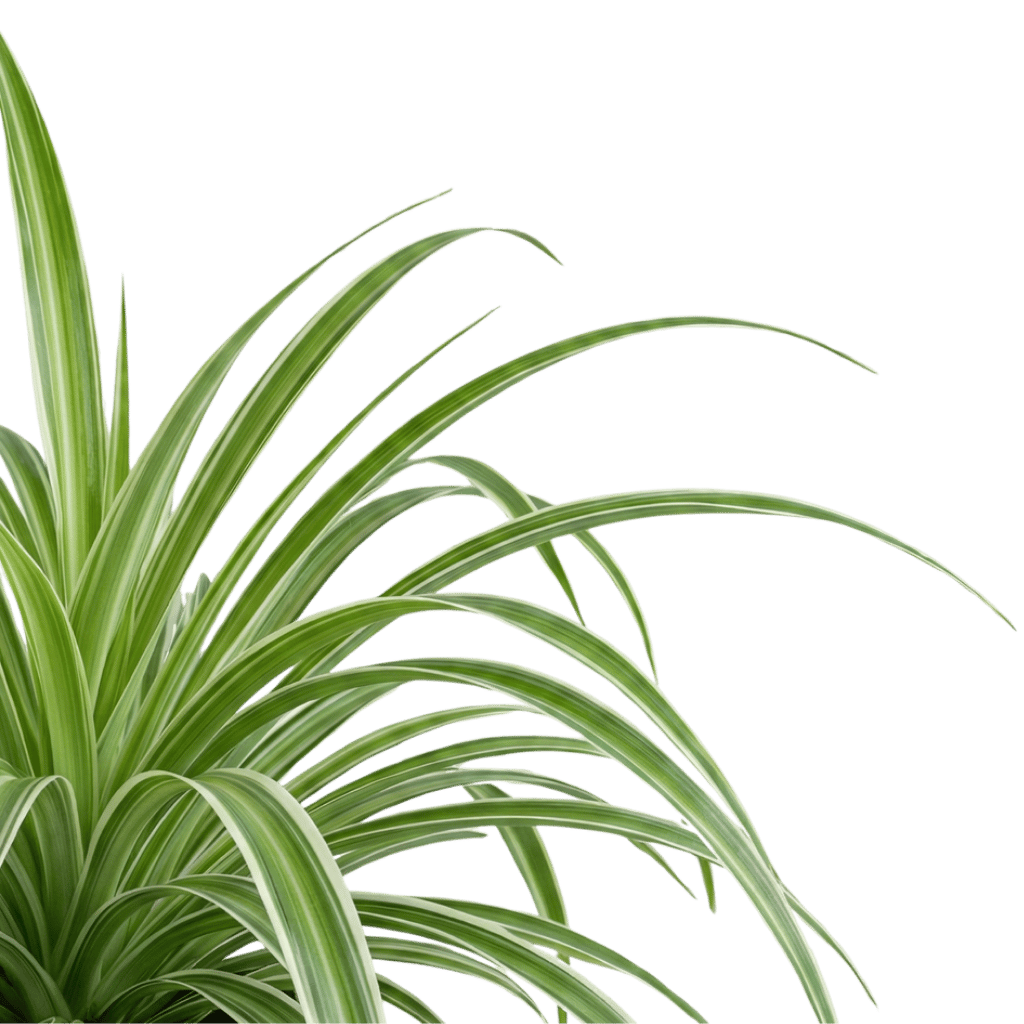
One might find the Spider Plant, scientifically known as Chlorophytum comosum, to be an invaluable addition to any kitchen due to its robust air-cleaning capabilities.
This low-maintenance plant is adept at air purification, effectively removing indoor pollutants such as formaldehyde and xylene, essential for maintaining clean air in cooking spaces. Its adaptability to moderate light conditions and minimal watering needs make it perfect for busy environments.
Recognized by NASA for its ability to improve air quality, the Spider Plant is a superior choice.
The Snake Plant, often called Mother-in-Law’s Tongue, stands out as a remarkably resilient and adaptable choice for kitchen environments.
This snake plant excels at purifying air by removing toxins like benzene and formaldehyde, greatly enhancing air quality. Its ability to thrive under varied light conditions, from bright to low-light areas, makes it ideal for any kitchen setting.
As a resilient plant, it requires minimal maintenance; just water it every two weeks or less. This easy-to-care plant also converts CO2 into oxygen at night, improving air quality while you sleep.
Known for its tolerance to neglect, the snake plant survives dry conditions without frequent repotting, making it the perfect companion for busy households focused on air purification.
While the Snake Plant offers exceptional air-purifying capabilities and resilience, another stellar option for your kitchen is the Cast Iron Plant (Aspidistra elatior).
This hardy plant is renowned for its durability, thriving in low-light conditions that often characterize kitchen environments. Its air-purifying qualities effectively remove toxins like formaldehyde and benzene from indoor air, enhancing air quality.
Consider these key features:
The Cast Iron Plant is both a functional and aesthetic addition to any kitchen.
How do you choose the perfect plants for your kitchen? Start by selecting species with high transpiration rates, like spider plants and English ivy, which act as natural air purifiers by removing toxins such as formaldehyde and benzene.
Snake plants are an excellent choice due to their hardiness, tolerating varying light conditions and requiring infrequent watering—ideal for kitchen environments.
For an indoor garden, consider the peace lily, known for its air-purifying benefits and ability to filter out common kitchen pollutants.
Verify your chosen plants thrive under kitchen conditions; for example, aloe vera thrives with plenty of sunlight and minimal watering.
Also, prioritize non-toxic options like the spider plant and aloe vera for safe, aesthetic indoor gardening.
Caring for kitchen-friendly plants demands attention to their specific needs to guarantee vibrant growth and effective air purification.
Ensuring your plants provide maximum air-purifying benefits begins with understanding their individual requirements.
Regularly dust the leaves to enhance photosynthesis, keeping your kitchen plants healthy and efficient at cleaning the air.
Incorporating kitchen-friendly plants can dramatically transform your cooking space into a healthier and more inviting environment.
Plants like spider plants and English ivy serve as great air purifiers, effectively removing toxins such as formaldehyde and benzene, thereby enhancing indoor air quality.
Aloe vera, thriving on windowsills, requires minimal watering and adds aesthetic appeal while purifying the air.
High transpiration rate plants, like spider plants, increase humidity levels, making the environment more comfortable.
Easy-care plants such as snake plants, with their infrequent watering needs and adaptability to light conditions, guarantee you maintain a fresh kitchen atmosphere with minimal effort.
Incorporating kitchen-friendly air-purifying plants like aloe vera, English ivy, spider plants, snake plants, and cast iron plants can greatly improve your kitchen’s air quality. These plants don’t just filter out toxins; they’re also easy to maintain and enhance your kitchen’s atmosphere. By carefully selecting and caring for these resilient plants, you create a healthier, more inviting cooking environment. Remember, each plant has unique light and water needs, so tailor your care routine for ideal growth and air purification.