

Super Fresh
Harvested and shipped within days when you order.
Fair Prices
We eliminate extra steps so you get better value.
Rated for Real Life
Clearly labeled so you can choose the right plant fast.
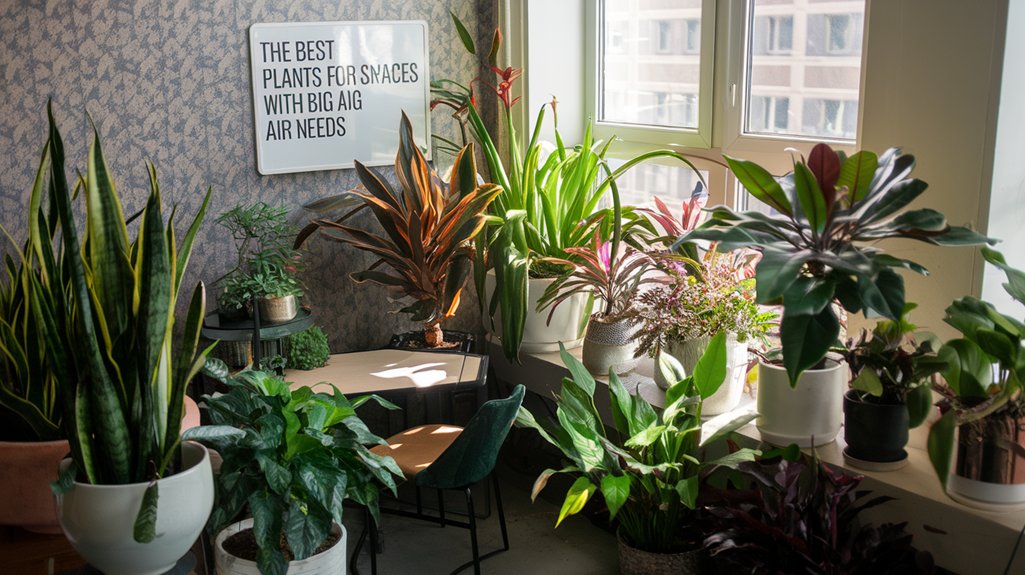
For a small space craving ideal air quality, consider Peace Lily and Snake Plant as your top picks. The Peace Lily excels in low light, purifying carbon monoxide and formaldehyde. Meanwhile, the Snake Plant is adaptable, releasing oxygen at night to maintain a fresher environment. Marble Queen Pothos and English Ivy are additional air purifiers, absorbing VOCs and other airborne pollutants. As you explore further, you’ll discover strategic plant placement maximizes their purifying capabilities.
When you’re looking to enhance the air quality in your small space, selecting the right air-purifying plants can make a considerable difference.
Opt for hardy plants like Peace Lilies, renowned for their air-purifying abilities. They efficiently remove carbon monoxide and formaldehyde, making them ideal for compact indoor environments.
The Snake Plant, adaptable to various light conditions, releases oxygen at night, further improving air quality in small spaces.
Consider the Marble Queen Pothos, which effectively removes VOCs like formaldehyde and benzene, perfect for high air quality needs.
English Ivy excels at absorbing formaldehyde and airborne fecal matter, a top choice for air purification in tight areas.
These plants contribute considerably to cleaner air in small spaces.
Although small spaces often limit your choices, selecting low-light and low-maintenance plants can greatly enhance your indoor environment without demanding excessive care.
Opt for Peace Lily and ZZ Plant; both thrive in dim conditions and possess air-purifying capabilities.
Snake Plants, renowned for their adaptability, flourish even in minimal light, requiring only sporadic watering.
For consistent moisture needs, the Chinese Money Plant excels in indirect lighting, providing robust foliage with little attention.
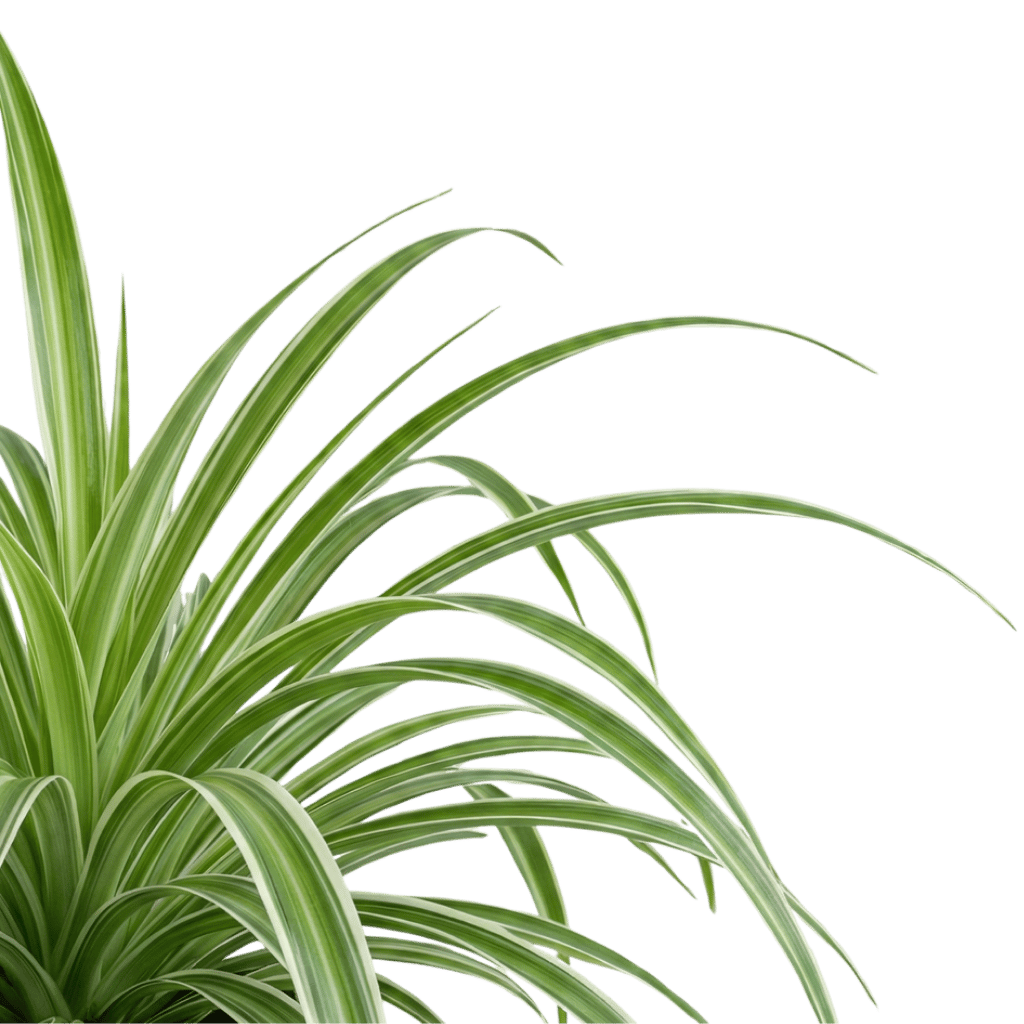
Spider Plants produce air-purifying plantlets, a perfect fit for compact living areas.
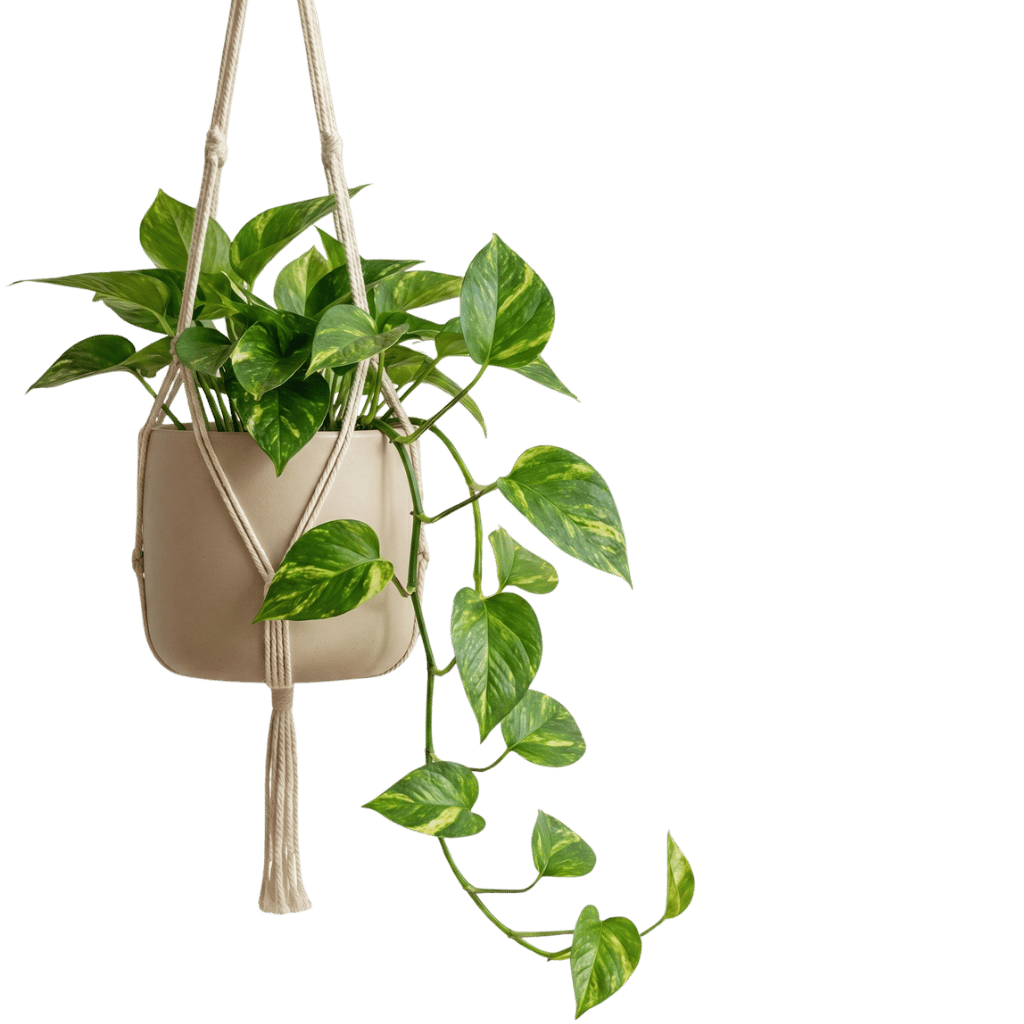
Among visually striking varieties, Golden Pothos stands out with its cascading vines, thriving on infrequent watering and low light.
Incorporating these species into your indoor garden guarantees a lush, resilient, and visually appealing atmosphere.
Elevate your small space’s aesthetic and functionality by exploring innovative plant arrangements.
Utilize vertical space efficiently with wall-mounted planters or shelves to establish a green wall. This approach allows you to incorporate robust air purifiers like English Ivy and Peace Lily, enhancing indoor air quality.
For dynamic displays, group small plants such as Baby Toes and Echeveria in decorative trays, perfect for desks or windowsills.
Hanging planters featuring trailing species like String of Pearls enhance vertical interest without encroaching on valuable floor space.
Craft a terrarium housing Air Plants and small ferns, offering air purification and a unique visual appeal.
Employ multi-level plant stands to organize diverse plants, ensuring ideal air circulation and light exposure while maintaining space-saving efficiency.
Given the challenges of urban living, enhancing air quality in confined spaces becomes essential for maintaining a healthy home environment.
Incorporating small indoor plants that purify the air can greatly improve indoor air quality. House plants like the Snake Plant thrive best in low light and are renowned for their ability to filter out harmful VOCs.
For best results, consider:
Strategically placing these plants guarantees cleaner, fresher air, promoting a healthier, stress-reducing environment.
Building upon the benefits of air-purifying plants, maintaining their health requires intentional care and attention to several key factors.
First, monitor soil moisture levels to prevent overwatering, as excess can cause root rot. Confirm potted plants have drainage holes to promote vibrant growth.
Position each plant according to its specific light requirements; for instance, Aloe Vera needs natural light, while Peace Lilies thrive in low light.
Use quality potting soil for proper drainage and nutrient supply. Pay attention to humidity levels since tropical species, like Boston Ferns, prefer higher humidity, whereas succulents enjoy drier air.
Regularly fertilize during growing seasons with a balanced formula to bolster air-purifying properties, confirming easy-to-care plant health.
These practices maximize plant health and indoor air quality.
To boost air quality in tight spaces, choose air-purifying plants like snake plants or peace lilies. Opt for low-light, low-maintenance varieties and arrange creatively, perhaps with vertical gardens or hanging pots. In urban settings, these plants excel, filtering toxins and reducing CO2. Guarantee success by monitoring soil moisture and providing occasional feedings. By mindfully selecting and caring for these plants, you’ll create a healthier, more invigorating indoor environment, even in the smallest of spaces.