
Super Fresh
Harvested and shipped within days when you order.
Fair Prices
We eliminate extra steps so you get better value.
Rated for Real Life
Clearly labeled so you can choose the right plant fast.
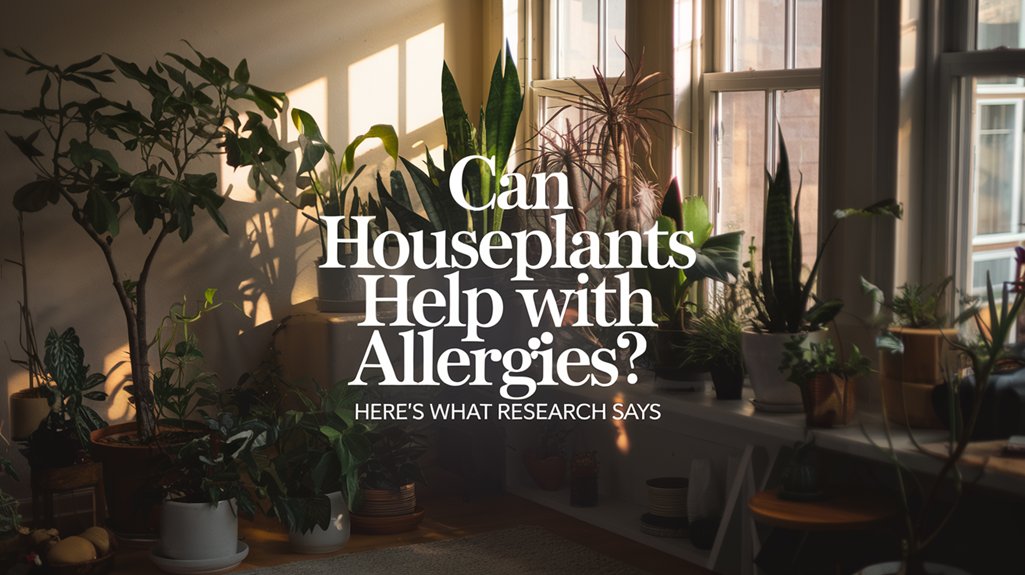
Houseplants can indeed help with allergies. They serve as natural air filters, effectively reducing indoor allergens like dust and volatile organic compounds (VOCs), according to scientific research. Peace Lilies and Chinese Evergreens trap allergens, enhancing indoor air quality without triggering symptoms. However, be mindful of mold from overwatering and dust on leaves. Strategic plant selection and care can greatly alleviate allergy symptoms. Consider exploring further to maximize the benefits of houseplants in your environment.
When considering ways to reduce indoor allergens, houseplants play a crucial role by acting as natural air filters. Their textured leaves efficiently trap dust and indoor allergens, thereby improving air quality.
Scientific research supports that rooms adorned with houseplants experience markedly less dust and mold, fostering a healthier environment. To effectively reduce allergies, consider low-light houseplants like the Chinese evergreen and peace lily.
These species are particularly adept at enhancing air quality without contributing pollen or spores, which could worsen respiratory issues. By minimizing dust and mold presence, houseplants can help alleviate asthma symptoms and other allergies.
It’s important to select the right plants, as their presence directly correlates with improved air quality and reduced allergen levels indoors.
Although often overlooked, houseplants serve as natural air filters by effectively absorbing airborne volatile organic compounds (VOCs), thereby enhancing indoor air quality.
Studies, including those by NASA, have demonstrated that houseplants like English ivy and peace lilies can reduce VOCs, minimizing air pollution that may trigger allergies.
These plants are adept at trapping dust particles on their leaves, which lowers dust levels and subsequently reduces allergens in the air. Such air-scrubbing capabilities can alleviate allergy symptoms, offering a cleaner environment.
While some research indicates that a significant number of plants might be necessary for noticeable improvement, even a few well-placed houseplants can make a difference for individuals sensitive to allergens, contributing to a healthier, more breathable indoor space.
While houseplants are often celebrated for their aesthetic appeal and soothing presence, their impact on volatile organic compounds (VOCs) in indoor environments warrants a closer look. Research indicates that houseplants can absorb certain VOCs, potentially improving indoor air quality.
A NASA study from the 1980s suggested specific plants could reduce VOCs in sealed environments. However, a 2019 meta-analysis challenges this, indicating that 10-1,000 plants per square meter are necessary for considerable VOC reduction.
It turns out, natural ventilation plays an essential role in mitigating indoor air pollution, overshadowing the impact of houseplants. Although houseplants offer aesthetic and comfort benefits, their role in considerably reducing VOCs and providing health benefits for allergies or asthma remains debated.
For those who suffer from allergies, selecting the right houseplants can provide a revitalizing change without triggering symptoms.
Among the best houseplants for allergy sufferers are the Peace Lily and Snake Plant. The Peace Lily, with its notable air-purifying qualities and low allergenic potential, ranks highly on the Ogren Plant Allergy Scale (OPALS) as a low-allergen option.
Similarly, the Snake Plant, or Mother-in-Law’s Tongue, thrives in various light conditions while enhancing air quality, making it an ideal choice for allergy-prone homes.
The Chinese Evergreen stands out as an allergy-friendly choice, as it flourishes in low-light environments and demands minimal care.
These indoor plants not only improve air quality but also offer a low-allergen solution for sensitive individuals.
Exploring the benefits of plants extends beyond their physical presence, as they play a significant role in alleviating stress.
Scientific evidence reveals that interacting with indoor plants can reduce both psychological and physiological stress. Lee et al. (2015) found that gardening activities led to lower heart rates and blood pressure compared to computer tasks. This indicates that plants facilitate stress relief by fostering a calming environment.
Additionally, Ulrich (2002) highlighted how exposure to greenery enhances recovery and relaxation. Horticultural therapy has shown promise in psychiatric settings, aiding in mental health improvements for conditions like anxiety and depression (de Seixas et al., 2017).
Furthermore, improved air quality and greenery in workplaces boost job satisfaction, underscoring the importance of plants in stress management and well-being.
Research indicates that incorporating real plants into indoor spaces can greatly enhance cognitive functions. A study involving 23 participants revealed that students surrounded by real plants exhibited improved cognitive performance, as brain scans showed increased attentiveness compared to those with artificial plants.
Real plants in educational environments not only bolster focus but also offer psychological benefits by reducing stress, thereby creating a conducive atmosphere for enhanced learning outcomes. Such greenery fosters responsibility, additionally boosting learning.
Moreover, real plants enhance attention, underscoring their value in both educational and workplace settings. Unlike plastic plants, real ones considerably improve cognitive performance and focus.
As studies suggest, integrating real plants into indoor spaces offers substantial psychological and physiological advantages, critical for optimized learning and cognitive health.
While you mightn’t immediately associate gardening with allergy relief, horticultural therapy is emerging as a promising method for alleviating allergy symptoms.
Engaging in gardening activities can improve your well-being by promoting relaxation and reducing stress levels. This therapeutic approach helps manage symptoms of anxiety and depression, often exacerbated by allergies.
When recovering from respiratory illnesses, the presence of houseplants in your environment can greatly enhance the healing process. Research indicates that houseplants can reduce stress levels, thereby improving your overall well-being. They contribute to healing environments that promote relaxation, which is vital for recovery. Studies show patients surrounded by greenery often require less pain medication and enjoy shorter hospital stays. These benefits include better pain tolerance and reduced anxiety, essential for those with respiratory conditions. In addition, incorporating plants can improve mental health, markedly impacting recovery rates. Natural views offered by houseplants can enhance your recovery experience and well-being.
| Factors | Impact on Recovery | Supporting Evidence |
|---|---|---|
| Stress Levels | Reduced | Enhanced relaxation |
| Use of Pain Medication | Decreased | Less medication needed |
| Mental Health | Improved | Better pain tolerance |
| Anxiety Levels | Lowered | Reduced anxiety in patients |
| Hospital Stay Duration | Shortened | Faster recovery with greenery |
Although houseplants are renowned for their benefits, they can also pose allergy risks for some individuals.
Overwatering can lead to mold growth, which can exacerbate allergies and asthma in sensitive people.
Dust accumulation on leaves is another concern, as it contributes to respiratory problems when allergens become airborne.
Certain plants, such as ferns and English ivy, release pollen or spores, potentially triggering allergic reactions.
Large-leaved plants, while generally considered safe, can still harbor dust or mold, making them less suitable for those prone to allergies.
Consider these potential downsides:
Incorporating houseplants into your home can greatly enhance air quality, provided you select and maintain them thoughtfully. Opt for low-allergenic indoor plants such as Peace Lily, Janet Craig, and Snake Plant to reduce allergy symptoms. These plants have low OPALS ratings and effectively clean the air by reducing VOCs. To maximize benefits, place multiple plants per room.
| Plant Type | OPALS Rating | Benefits |
|---|---|---|
| Peace Lily | Low | Reduces VOCs |
| Janet Craig | Low | Air purification |
| Snake Plant | Low | Low-allergenic |
Regularly clean leaves to prevent dust buildup, which affects air quality and exacerbates allergies. Avoid ferns and weeping figs due to their pollen. Guarantee proper ventilation and humidity to mitigate mold growth, essential for maintaining a healthy indoor environment.
Incorporating houseplants into your home can offer potential benefits for reducing indoor allergens and improving air quality. Research shows that certain plants act as natural air filters, absorbing VOCs and providing stress relief. However, it’s essential to choose the right species, as some plants might trigger allergies themselves. Understanding these dynamics allows you to make informed decisions, enhancing respiratory health and overall well-being. Be mindful of plant care and placement to maximize these beneficial effects.