
Super Fresh
Harvested and shipped within days when you order.
Fair Prices
We eliminate extra steps so you get better value.
Rated for Real Life
Clearly labeled so you can choose the right plant fast.
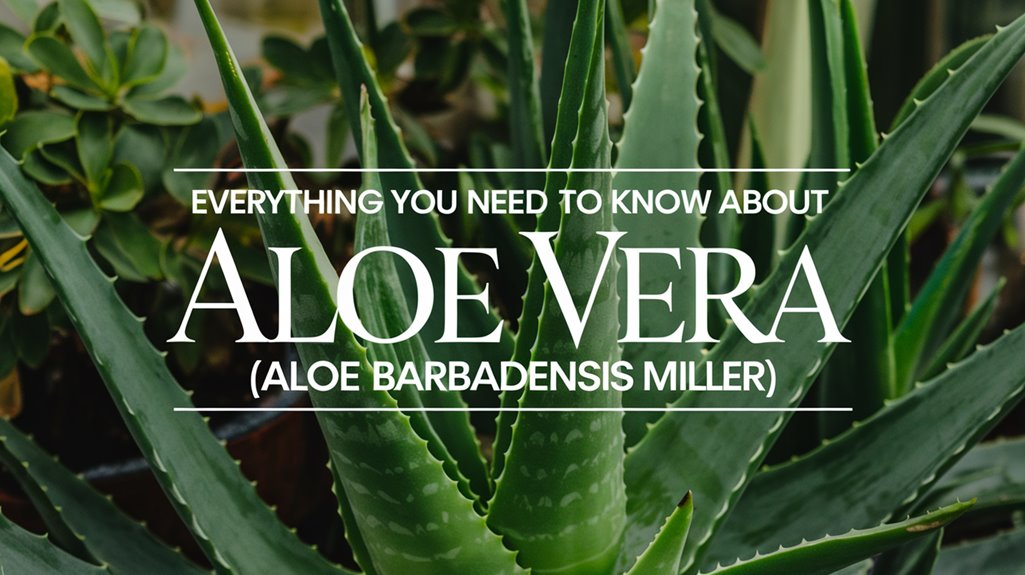
Discover Aloe Vera, or Aloe barbadensis miller, a resilient succulent from the Arabian Peninsula. This plant boasts fleshy leaves with serrated edges, ideal for manageable greenery due to its slow growth. Its gel offers anti-inflammatory, moisturizing, and exfoliating benefits, brimming with vitamins. Thrive it in well-draining soil with bright, indirect sunlight, watered every 2-3 weeks. Propagate via offsets in warmer months and combat pests like mealybugs effectively. Uncover more about its remarkable versatility.
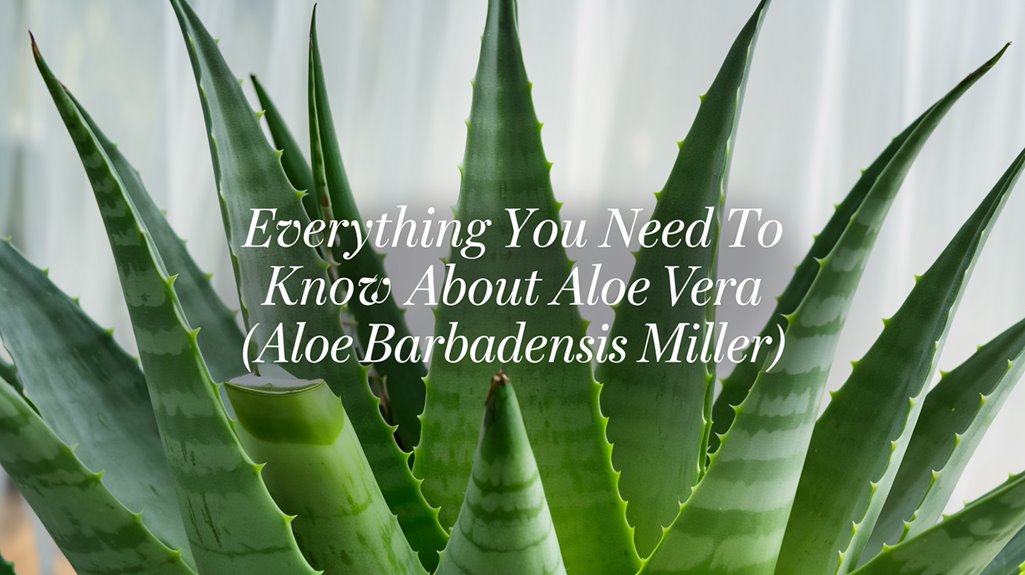
Aloe vera, scientifically known as Aloe barbadensis miller, is a fascinating succulent perennial that hails from the arid regions of the Arabian Peninsula.
This succulent plant is characterized by its fleshy leaves, which can reach impressive dimensions, growing up to 3 feet tall and 2 feet wide. The serrated edges and small white teeth give the leaves a distinctive appearance.
For best growth, you should plant Aloe vera in well-draining soil and guarantee it receives bright indirect sunlight.
It’s renowned for its medicinal properties, with the gel inside the leaves promoting skin health and offering healing properties.
With slow growth, producing one or two leaves monthly, Aloe vera is an ideal addition for those seeking robust yet manageable greenery.
While often celebrated for its ornamental beauty, the true allure of Aloe vera lies in its exceptional health and skin benefits.
Aloe vera gel, renowned for its anti-inflammatory properties, effectively soothes burns and skin irritations, providing immediate relief and promoting healing. Rich in vitamins A, C, and E, it acts as a powerful antioxidant, protecting skin from damage and maintaining a youthful appearance by reducing fine lines and wrinkles.
Its moisturizing properties aid hydration, serving as a natural remedy for dry and dehydrated skin. The gentle exfoliating action enhances texture and product absorption, making it suitable for sensitive skin.
Research indicates Aloe vera’s efficacy across various applications, offering a thorough approach to skin care and overall health.
To cultivate Aloe vera effectively, understanding its ideal growing conditions is essential. Utilize well-draining soil, combining sand, perlite, and peat moss, to prevent root rot. Position the plant in bright, indirect sunlight, avoiding leaf burn by placing it a few feet from a south-facing window. Water every 2-3 weeks during active growth, reducing in winter to align with its watering practices. Maintain temperatures between 60°F and 80°F, ideal for indoor growing. Minimal fertilization is required—apply a diluted balanced fertilizer annually. Be vigilant against pests like mealybugs and scale insects.
| Care Aspect | Recommendations | Notes |
|---|---|---|
| Soil | Well-draining mix | Prevents root rot |
| Sunlight | Bright, indirect | Avoid direct exposure |
| Watering | Every 2-3 weeks | Reduce in winter |
| Temperature | 60°F – 80°F | Protect from frost |
| Fertilization | Minimal, balanced fertilizer | Once or twice yearly |
One effective method for propagating Aloe vera involves utilizing offsets, or pups, which naturally develop at the plant’s base. Make certain these offsets are a few inches tall before separation for successful transplantation.
Allow them to dry for 1-2 days to callus over, minimizing rot risk. Plant these offsets in a well-draining potting mix, covering the roots adequately and aligning the plant with the soil surface level.
After planting, water sparingly; let the soil dry completely between waterings to foster root establishment. Propagation during warmer months facilitates ideal conditions for successful growth, as Aloe vera actively grows during this period.
This method, backed by horticultural research, guarantees robust plant development and increases your chances of achieving thriving Aloe vera specimens.
How can you effectively manage the pests and diseases that threaten your Aloe vera plants?
Start by identifying common pests like mealybugs, which resemble white cotton balls, and treat them with insecticidal soap or rubbing alcohol.
Aloe scale insects, causing yellowing leaves, can be controlled by gently brushing or using alcohol.
Make certain you don’t overwater, as this can lead to root rot, a serious ailment needing well-draining soil.
For signs of disease such as aloe rust, marked by yellow to brown leaf spots, enhance ventilation and reduce moisture to prevent further damage.
Research suggests these methods, backed by studies, maintain plant health and prevent infestations and infections, guaranteeing your Aloe vera thrives in prime conditions.
When harvesting aloe vera gel, precision and care guarantee the best results. Select a thick, mature aloe leaf from the plant’s outer section. Using a clean knife, cut it near the base, ensuring minimal damage.
Allow the yellow latex to drain, as it’s potentially irritating to human skin. Rinse the leaf under cold water to eliminate residual latex, then scoop the clear gel with a spoon. This gel, renowned for its soothing properties, can be applied directly to burns or irritations.
Scientifically, it retains moisture when stored in an airtight container in the refrigerator for up to a week. Additionally, aloe vera gel’s versatility extends to DIY skincare and consumption for digestive benefits, as supported by numerous studies.
Although purchasing aloe vera plants might seem straightforward, understanding the nuances of buying and shipping is essential for guaranteeing you receive a healthy specimen.
Aloe vera plants are available in two sizes: 2 gallons at $31.99 and 5 gallons at $67.49, with free shipping on orders over $89 within the Continental US. Larger plants ship bare root to minimize transit volume, potentially causing minor scarring. Smaller plants remain in pots to preserve health.
Confirm you inspect your plants upon arrival for damage or pests. Follow the care guidelines to facilitate successful acclimatization.
Shipping occurs Monday to Wednesday, with leafy parts trimmed to enhance survival. In extreme cold, orders are temporarily held. Costs via USPS Priority Mail depend on weight and volume.
In fundamental terms, by cultivating Aloe vera, you’re accessing a natural remedy with scientifically-backed benefits. Guarantee peak growth by providing well-drained soil and ample sunlight. Use proper propagation techniques to expand your collection. Stay vigilant against pests and diseases to maintain plant health. When harvesting, extract the gel carefully, as research highlights its efficacy in soothing skin irritations and promoting healing. You’ll find buying and shipping straightforward, guaranteeing your Aloe vera journey is both practical and rewarding.