
Super Fresh
Harvested and shipped within days when you order.
Fair Prices
We eliminate extra steps so you get better value.
Rated for Real Life
Clearly labeled so you can choose the right plant fast.
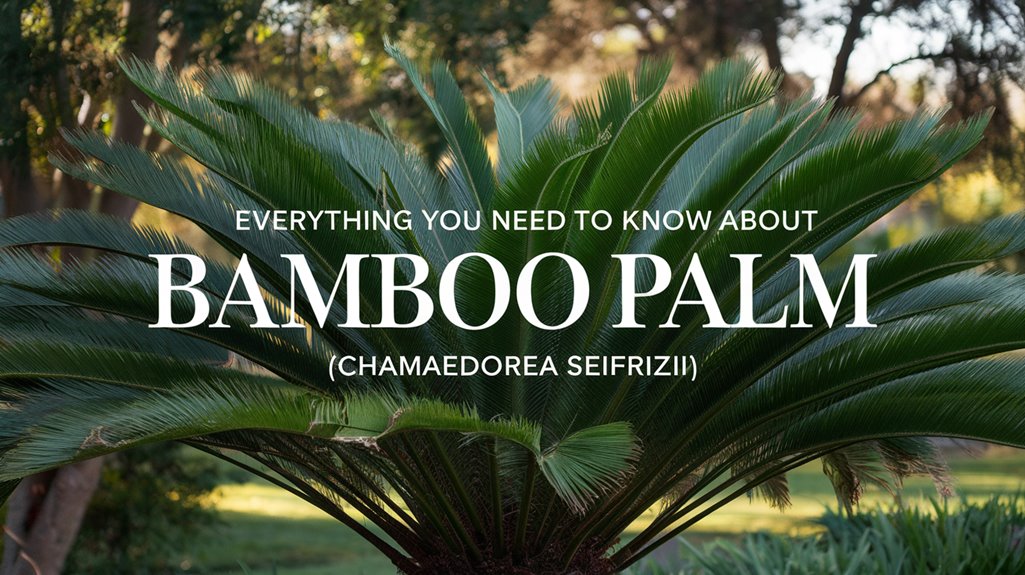
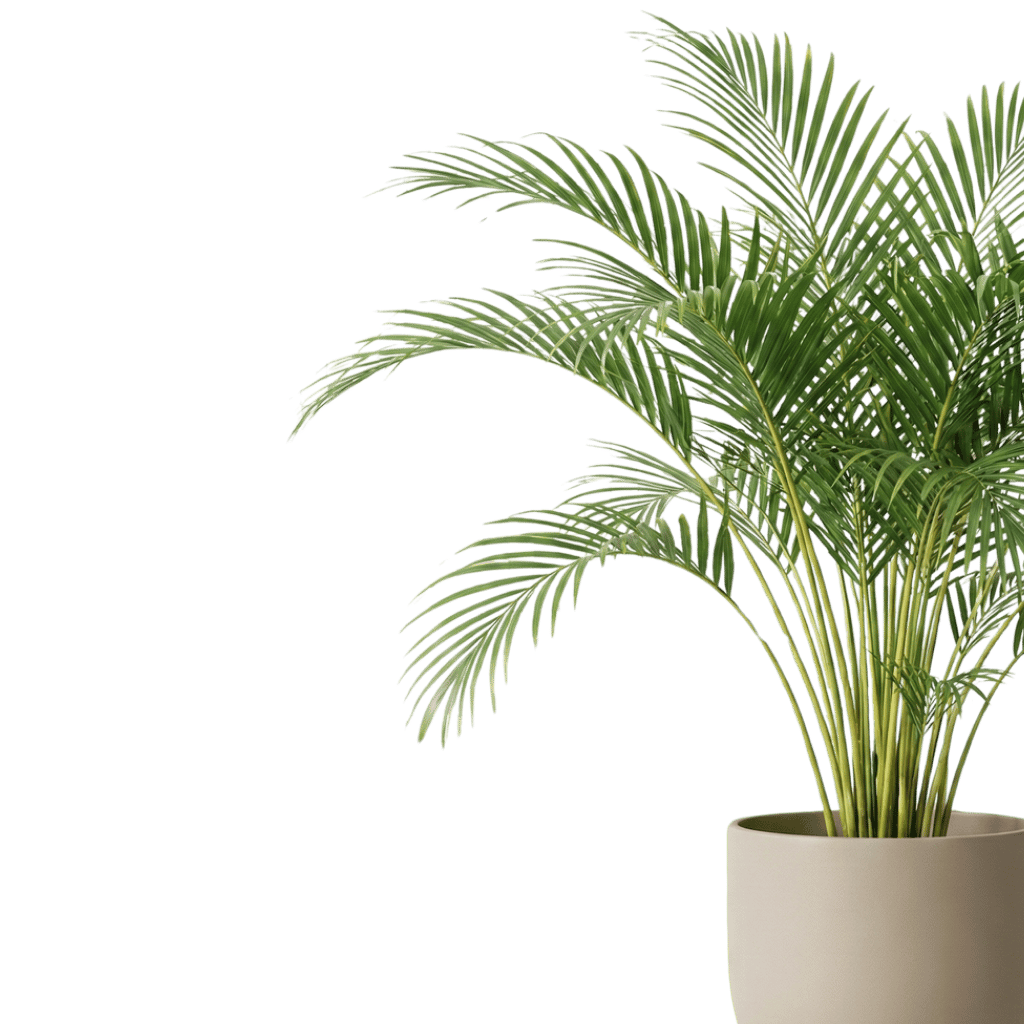
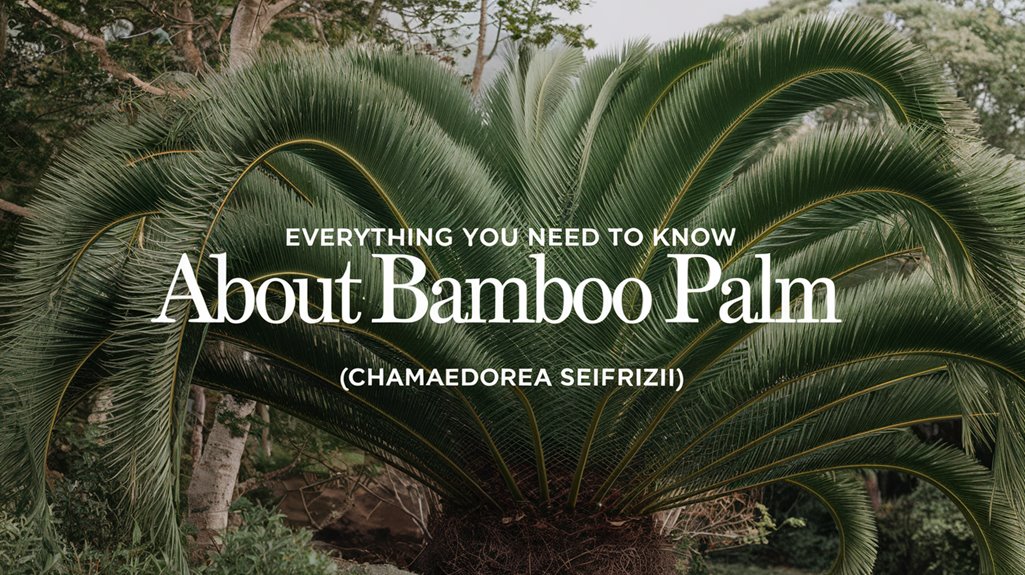
Chamaedorea seifrizii, or Bamboo Palm, thrives indoors with its elegant, bamboo-like stalks and lush fronds. It’s ideal for spaces with bright indirect light but tolerates low-light conditions. Keep temperatures between 65°F to 80°F and provide well-draining soil. Beware of pests like mealybugs, and manage humidity to prevent brown tips. This non-toxic plant suits homes with children and pets, growing 4-6 feet indoors. Explore further to master its care and discover more insights.
Though often overlooked, the Chamaedorea seifrizii, or Bamboo Palm, is a marvel of botanical adaptation that thrives in low-light conditions. This palm, native to the rainforests of Mexico and Central America, features slender, bamboo-like stalks and graceful, arching fronds with pinnate leaves.
The dark green foliage can reach lengths of up to 2 feet, creating a lush, tropical ambiance indoors. Typically growing 4-6 feet in height, it maintains its elegance while being non-toxic, making it safe for homes with children and pets. Its stems possess a unique ringed, green appearance, contributing to its aesthetic appeal.
Although it rarely blooms indoors, its small yellow flowers are inconspicuous. The Bamboo Palm is an ideal choice for indoor spaces, showcasing resilience and beauty in lower light.
If you’re looking to cultivate a Bamboo Palm in your home, understanding its growing conditions is crucial. The bamboo palm prefers bright indirect light but can tolerate lower light, adapting well to indoor spaces.
To guarantee proper care, maintain temperatures between 65°F to 80°F (18°C-27°C), mirroring its tropical origins. While medium relative humidity is sufficient, higher levels are ideal, so consider a humidifier.
For best growth, focus on well-draining soil enriched with organic matter, ensuring adequate drainage to prevent root rot. When planting outdoors, the bamboo palm is suitable for USDA zones 10-11, where temperatures remain above 30°F (-1°C).
These growing conditions support healthy and vibrant foliage, embodying the palm’s natural habitat.
Understanding the bamboo palm’s growing conditions lays the groundwork for successful indoor care.
Start by placing your bamboo palm in bright, indirect light, though it can tolerate lower light if needed. Utilize a well-draining potting mix, enhanced with perlite or sand, to mitigate root rot risks.
Maintain soil moisture by allowing the top inch to dry between regular waterings, being cautious of overwatering, which can cause leaf yellowing. High humidity is essential; employ a humidifier or mist the leaves consistently to achieve ideal levels.
Confirm the temperature remains between 65°F to 80°F (18°C-27°C) and avoid cold drafts or sudden temperature changes.
When caring for bamboo palms outdoors, it’s vital to take into account the plant’s sensitivity to temperature and light. Bamboo palms can live in USDA hardiness zones 10-11, thriving in warm climates. They can’t withstand temperatures below 30°F (-1°C), so select a spot with partial shade that mimics their natural rainforest understory conditions.
Make certain the soil is rich and well-draining, possibly amending it with organic matter for best nutrient availability and drainage. Regular watering is important, especially during hot, dry spells, but allow the soil to dry slightly between waterings to prevent root rot.
Applying mulch around the base helps retain moisture and regulate temperature, enhancing outdoor care and promoting healthier growth.
Propagation of Bamboo Palm (Chamaedorea seifrizii) requires careful attention to several key techniques to secure success.
First, when working with Bamboo palm varieties, ascertain seeds undergo a germination process by soaking them in warm water for 24 to 48 hours to improve success rates.
Second, maintain consistent moisture levels and a warm environment, as germination can take weeks or months.
Third, offshoots should be separated with their own root supply and kept in warm, humid conditions post-planting for a couple of months.
Fourth, for cutting propagation, use a sharp garden knife, ensuring each cutting includes roots to enhance establishment.
Monitor newly potted offshoots closely, adjusting moisture and humidity levels to facilitate adaptation to their new setting.
While caring for your Bamboo Palm, you’ll encounter various pests and diseases that require vigilant management to guarantee the plant’s health.
Common pests include spider mites, mealybugs, and scale insects. Spider mites thrive in arid conditions, often leading to yellowing leaves and webbing; boosting humidity can thwart these infestations.
Mealybugs manifest as white, cottony masses on stems and foliage, removable with soapy water or insecticidal soap. Scale insects appear as small, hard bumps, removable manually or by applying horticultural oil.
Additionally, root rot is a significant concern, primarily due to overwatering. This disease results in yellowing leaves and can be mitigated by ensuring that your Bamboo Palm’s pot has adequate drainage holes to maintain proper soil moisture levels.
Managing pests and diseases is just one aspect of maintaining a healthy Bamboo Palm; addressing common problems like yellowing leaves, brown leaf tips, and slow growth is equally important.
For effective troubleshooting, consider the following:
When exploring Bamboo Palm varieties, you’ll find that Chamaedorea seifrizii stands out due to its elegant appearance and adaptability as a houseplant. This variety, with its clumping growth habit, forms multiple slender stems reaching 3 to 8 feet, contributing to its lush, tropical appearance.
Its green pinnate leaves are a characteristic feature shared among the over 100 species in the Chamaedorea genus, such as C. elegans and C. microspadix.
The ornamental value of Bamboo Palms increases with unique leaf characteristics, like blue or metallic green leaflets.
While Bamboo Palms can live up to 100 years outdoors, their lifespan is typically around 10 years indoors due to less favorable indoor conditions.
Selecting the right variety enhances both aesthetic and longevity factors.
In crafting an inviting space with Bamboo Palm varieties like Chamaedorea seifrizii, understanding their environmental preferences is key. These non-toxic plants thrive in warm areas, making them perfect for indoor use in USDA zones 10-11.
Consider the following design and planting guidelines:
During the growing season, monitor conditions closely to guarantee ideal growth and vigor for this common name species.
In caring for Chamaedorea seifrizii, guarantee you provide ideal growing conditions—bright, indirect light, and well-draining soil. Maintain humidity and regular watering for indoor plants, while outdoor palms thrive in partial shade. Propagate using division or seeds, and be vigilant against pests like spider mites. Recognize signs of distress, such as yellowing fronds, and address promptly. With proper care, your bamboo palm not only enhances aesthetics but also contributes to air purification and environmental balance.