


Super Fresh
Harvested and shipped within days when you order.
Fair Prices
We eliminate extra steps so you get better value.
Rated for Real Life
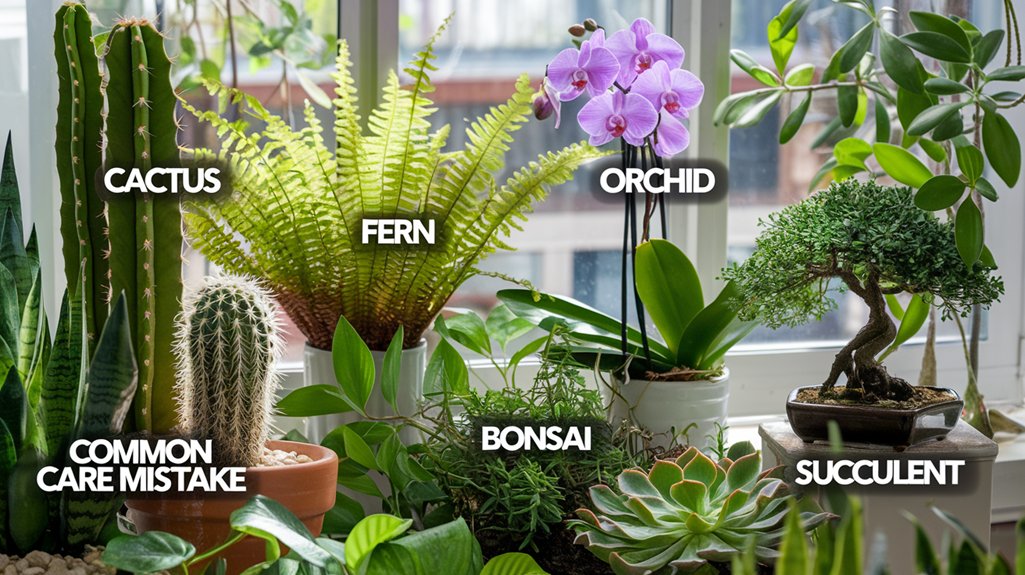
Clearly labeled so you can choose the right plant fast.

English ivy (Hedera helix) is a resilient evergreen vine from Europe, notorious in the U.S. for its invasive nature. It thrives in shaded, moist environments, scaling surfaces with aerial rootlets. While offering anti-inflammatory benefits, its ingestion risks include nausea and dermatitis. English ivy aggressively displaces native species and threatens trees. Frequent pests include aphids and spider mites, controlled by sprays. Explore further to understand its ecological impact and effective management techniques.
Although English ivy, scientifically termed Hedera helix, is indigenous to regions like Europe, Western Asia, and Northern Africa, it was introduced to the United States in the 18th century.
This evergreen perennial is renowned for its climbing vine capabilities, utilizing aerial rootlets to adhere to surfaces. The plant’s dark green, waxy leaves exhibit a fascinating transformation from juvenile lobed shapes to mature un-lobed heart forms.
Preferring moist soil, Hedera helix efficiently colonizes diverse environments, ranging from shaded forest edges to urban landscapes.
Despite its ornamental appeal, English ivy is classified as an invasive species. It aggressively outcompetes native flora, causing ecological disruption.
Its small, greenish-yellow flowers bloom late summer, maturing into black berries that birds disperse widely.
English ivy thrives in various soil types, but you’ll find it prefers well-drained, moderately fertile, and moist conditions while avoiding waterlogged or highly acidic soils.
It flourishes in part shade to full shade environments, making it suitable for areas under tree canopies. When growing indoors, guarantee bright, indirect light in summer, and some direct sun in winter. Maintain humidity through regular misting to keep the leaves healthy.
To care for English ivy effectively, follow these guidelines:
This guarantees robust growth and lush foliage.
While often admired for its aesthetic appeal, Hedera helix poses a significant ecological threat as a notorious invasive species. English ivy aggressively invades ecosystems, crowding out native plants, reducing biodiversity, and altering habitat structures. Its ability to climb trees blocks sunlight, impeding photosynthesis, leading to tree decline or death. This increases ecological disturbances, as the added weight makes trees more vulnerable to storm damage. Additionally, English ivy serves as a reservoir for bacterial leaf scorch, risking spread to other species.
| Impact | Consequence | Effect on Ecosystem |
|---|---|---|
| Tree Climbing | Impedes photosynthesis | Tree decline and death |
| Dense Growth | Crowds out native plants | Reduced biodiversity |
| Weight Increase | Heightens storm damage risk | Greater ecological disturbances |
| Bacterial Reservoir | Spreads bacterial leaf scorch | Threatens plant health |
Despite its reputation as an invasive species, Hedera helix contains bioactive compounds like polyphenols and flavonoids that exhibit anti-inflammatory and antioxidant properties, potentially aiding in the prevention of oxidative damage.
English ivy offers several health benefits but also poses risks:
Given limited research on its safety as a dietary supplement, consulting healthcare professionals is essential, especially for pregnant or nursing individuals.
In addition to its health implications, Hedera helix faces challenges from various pests and diseases that can compromise its growth and vigor.
English ivy often hosts common pests like aphids, spider mites, and mealybugs. Combat these by spraying them off with water or applying neem oil or insecticidal soap.
Bacterial leaf spot manifests as black or dark brown spots on foliage; remove affected plants to prevent spread.
Root rot, typically induced by excessive moisture and humidity, can be fatal. Swiftly remove diseased plants and treat others with fungicide.
Regularly monitor your ivy to catch infestations early, enhancing control efficacy. Maintaining plant health requires avoiding wet foliage and ensuring proper air circulation, considerably reducing disease risk.
If you’re seeking alternatives to English ivy (Hedera helix), consider plants like Virginia Creeper and American Wisteria, which promote biodiversity and contribute positively to local ecosystems.
To effectively manage English ivy, employ a combination of control methods:
Access resources on invasive non-native plant management for detailed guidance on alternatives and control strategies, safeguarding your landscape from English ivy’s invasive tendencies.
You’ve now got a thorough understanding of English ivy (Hedera helix). This plant thrives under specific conditions but requires careful management due to its invasiveness and ecological impact. While it offers health benefits, it also poses risks, so handle it cautiously. Be vigilant for pests and diseases that could affect its growth. If needed, consider alternatives or implement control methods to manage its spread effectively, ensuring your garden or landscape remains both beautiful and balanced.