

Super Fresh
Harvested and shipped within days when you order.
Fair Prices
We eliminate extra steps so you get better value.
Rated for Real Life
Clearly labeled so you can choose the right plant fast.
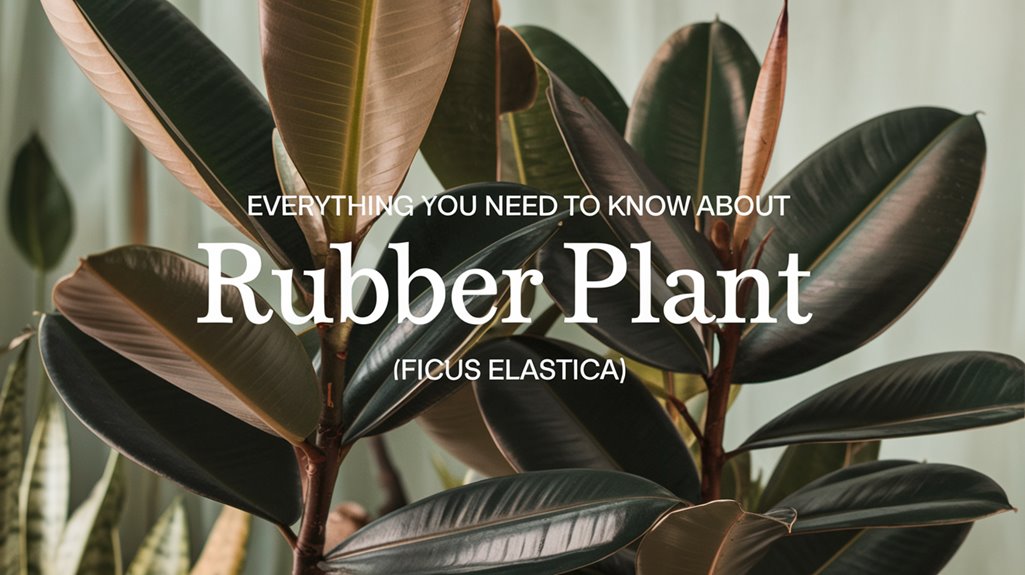
The Rubber Plant, or Ficus Elastica, originates from Southeast Asia with large, glossy leaves ideal for bright, indoor spaces. It thrives in bright, indirect light and temperatures between 60-70°F. Water when the top couple inches of soil is dry, ensuring proper drainage. Overwatering or insufficient light can lead to yellowing leaves. Regular pruning and repotting promote vigorous growth and stability. Careful attention rewards you with aesthetic elegance and improved air quality, promising engaging insights ahead.
Although Ficus elastica is commonly known as the Rubber Plant, its origins trace back to the diverse regions of Southeast Asia, spanning from the Himalayas to Sumatra, Malaysia, and Java.
This species, renowned for its ornamental greenery, features large glossy leaves, often dark green, deep maroon, or variegated. The Rubber Plant’s name derives from the milky white latex in its veins, historically utilized by Mesoamerican cultures for crafting bouncy balls.
Indoors, Ficus elastica can achieve heights of 6 to 10 feet under ideal conditions, enhancing its popularity as a decorative element.
In addition, its air-purifying capabilities make it a favored choice for improving indoor air quality, offering both aesthetic appeal and functional benefits within residential and commercial spaces.
When caring for Ficus elastica, guaranteeing ideal light and temperature conditions is essential for its health and vibrancy. This tropical species thrives under specific environmental parameters:
Adhering to these guidelines guarantees a thriving Ficus elastica.
To guarantee ideal growth of Ficus elastica, it’s crucial to follow precise watering guidelines that promote healthy roots and prevent issues like root rot. Water your plant when the top 2.5 to 5 cm of soil is dry. Make sure to use room temperature water and allow the soil to drain completely through drainage holes. Deep watering ensures the roots are adequately hydrated. During summer, Rubber Trees typically need weekly watering, while in winter, biweekly suffices. Monitor for signs of overwatering, like yellowing or dropping green leaves.
| Season | Watering Frequency |
|---|---|
| Summer | Weekly |
| Winter | Biweekly |
| Soil Dry | Top 2.5 to 5 cm |
| Water | Room Temperature |
| Signs | Yellow/ Dropping Leaves |
These guidelines help maintain vibrant, healthy Rubber Trees.
A well-draining potting mix is essential for the health of your Ficus elastica. To optimize growth and prevent waterlogging, consider these steps:
Monitor soil moisture, letting the top 2.5 – 5 cm dry before watering.
Fertilizing your Ficus elastica is crucial for its robust growth and longevity. During the active growing season in spring and summer, apply a balanced liquid fertilizer monthly. Opt for an NPK ratio suited for indoor plants to guarantee healthy growth. Avoid over-fertilization, which can cause root burn and disrupt nutrient absorption. Use half the recommended amount to mitigate risks.
| Month | Action | Notes |
|---|---|---|
| Spring | Begin fertilization | Monthly application |
| Summer | Continue fertilization | Supports chlorophyll production |
| Fall | Cease fertilization | Plant enters dormancy |
| Winter | No fertilization | Maintain root health |
Regular fertilization enhances chlorophyll production, bolsters root health, and increases disease resistance. If signs of over-fertilization like yellowing leaves appear, flush the roots with water and pause fertilization for a week.
Although rubber plants (Ficus elastica) are generally hardy, they can experience several common issues that require attentive care.
Here are key problems and solutions:
When repotting your Rubber Plant (Ficus elastica), begin by selecting a pot that accommodates its growing roots, ensuring it has drainage holes to prevent waterlogging.
Gently remove the plant from its current container, teasing the roots if tightly bound. Fill the new pot a quarter full with well-drained potting mix, essential for proper aeration and moisture control.
Place the plant in the new container, adding soil without burying it deeper than its previous depth. After repotting, water thoroughly until excess moisture drains, ensuring ideal root hydration.
Position the plant in bright indirect light to support its photosynthetic needs. Check the roots regularly and repot every 12-18 months, or when roots visibly emerge from drainage holes, following these transplanting tips.
Prune your Rubber Plant (Ficus elastica) regularly to encourage bushier growth and maintain its desired shape. Effective pruning involves strategic snipping to promote multiple stem development and manage top-heavy growth. Follow these guidelines:
Pruning guarantees a robust, aesthetically pleasing Ficus elastica.
While rubber plants (Ficus elastica) offer impressive air-purifying capabilities, effectively filtering indoor pollutants like formaldehyde and improving air quality, they also come with certain risks.
The rubber plant’s leaves exhibit strong air-purifying qualities, absorbing toxins and boosting oxygen levels, which can enhance mood and overall well-being.
However, the latex sap present in these plants is toxic to pets and can cause skin irritation or gastrointestinal distress if ingested.
Overwatering is another concern, as excess moisture can lead to root rot, compromising the plant’s health. Ensuring ideal soil moisture levels is essential.
Despite these risks, the aesthetic appeal and size of rubber plants, reaching up to 10 feet, make them a desirable addition to spacious indoor environments.
In caring for your Ficus elastica, remember its origins dictate its needs—bright, indirect light and temperatures between 60-75°F (15-24°C). Water when the topsoil dries, guaranteeing drainage to prevent root rot. Use well-draining soil, and repot when roots outgrow the pot. Fertilize during the growing season with balanced nutrients. Prune regularly to maintain shape and remove diseased parts. While it purifies air, be cautious of its latex sap, which can irritate skin. Your diligent care guarantees a thriving rubber plant.