

Super Fresh
Harvested and shipped within days when you order.
Fair Prices
We eliminate extra steps so you get better value.
Rated for Real Life
Clearly labeled so you can choose the right plant fast.
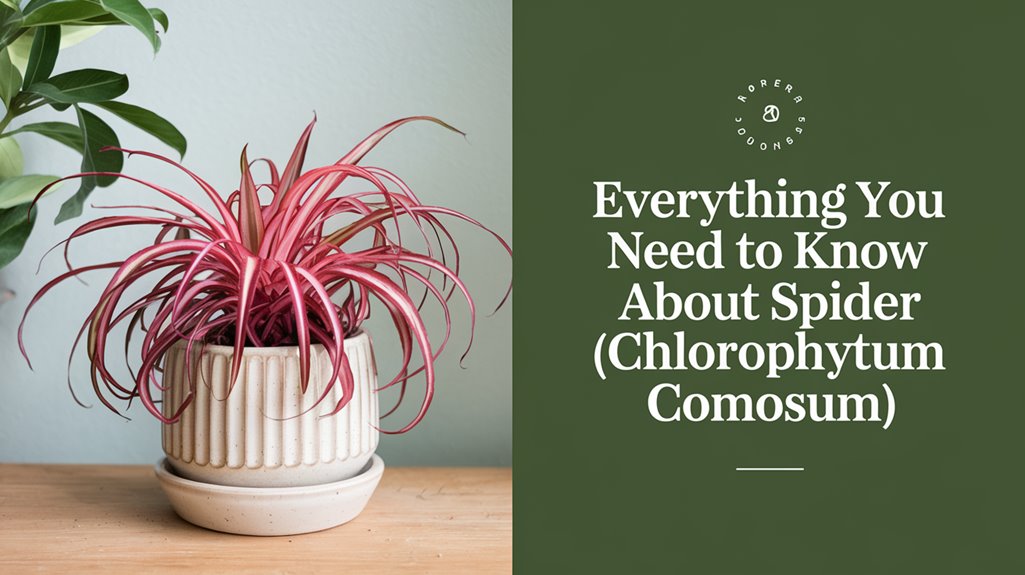
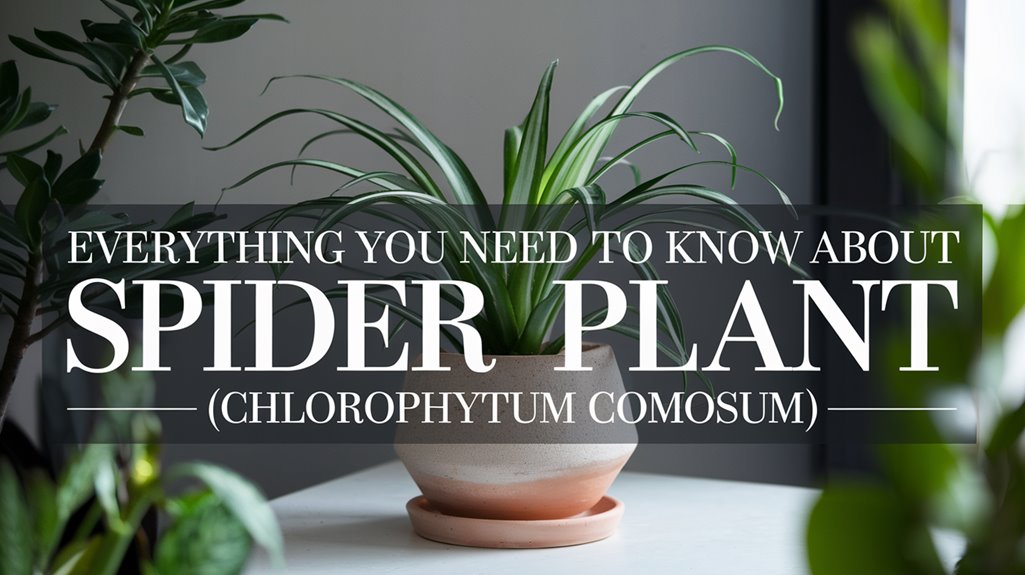
For ideal growth, place Chlorophytum comosum varieties like Variegatum and Vittatum in bright, indirect light. Use well-draining soil and water when the top inch feels dry. Maintain temperatures between 65°F-75°F with 50-60% humidity. Fertilize every two weeks in growing season, prune dead leaves, and repot every 2-3 years. Manage fluoride sensitivity and pests like spider mites with care. Engage in propagation for vibrant displays, and discover more about creative cultivation techniques.
When exploring the diverse world of spider plants, you’ll discover several enchanting varieties, each with distinct characteristics.
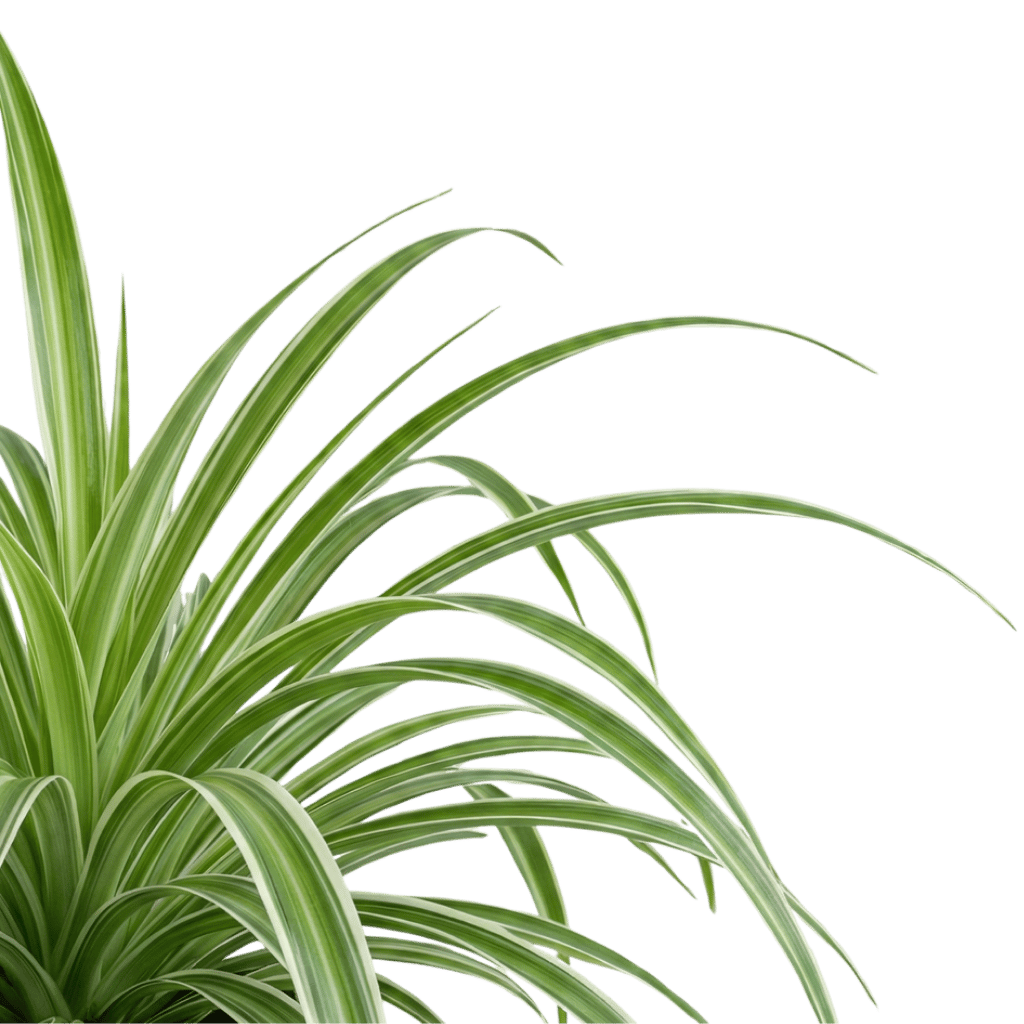
The Variegatum boasts dark green leaves with elegant white stripes, while the Vittatum variety reverses this pattern, displaying a striking white center strip flanked by green margins.
If you prefer a compact option, consider the Bonnie variety, featuring curly leaves with creamy stripes, perfect for smaller spaces.
The Hawaiian Spider Plant stands out with its variegated young leaves that morph into a solid green, reaching up to 24 inches.
Meanwhile, the Zebra Spider Plant captivates with bright yellow edges that turn white, measuring 8 to 12 inches.
Each variety enhances indoor settings with its unique aesthetic appeal and growth characteristics, enriching any botanical collection.
Although spider plants (Chlorophytum comosum) exhibit remarkable adaptability, ensuring perfect growing conditions will greatly enhance their health and aesthetics.
Spider plants prefer bright indirect light, which supports their vibrant variegation, though they can tolerate low light. Avoid direct sunlight to prevent leaf scorching.
Use well-draining potting soil in a container with ample drainage holes to avert root rot.
Perfect temperature range is 65°F to 75°F, with humidity levels around 50-60% promoting optimal growth. These conditions are typical in kitchens and bathrooms.
Engage in regular watering, ensuring even moisture by watering when the top inch of soil feels dry.
During winter, reduce watering frequency to prevent root rot, maintaining the plant’s health and vigor.
To guarantee your spider plant (Chlorophytum comosum) flourishes, focus on meticulous care and maintenance. Embrace these care tips: spider plants are easy to grow in well-draining potting soil.
Make sure the soil remains slightly moist by watering when the top inch feels dry, particularly in the spring and summer. Position your plant in bright, indirect light for ideal indoor gardening, though it tolerates low light.
Fertilize biweekly with a balanced houseplant fertilizer during active growth phases. Pruning is essential—remove dead leaves and excess spiderettes to encourage vigor.
Repot every 2-3 years or when roots are visible from drainage holes, using a container slightly larger than the root ball. These practices help you grow new plants and maintain a robust spider plant.
While proper care and maintenance guarantee your spider plant thrives, it’s equally important to address any common issues that may arise.
Brown leaf tips often signal fluoride sensitivity or excess salts; using distilled or rainwater can mitigate this. Avoid overwatering as it leads to root rot; confirm well-draining soil and water only when the top inch is dry.
Too much direct sunlight causes leaf browning, so relocate the plant to bright, indirect light. Sparse growth might mean it’s time to repot the plant or cut away plantlets, relieving root-bound conditions.
Combat pests like spider mites with insecticidal soap or rinse them away. Address these issues promptly to maintain Chlorophytum comosum’s lush foliage and overall health.
Propagating spider plants, scientifically known as Chlorophytum comosum, is an efficient way to expand your collection or share with fellow enthusiasts.
To propagate, you can cut plantlets, or spiderettes, from the parent plant once they’ve developed roots. Plant them in well-draining soil, guaranteeing the substrate remains moist to support root establishment. Alternatively, root uncut spiderettes in water until robust roots form, then transfer them to soil.
Another technique is division; during repotting, separate mature plants into clumps, creating new specimens.
Always use containers slightly larger than the root balls to encourage healthy growth. This approach guarantees each new plant has adequate space and resources, promoting vigorous development and flourishing foliage.
With these methods, propagating spider plants is straightforward and rewarding.
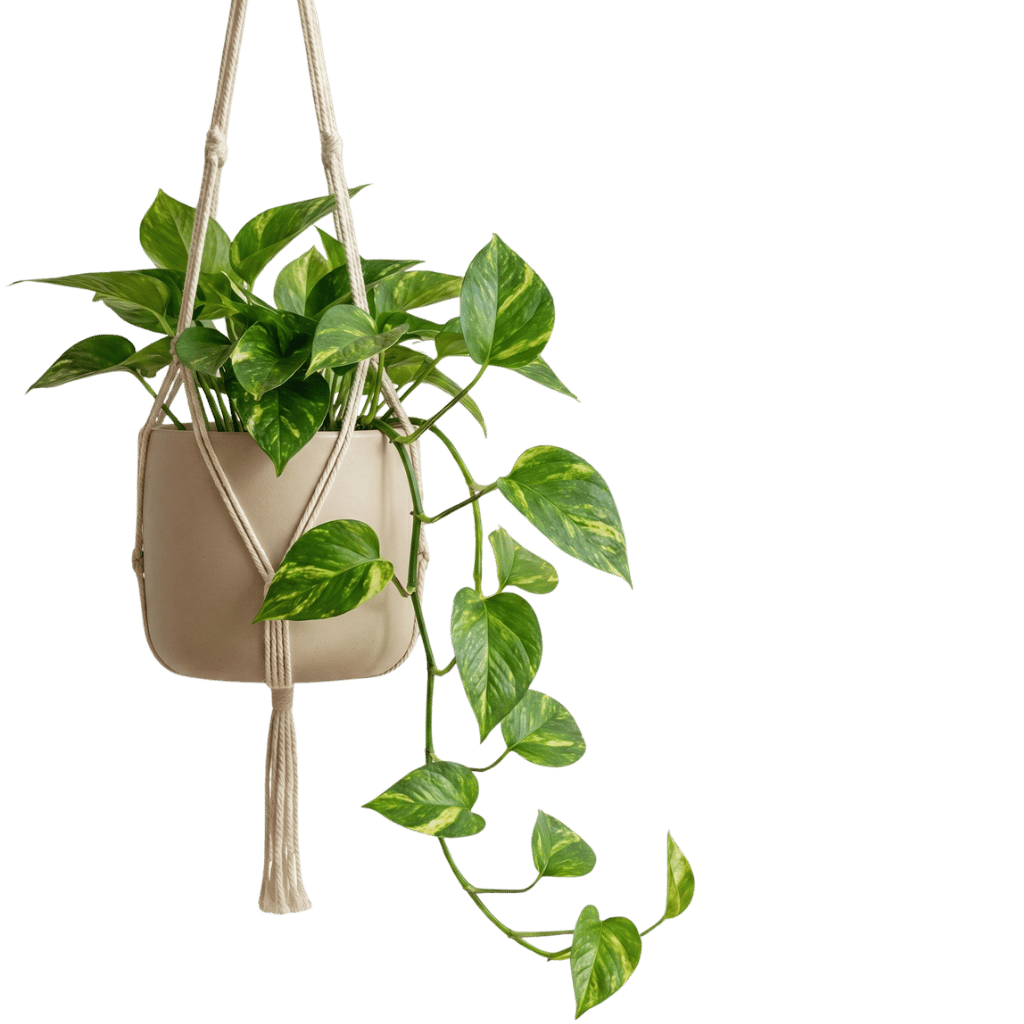
Although often appreciated for their easy care and air-purifying qualities, Chlorophytum comosum offers exciting opportunities for creative display. By utilizing decorative macramé hangers, you can transform these hanging plants into enthralling features, letting their cascading leaves become a focal point. To achieve an eye-catching display, position spider plants on pedestals or high shelves, where their trailing offshoots draw attention. Enhance your exterior with outdoor window boxes, providing a green aesthetic that thrives in indirect light. In warmer months, mixed containers allow you to combine parent plants with spiderettes, showcasing their unique foliage. For a shady garden bed, spider plants serve as effective grassy groundcover. These creative display ideas maximize their adaptability.
| Display Method | Location | Key Feature |
|---|---|---|
| Decorative macramé hangers | Indoors | Cascading leaves |
| Pedestals/high shelves | Indoors | Eye-catching display |
| Outdoor window boxes | Outdoors | Green aesthetic |
| Mixed container | Indoors/Outdoors | Unique foliage |
| Shady garden beds | Outdoors | Adaptability |
In understanding Chlorophytum comosum, you’ve explored its diverse cultivars and mastered their ideal growth conditions. By implementing proper care and maintenance practices, you’ll guarantee your spider plant thrives. You’ve learned to identify common issues and apply effective solutions, while propagation techniques offer opportunities for expansion. With creative display ideas, you can enhance your living space aesthetically. Embrace these insights to cultivate a vibrant, healthy spider plant, enriching your botanical expertise and home environment.