
Super Fresh
Harvested and shipped within days when you order.
Fair Prices
We eliminate extra steps so you get better value.
Rated for Real Life
Clearly labeled so you can choose the right plant fast.
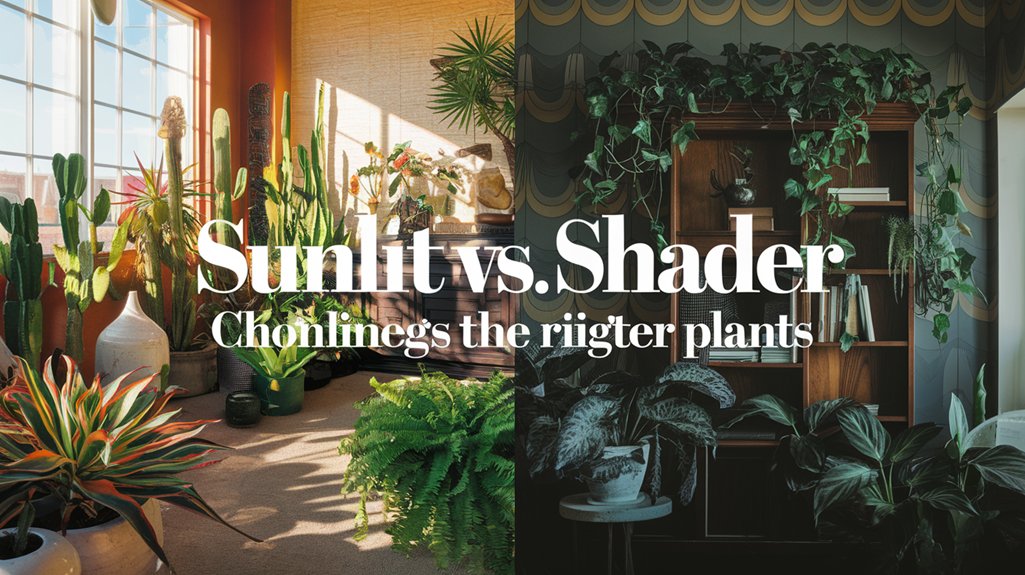
When choosing plants for sun-filled versus dark rooms, consider each species’ light needs. Full sun plants, such as succulents, need at least six hours of sunlight, while shade plants like Snake Plants thrive in low light. Assess your space’s sunlight by identifying window orientations and measuring sun exposure duration. Monitor plant health, adjusting placements as needed, and use artificial grow lights for darker areas. Discover ideal strategies to balance light conditions with plant selection going forward.
When selecting plants for your home, understanding their light requirements is essential for promoting healthy growth.
Plants needing full sun demand at least six hours of direct sunlight, and without such light conditions, they might exhibit symptoms like chlorosis, where leaves turn yellow.
Conversely, shade plants are adapted to thrive with minimal sunlight, surviving on less than two hours of direct light daily using larger leaves for efficient photosynthesis in dappled light.
For those that prefer partial sun, a balance of four to six hours of sunlight is ideal, ensuring they receive both sun and shade.
Matching these light conditions to your plants’ needs prevents stress and fosters robust growth. Always tailor your plant choice to the specific lighting environment available.
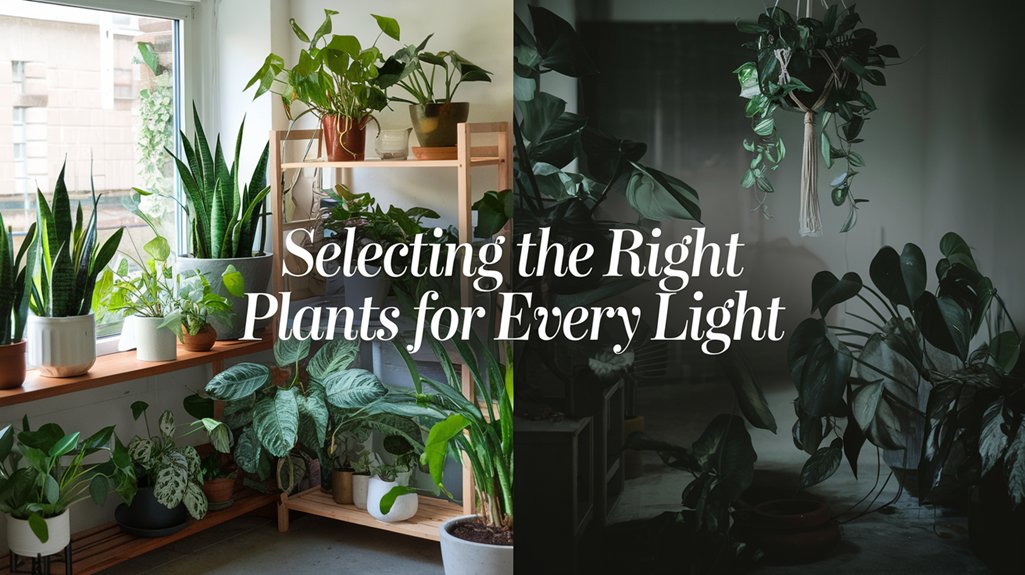
How do you determine the best places in your home for plants to thrive? Start by evaluating sunlight exposure. Identify the orientation of your windows; south-facing windows typically receive the most sunlight, while north-facing windows offer the least.
Measure the amount of direct sunlight each room receives daily. Full sun requires more than six hours of direct light, while partial shade needs less than four. Create a diagram to track hourly sunlight patterns, revealing areas with varying light conditions.
Consider seasonal shifts in sunlight due to the sun’s angle, which affects indoor plants year-round. Regularly re-evaluate light exposure, as changes in landscaping or room arrangements can alter the light available to your plants, impacting their growth and health.
After evaluating the sunlight exposure in your home, understanding the characteristics of sun-loving plants will be your next step in successful plant selection.
These plants typically exhibit resilience in high-light conditions, requiring at least 6 hours of direct sunlight daily. They’ve evolved specific traits to thrive in such environments:
Understanding these traits guarantees you select the best plants for sun-filled rooms.
Given the abundant sunlight pouring into bright, sun-filled rooms, selecting the right plants involves harnessing this natural resource to maximize growth and energy.
Prioritize sun-loving species like succulents, cacti, and flowering varieties, as they thrive with 6+ hours of direct sun exposure. These plants need thicker, smaller leaves to withstand intense sunlight, reducing water loss.
Incorporate adaptable species such as Snake Plants and ZZ Plants for areas with light shade, as they tolerate bright indirect light. Regularly monitor for plant stress signs like bleached foliage or scorched margins, adjusting their location if needed.
Due to elevated sun exposure, increase watering frequency to support their accelerated growth rates, ensuring ideal hydration for these light-demanding companions.
When selecting plants for shaded environments, it’s crucial to recognize features that indicate a plant’s ability to thrive with minimal light.
Shade-tolerant plants often exhibit morphological adaptations allowing them to capture scarce light effectively. Look for thinner leaves with an expanded surface area. This anatomical trait facilitates efficient photosynthesis under low-light conditions.
To successfully cultivate plants in low-light, dark rooms, focus on selecting species adept at thriving with minimal sunlight.
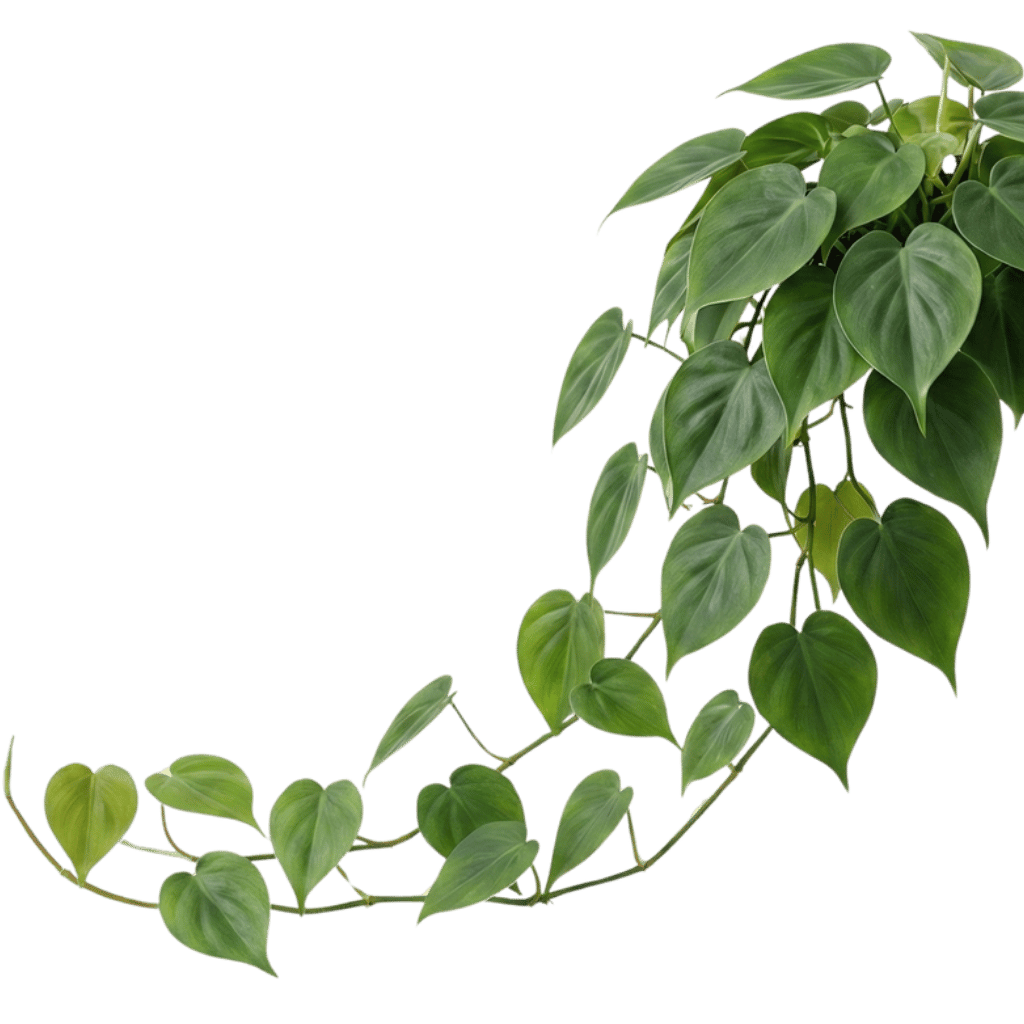
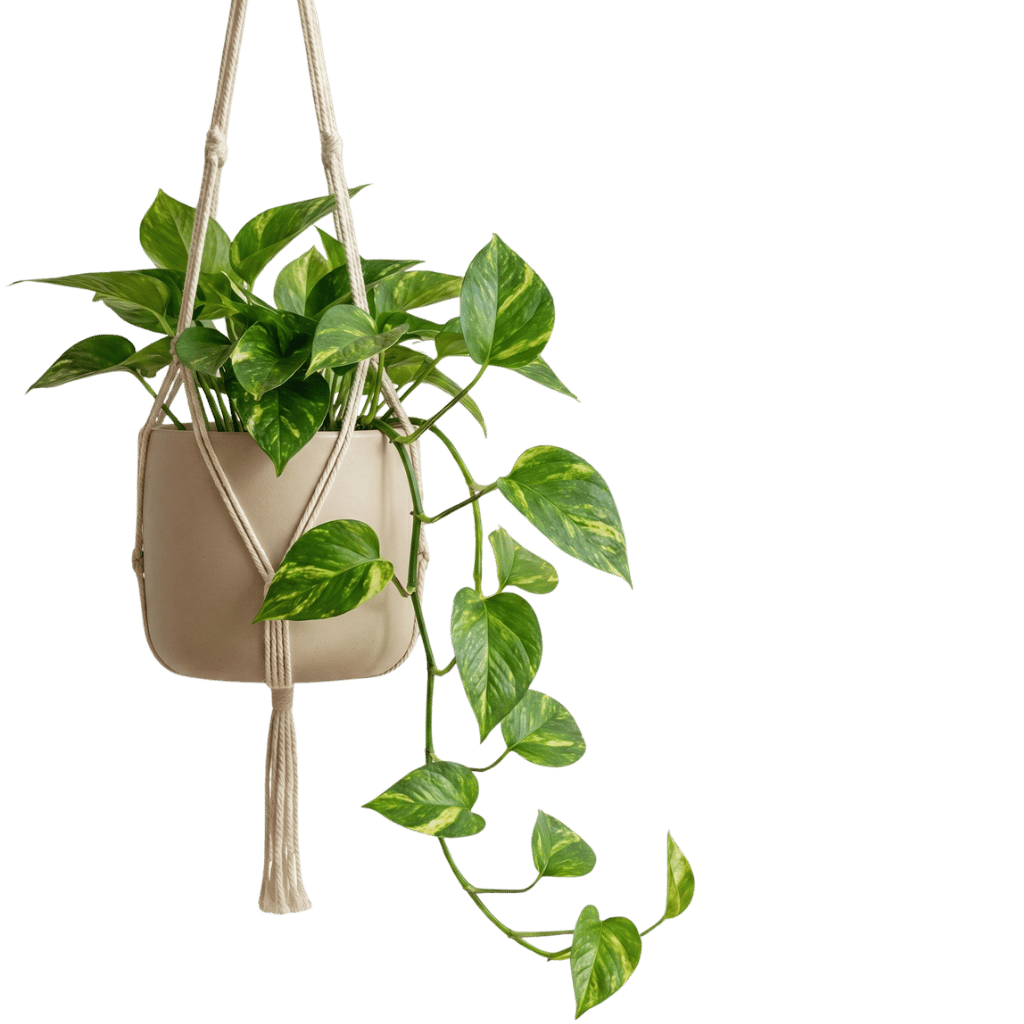
Opt for Snake Plants, Pothos, and ZZ Plants, which efficiently utilize low light and indirect light to maintain photosynthesis. These species are robust, requiring minimal intervention.
Also, consider the Peace Lily and Chinese Evergreen; they not only flourish in low-light environments but also enhance air quality by filtering toxins like formaldehyde and benzene.
Regularly assess your space’s light levels to verify selected plants aren’t stressed; yellowing leaves indicate insufficient light.
Rotating plants helps achieve uniform growth and prevents phototropism.
Artificial grow lights can supplement low-light conditions, verifying plants receive adequate photons for photosynthetic efficiency and ideal health.
Although different plants have varying light needs, successfully adapting plant care to these conditions is crucial for ideal growth.
In sun-filled rooms, select sun-loving species like succulents and cacti that thrive in full direct sunlight, requiring over six hours of exposure. For spaces with medium light, consider plants like Peace Lilies, which can adapt to varying levels.
In low-light environments, opt for Snake Plants or ZZ Plants, which can endure minimal lighting while enhancing air quality. Remember to rotate plants periodically to guarantee uniform access to light, preventing asymmetric growth.
Here’s a quick guide to optimizing light conditions:
Understanding the interplay between light conditions and plant selection is essential for cultivating a thriving indoor garden. It’s important to understand the sun’s influence and the light available in your space. South-facing windows offer abundant sunlight, ideal for heliophilic species like succulents and cacti. Conversely, north-facing areas provide limited light, necessitating low-light tolerant plants such as snake plants. Rooms with bright, indirect light can support versatile species like philodendrons. Monitoring plant health is crucial; symptoms like yellowing leaves may indicate a light mismatch. Selecting plants based on their light requirements prevents poor growth and enhances vitality.
| Light Condition | Suitable Plants |
|---|---|
| Full Sun | Succulents, Cacti |
| Low Light | Snake Plants, Pothos |
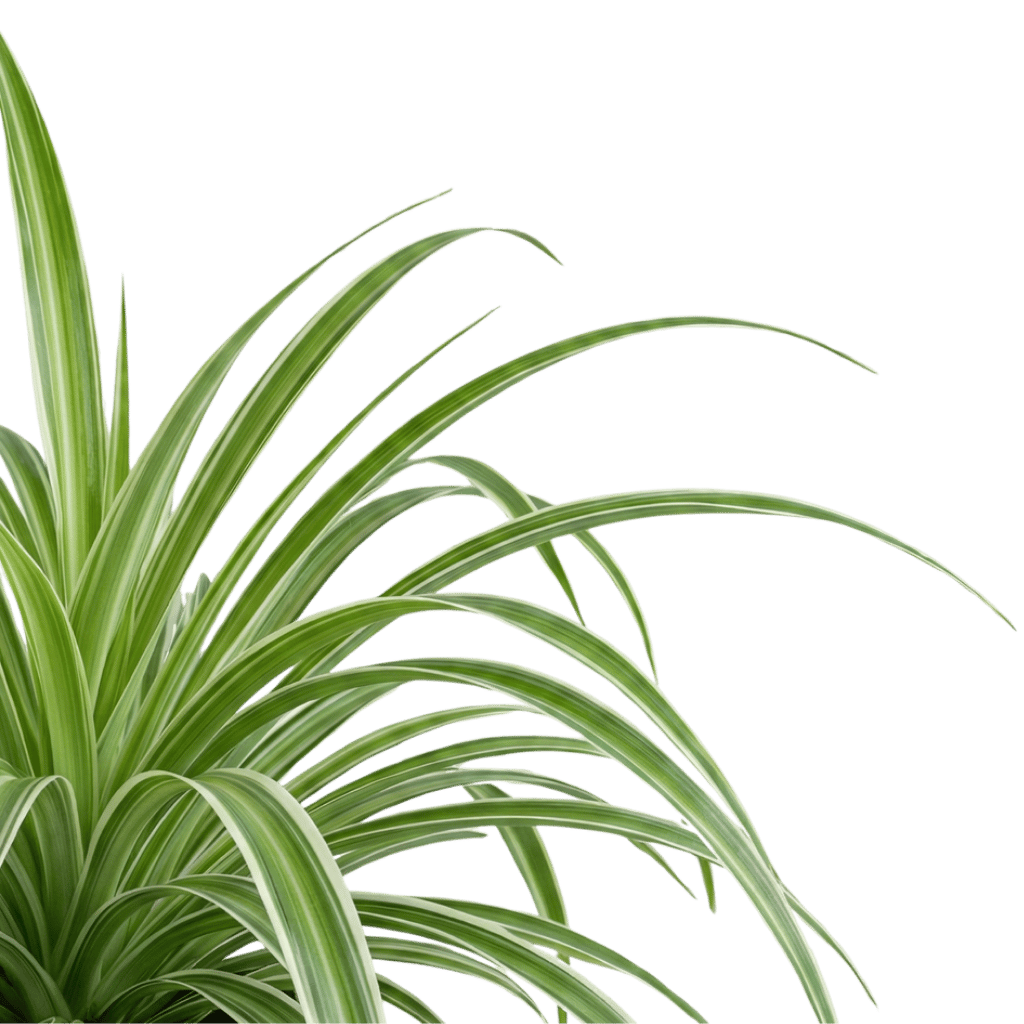
| Bright, Indirect Light | Philodendrons, Spider Plants |
Proper plant placement is essential for maximizing growth, as plants exhibit unique phototropic responses to their environment.
Start by evaluating light levels in each room to confirm your plants meet their light requirements. Experiment by relocating plants closer to windows or artificial light sources to find the best spot.
Consider these strategies:
These methods guarantee robust photosynthesis and healthy plant development.
When guaranteeing ideal plant health, it’s crucial to regularly assess their light exposure and adjust as needed.
Begin by monitoring plant health through careful observation of leaf coloration and growth patterns. Yellowing leaves or bleaching often signal excessive direct sunlight or insufficient light. Document the specific light conditions in your space, distinguishing between areas with direct sunlight and shaded zones.
If you notice signs of stress, adjust light exposure by relocating plants—bleached specimens may benefit from reduced light intensity. Track growth rates and vitality to evaluate whether your plants are thriving.
In darker areas, use artificial grow lights to supplement natural illumination, thereby optimizing conditions. Consistent monitoring and adjustments guarantee plants flourish, maintaining robust health and aesthetic appeal.
Incorporate scientific understanding to guarantee your plants flourish by aligning their light requirements with your home’s conditions. Assess sunlight exposure accurately and select species adapted to those specific light levels. Recognize sun-loving plants’ photosynthetic demands and shade-tolerant species’ adaptability. Balance light conditions through strategic placement and adaptive care. Continuously monitor plant health, adjusting light exposure as necessary to optimize growth. By doing so, you’ll create a thriving indoor ecosystem tailored to your plants’ needs.