
Super Fresh
Harvested and shipped within days when you order.
Fair Prices
We eliminate extra steps so you get better value.
Rated for Real Life
Clearly labeled so you can choose the right plant fast.

To choose the right plant online for your space, evaluate natural light by observing different times of day, use a hygrometer for humidity levels, and leverage online filters for light and size preferences. Opt for hardy varieties if low-maintenance is key and align plant care with your lifestyle, considering time commitment and pet safety. Understanding these factors guarantees plant health and aesthetic harmony. Your next steps involve deeper insights into pairing plants with your environment.
How do you determine the natural light in your space?
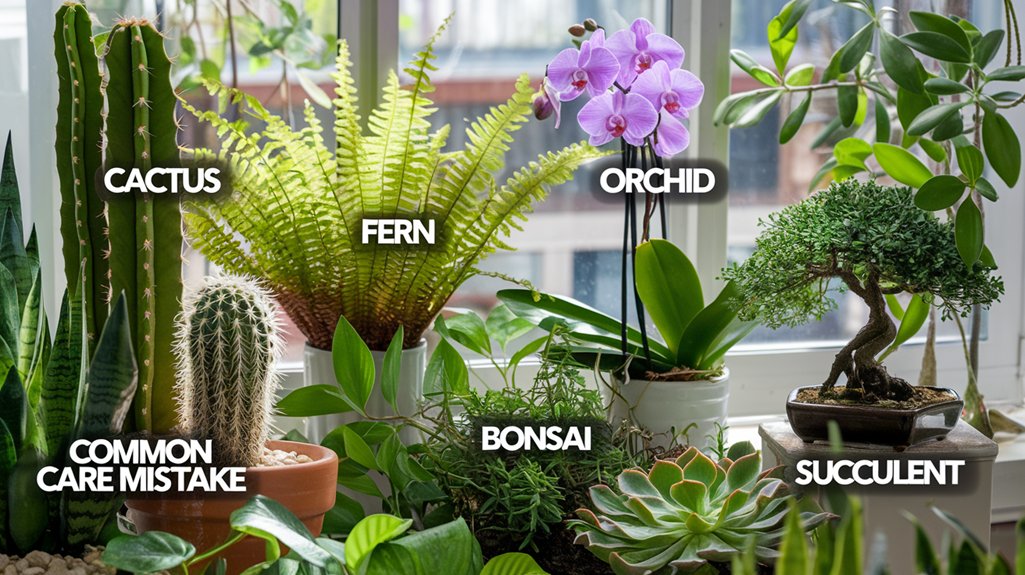
Begin by observing your environment at various times throughout the day. Identify bright, medium, or low light conditions by noting direct sunlight exposure duration. Bright areas bask in sunlight for hours, perfect for sun-loving indoor plants like succulents.
Medium-light spaces receive filtered or indirect light, suitable for a broader range of species. Low light conditions, common near north-facing windows or shaded areas, support low-light plants such as snake plants or pothos.
For precise assessment, employ a light meter or a smartphone app to gauge light intensity.
This quantitative analysis aids in accurately choosing a plant that aligns with your space’s light conditions, ensuring ideal growth and health for your indoor greenery.
Having gauged the natural light in your space, it’s equally important to contemplate another vital factor for plant health: humidity levels. Typically, indoor humidity ranges from 30% to 50%, but many houseplants thrive at 40% to 60%. Understanding these parameters will help you pinpoint the perfect plants for your environment.
Ferns, peace lilies, and tropical varieties flourish in higher humidity, making them perfect for bathrooms or kitchens. Conversely, snake plants and succulents prefer drier conditions; excessive humidity can induce leaf browning and pest susceptibility.
Employ a hygrometer to accurately assess your home’s humidity. Adjust your care routine by using humidifiers, grouping plants, or placing water trays nearby, creating a favorable microclimate for humidity-loving species.
Why sift through countless plant options when online selection tools offer an efficient pathway to finding your ideal green companion?
Online filters facilitate precise plant selection by allowing you to narrow choices based on critical parameters like size, color, and light requirements. These filters simplify the process, guaranteeing your chosen plant thrives in its designated environment. For instance, selecting ‘tall’ plants for windy areas or ‘small’ ones for shady spots is made seamless.
Furthermore, detailed descriptions accompany these filters, providing insights into care requirements and plant preferences. Pet-friendly categories guarantee safety for households with animals.
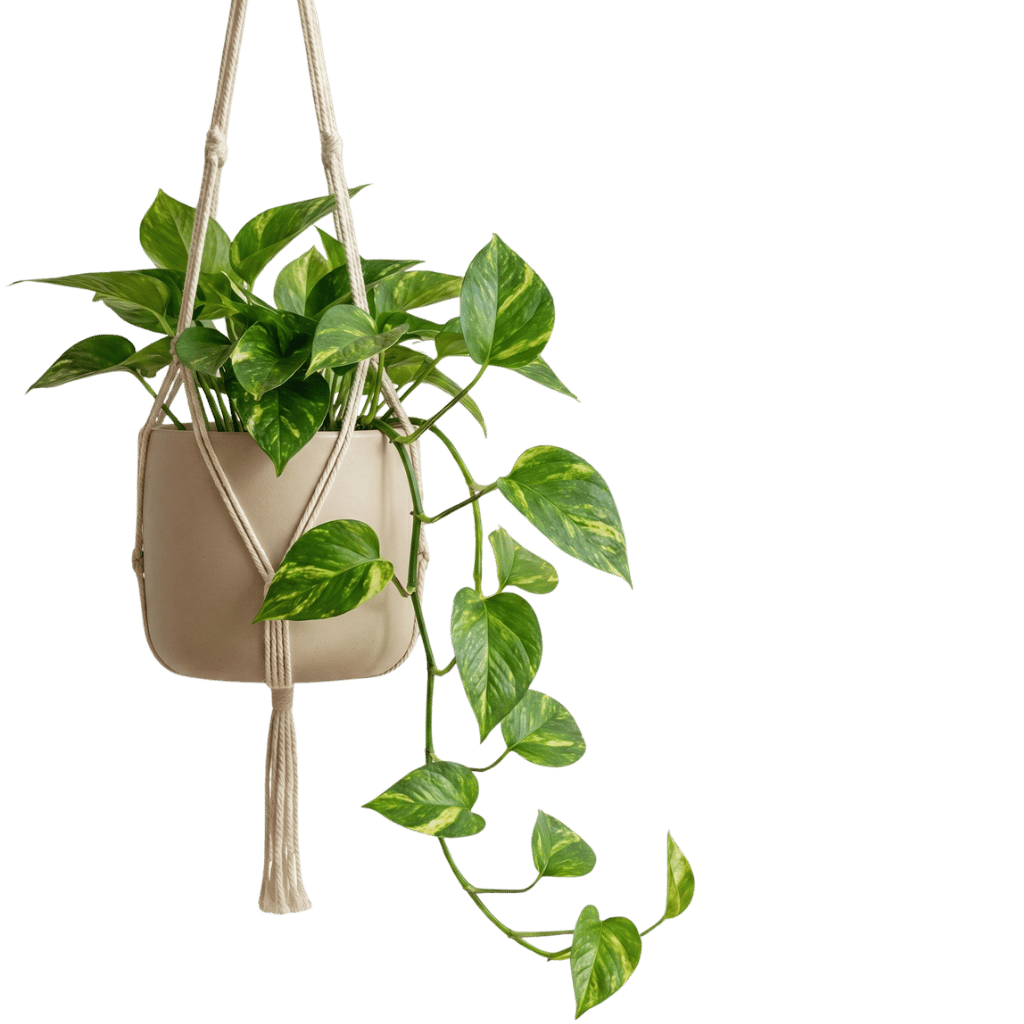
When selecting plants for a low-maintenance garden, it’s important to focus on hardy varieties that can withstand fluctuating conditions with minimal intervention. Hardy plants like Snake Plants, ZZ Plants, and Pothos are particularly resilient, tolerating a spectrum of light conditions and requiring minimal care.
To optimize your selection process, consider these strategies:
How do you guarantee your plant choices align with your lifestyle?
Begin by scrutinizing your daily schedule and travel habits to opt for low-maintenance plants like Snake Plants or Zanzibar Gems, which tolerate sporadic watering.
Assess the light conditions in your home; if natural light is scarce, select adaptable species such as Pothos or ZZ Plants capable of thriving in reduced light.
Factor in your environment’s humidity and temperature: Calatheas prefer high humidity, while succulents excel in arid climates.
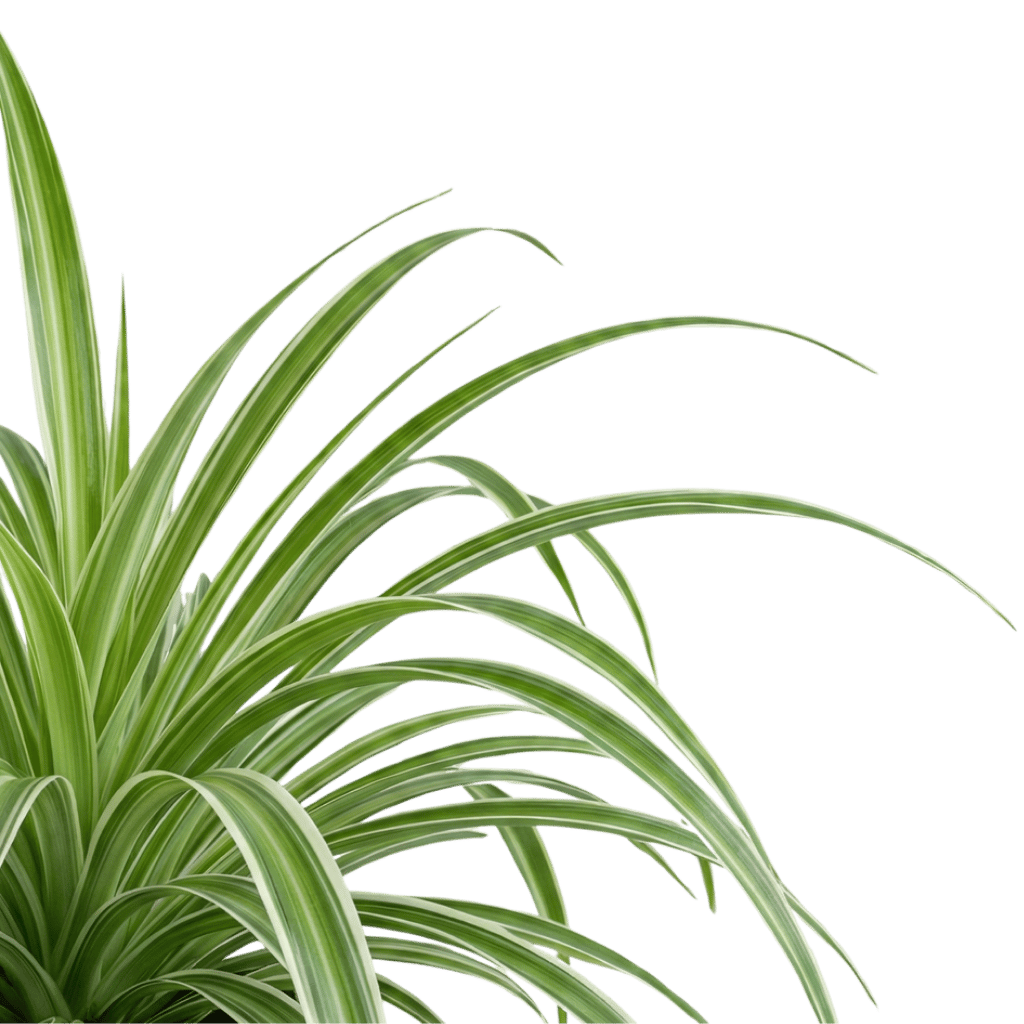
If pets are present, prioritize non-toxic varieties like Spider Plants and Boston Ferns.
Finally, evaluate your time commitment for plant care; novices might favor resilient options like Dracaena, whereas seasoned horticulturists could engage with more demanding, intricate species.
After aligning your plant choices with your lifestyle, it’s time to contemplate the spatial dynamics of your home.
Consider these factors to find the perfect plant size:
Understanding and implementing proper watering practices is essential for the health and vigor of your plants.
Begin by monitoring soil moisture levels; this prevents overwatering, which often leads to root rot. Every plant has specific water needs, and self-watering planters can help regulate moisture, reducing your watering frequency.
Remember, watering frequency should increase during the growing season and decrease in the dormant months.
Consider the humidity levels in your environment—drier homes necessitate more frequent watering.
Adopting a consistent watering schedule is beneficial, yet adjustments must be made based on each plant’s requirements, considering factors like pot size, plant size, and environmental conditions.
With these scientific strategies, you’ll optimize plant health through precise moisture management.
When considering the alignment of plant choices with aesthetic preferences, it’s essential to evaluate both visual harmony and practical care needs.
Start by identifying the aesthetic you aim to achieve. Do you prefer a lush, jungle ambiance or a minimalist aesthetic with sleek, architectural plants like the Snake Plant?
Evaluate the light conditions in your space to guarantee they align with your chosen plants’ requirements. Use plant selection websites’ filters to focus on light compatibility, guaranteeing aesthetic harmony.
Here’s how to strategically align plants with your aesthetic:
As you navigate the world of houseplants with pets in mind, it’s crucial to prioritize the safety of your furry companions by selecting non-toxic plant species.
Explore pet-safe options like Spider Plants, Boston Ferns, and Calathea, which are safe for animals if ingested. To avoid hazardous varieties, research plant toxicity levels using reliable sources or plant databases.
Avoid species such as Lilies and Oleander, notorious for their toxicity to pets. Strategically place non-toxic plants out of reach, as ingestion in substantial amounts might still induce mild digestive disturbances.
Seek out plants specifically marketed as pet-friendly, and verify their safety through certifications from organizations like the ASPCA. Always monitor your pets’ behaviors around new plants and consult a veterinarian if needed.
In summary, selecting the ideal plant for your space involves a multifaceted analysis. Assess your space’s natural light and humidity levels with precision. Utilize online filters to pinpoint hardy, low-maintenance varieties. Match plant care routines with your lifestyle needs and consider the best plant size for your environment. Prioritize proper watering techniques and align your choices with aesthetic desires. Finally, make sure plant selections are pet-safe, safeguarding your home’s ecosystem. Employ these strategies for expert, informed decisions.