
Super Fresh
Harvested and shipped within days when you order.
Fair Prices
We eliminate extra steps so you get better value.
Rated for Real Life
Clearly labeled so you can choose the right plant fast.
To create a care routine for your first air-purifying plants, start by understanding their specific light requirements. Use a light meter or observe for changes that signify distress. Consistent moisture levels tailored to each plant’s needs are essential, so check soil dryness and adjust watering schedules accordingly. Maintain 40-60% humidity for best health, and clean leaves to improve photosynthesis. Strategic plant placement and regular monitoring enhance air purification. Developing these skills will deepen your knowledge.
How do you determine the right light conditions for your air purifying plants? Start by identifying each plant’s specific light needs.
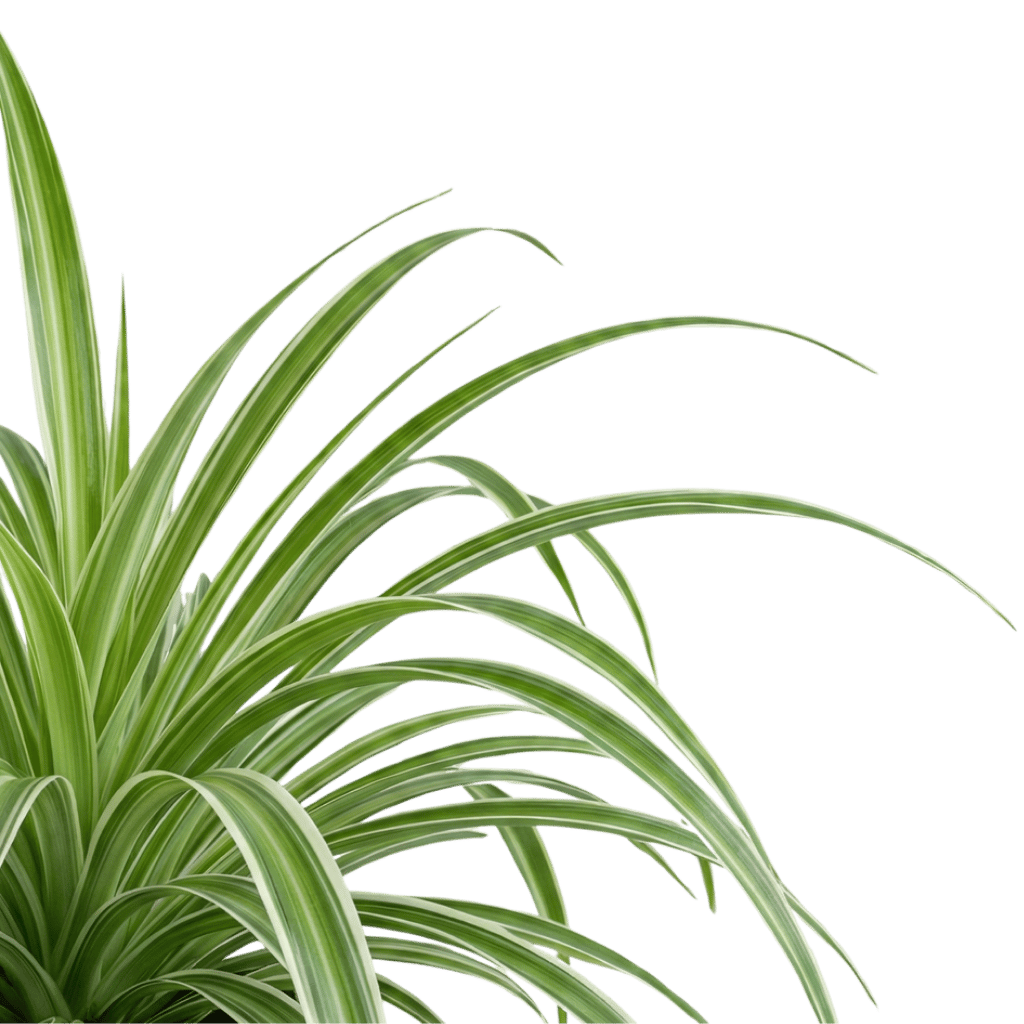
For example, snake plants tolerate low light, while peace lilies thrive in low to partial shade and bright indirect light. Spider plants enjoy bright, indirect light but adapt to lower levels, though flowering might diminish. Rubber plants need medium to bright indirect light; insufficient light turns their leaves yellow.
Monitor light intensity with a light meter or observe your plants for signs of distress, like leggy growth or pale leaves. Adjust their placement accordingly, guaranteeing they receive adequate light.
If natural light falls short, supplement with grow lights. Consistent plant care and light adjustments will guarantee your plants remain vibrant and healthy.
Creating an effective watering schedule is essential for maintaining the health of your air-purifying plants. Start by understanding each plant’s needs; for instance, Snake Plants typically require watering every 2-6 weeks, while Peace Lilies thrive with water every 10-14 days.
Regularly monitor soil moisture by checking if the top 1-2 inches are dry. This prevents overwatering, especially for plants like Rubber Plants, which prefer the soil 30% dry. Always use pots with drainage holes to prevent root rot by allowing excess water to escape.
Adjust your watering frequency with seasonal changes, as plants need less water during winter. A moisture meter can provide precise soil moisture readings, ensuring a consistent and efficient watering routine.
Understanding and maintaining the right humidity levels is vital for the health of air purifying plants. Aim to keep these levels between 40-60%, as this range supports their transpiration and overall well-being. Use a hygrometer to monitor indoor humidity levels accurately.
For tropical plants like Peace Lilies and Boston Ferns, higher humidity is essential, while succulents and Snake Plants thrive in drier conditions. Group plants with similar moisture level needs together to enhance their environment.
During dry winter months, regularly mist your plants to increase humidity and prevent leaf browning. A tray with water and pebbles beneath your plants can create a micro-humidity zone, ensuring adequate moisture levels without overwatering. Adjust as necessary to maintain ideal plant health.
To guarantee your air-purifying plants thrive, position them in areas with indirect sunlight to prevent leaf burn while promoting ideal growth.
Make certain to accommodate their light needs while also enhancing air filtration. Here’s how you can position your plants for best growth:
These steps guarantee your plants grow healthily and purify air efficiently.
Maintaining the cleanliness of your air-purifying plants’ leaves is essential for ideal photosynthesis and air purification. Regularly dust the leaves using a damp cloth every 1-2 weeks. This simple step enhances their ability to photosynthesize and improves air purification efficiency by preventing dust buildup that can block sunlight.
For larger plants, use a soft brush or microfiber cloth to gently clean hard-to-reach areas without damaging the leaves. Choose a cleaning solution that’s plant-safe—plain water usually does the trick. Avoid harsh chemicals that might harm the foliage.
During cleaning, monitor for any signs of pests or mold, as maintaining leaf cleanliness can help prevent infestations. By following these steps, your air-purifying plants will thrive, ensuring a healthier environment.
Although your air-purifying plants might seem vibrant and healthy at first glance, subtle signs of stress can indicate underlying issues that need attention.
Effective plant care involves recognizing these signs early to prevent further damage. Here’s what to look for:
Regular inspection and adjustments can help maintain your plants’ health.
Recognizing signs of plant stress lays the groundwork for optimizing your plants’ environment, and selecting the right soil and containers is an essential step in this process.
Start with a high-quality potting mix that includes peat moss, vermiculite, and perlite. These components guarantee good drainage and moisture retention, fundamental for the health of your air-purifying plants.
Choose containers with drainage holes to prevent root rot—excess water can suffocate roots. Opt for pots 1-2 inches larger in diameter than the root ball, providing room for growth and avoiding overwatering.
Terracotta or clay pots are ideal for moisture-loving plants, as they absorb excess moisture.
Regularly check the soil condition, replacing it when compacted or nutrient-depleted to maintain plant health.
Anyone looking to integrate air-purifying plants into their daily routine can start by dedicating a specific time each day for plant care. This consistent approach enhances plant health and indoor air quality.
Here’s how you can include plant care in your day:
These steps guarantee your plants thrive and improve your indoor environment.
To guarantee your air-purifying plants remain healthy throughout the year, adapting your care routine to accommodate seasonal changes is key.
In winter, adjust care by reducing watering frequency. Indoor plants grow slower due to lower light levels, needing less water.
Come spring, increase watering and consider repotting to provide more nutrients as they enter their growing season.
During summer, move plants closer to windows to make certain they get enough bright, indirect light. This adjustment supports ideal growth with the longer days.
In fall, monitor humidity levels since indoor heating can dry the air. Misting or using humidity trays helps maintain moisture.
Rotate your plants regularly all year to make certain of even light exposure, preventing them from leaning toward their light source.
Although the placement of air-purifying plants might seem trivial, it plays an essential role in maximizing their effectiveness.
To enhance indoor air purification, consider these strategic plant placement tips:
Regularly rotate plant placements for even growth and to prevent dust buildup.
To guarantee your air-purifying plants thrive, integrate these care steps into your routine. Recognize each plant’s light requirements and adjust their placement accordingly. Stick to a consistent watering schedule while monitoring humidity levels to mimic their natural habitat. Keep leaves clean to maximize their air-filtering ability and choose the right soil and containers to support growth. Adapt your care techniques as seasons change, and strategically position plants to enhance air purification throughout your space.