

Super Fresh
Harvested and shipped within days when you order.
Fair Prices
We eliminate extra steps so you get better value.
Rated for Real Life
Clearly labeled so you can choose the right plant fast.

Transform indoor spaces by using air-purifying plants that target city pollutants. Select species like Snake Plant for benzene and Rubber Plant for general impurities. Place them strategically near natural light and air vents for ideal performance. Enhance soil health with organic matter to boost air-cleansing microorganisms. Combine various plant types with air purifiers for superior indoor air quality. Discover how these strategies seamlessly enhance your environment.
When it comes to selecting the right air-purifying plants for your indoor space, understanding their specific pollutant-filtering capabilities is crucial.
To combat indoor air pollution effectively, consider plants like the Snake Plant and Peace Lily, renowned air purifiers. The Snake Plant excels in removing benzene and thrives in low light, making it ideal for various indoor environments.
Meanwhile, the Peace Lily offers robust air-purifying abilities against xylene and trichloroethylene, albeit requiring more humidity.
For broader pollutant absorption, include the Rubber Plant, which complements other species by addressing different pollutants.
By diversifying your selection, you enhance the overall air quality of your indoor environment.
Prioritize plants with proven air-purifying abilities to guarantee a healthier living space.
Having chosen your air-purifying plants, strategically placing them is key to maximizing their effectiveness.
Position larger, leafier plants like the Snake Plant near windows to capitalize on natural light, boosting their air-purification benefits. For ideal placement, guarantee good airflow by positioning plants in living rooms or near air vents, which enhances circulation and allows plants to filter air more efficiently.
Use a variety of plant species to target different air pollutants: Spider Plants excel at removing formaldehyde, while Bamboo Palms effectively tackle benzene. Grouping plants can create a humid microenvironment, improving their ability to absorb carbon dioxide and other pollutants.
Avoid drafty spots, as stable conditions are essential for plants improving indoor air quality.
To optimize the air-purification capabilities of your indoor plants, enhancing soil microorganisms is key.
These microorganisms, including beneficial bacteria like mycorrhizal fungi, play a vital role in breaking down pollutants and aiding nutrient cycling. This process not only removes harmful substances but also improves plant health.
Organic matter, such as compost or worm castings, enriches the soil, stimulating microbial activity and fostering a vibrant ecosystem.
Regular soil aeration enhances oxygen flow, promoting microorganism growth and activity, which boosts air purification.
Maintaining a slightly acidic to neutral pH (6.0 to 7.0) is essential, as most soil microorganisms thrive in this range.
Although individual plants have their benefits, combining multiple species indoors can considerably amplify air purification effectiveness. Different plants target specific pollutants, enhancing indoor air quality. For instance, English Ivy, areca palm, and mother-in-law’s tongue can remove toxins like formaldehyde and benzene. A NASA study highlights that a diverse selection of plants purifies the air more efficiently.
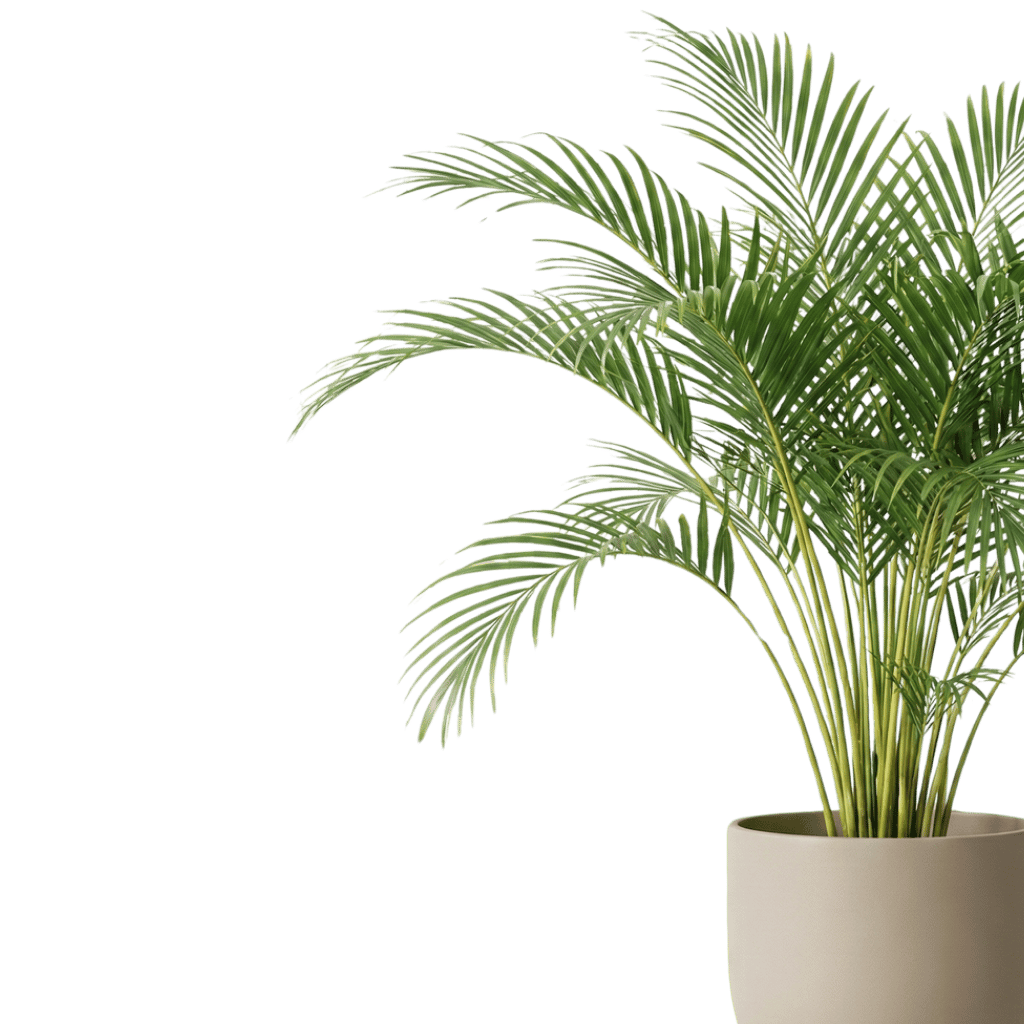
Placing various plants in well-lit areas maximizes their air-cleansing potential. You should consider each plant’s light and humidity requirements to optimize their capabilities. Larger and leafier specimens, like the areca palm, are among the best plants for removing contaminants.
| Plant Species | Target Pollutants |
|---|---|
| English Ivy | Formaldehyde, Benzene |
| Areca Palm | Formaldehyde |
| Mother-in-law’s Tongue | Benzene, Carbon Monoxide |
| Peace Lily | Formaldehyde, Benzene |
Building on the benefits of combining multiple plants indoors, integrating air purifiers with plants can elevate indoor air quality to new heights.
The natural air filtration abilities of Weeping Fig and Chinese Evergreen are complemented by air purifiers’ rapid removal of pollutants. This synergy maximizes the air-purifying capacity, particularly against volatiles organic compounds.
Large, leafy plants like pothos plants, when placed in bright light, can enhance this effect. They also increase humidity, preventing dryness and improving air purifier efficiency.
Additionally, plants such as the Spider Plant and Peace Lily absorb toxins like formaldehyde. This combination reduces stress and addresses a broader range of indoor air quality issues, creating a healthier, more balanced environment.
To effectively reduce indoor city pollution, select air-purifying plants like spider plants and peace lilies, and place them strategically for ideal air circulation. Enhance the soil with beneficial microorganisms to boost pollutant absorption. Combine multiple plant types to maximize their collective impact. For best results, integrate these plants with air purifiers to tackle a wider range of pollutants. By leveraging both natural and technological solutions, you’ll create a healthier indoor environment.