
Super Fresh
Harvested and shipped within days when you order.
Fair Prices
We eliminate extra steps so you get better value.
Rated for Real Life
Clearly labeled so you can choose the right plant fast.
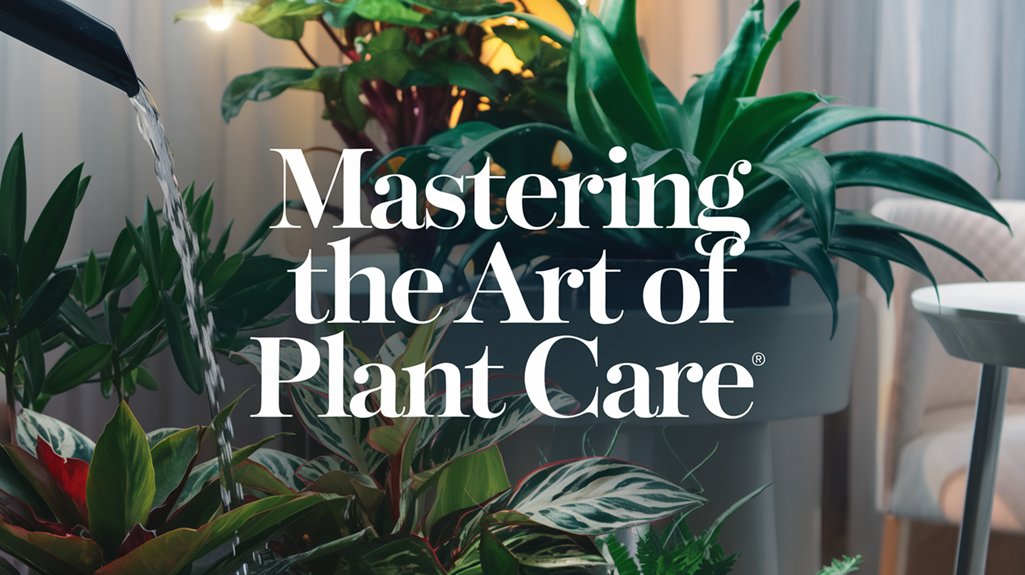
To water air-purifying plants correctly, assess soil moisture by inserting a finger into the soil or using a moisture meter. Use a long-spout watering can to avoid overflow and guarantee even distribution. Water in the morning or late afternoon, adjusting frequency based on the season. Look for signs of overwatering, like yellow leaves, and underwatering, like wilting. With these techniques in place, you’ll achieve ideal hydration and optimize plant health, setting the stage for deeper insights.
Proper watering is vital for the health and effectiveness of air-purifying plants because it directly influences their ability to remove toxins from the air.
When watering plants, it’s important to know that both overwatering and underwatering can compromise plant health. Overwatering leads to root rot, while underwatering causes dehydration, both detrimental to the plant’s air purification abilities.
To guarantee ideal moisture levels, you should monitor soil conditions and adapt your watering techniques accordingly. Top watering until excess water drains helps maintain even moisture distribution and prevents salt buildup.
Seasonal variations also play a role, as plants generally require more water during active growth periods in spring and summer.
Understanding these factors is significant to maintaining a healthy, toxin-free indoor environment.
Accurately evaluating soil moisture levels is essential for maintaining the health of your air-purifying plants. Start by inserting your finger into the soil up to the first knuckle; if it’s dry, it’s time to water.
However, surface dryness doesn’t always mean the roots are dry. Hence, examine deeper soil moisture for a true evaluation. For larger pots, using a moisture meter offers a detailed picture of moisture throughout the root zone.
Remember, different pot materials, like porous options, affect moisture retention, so keep track of these variations. Regularly monitoring soil moisture prevents issues such as overwatering or underwatering, which can harm your plants.
Selecting effective watering tools is vital for maintaining the health of your air-purifying plants. When watering your plants, it’s a good idea to use tools that guarantee peak moisture levels without causing harm.
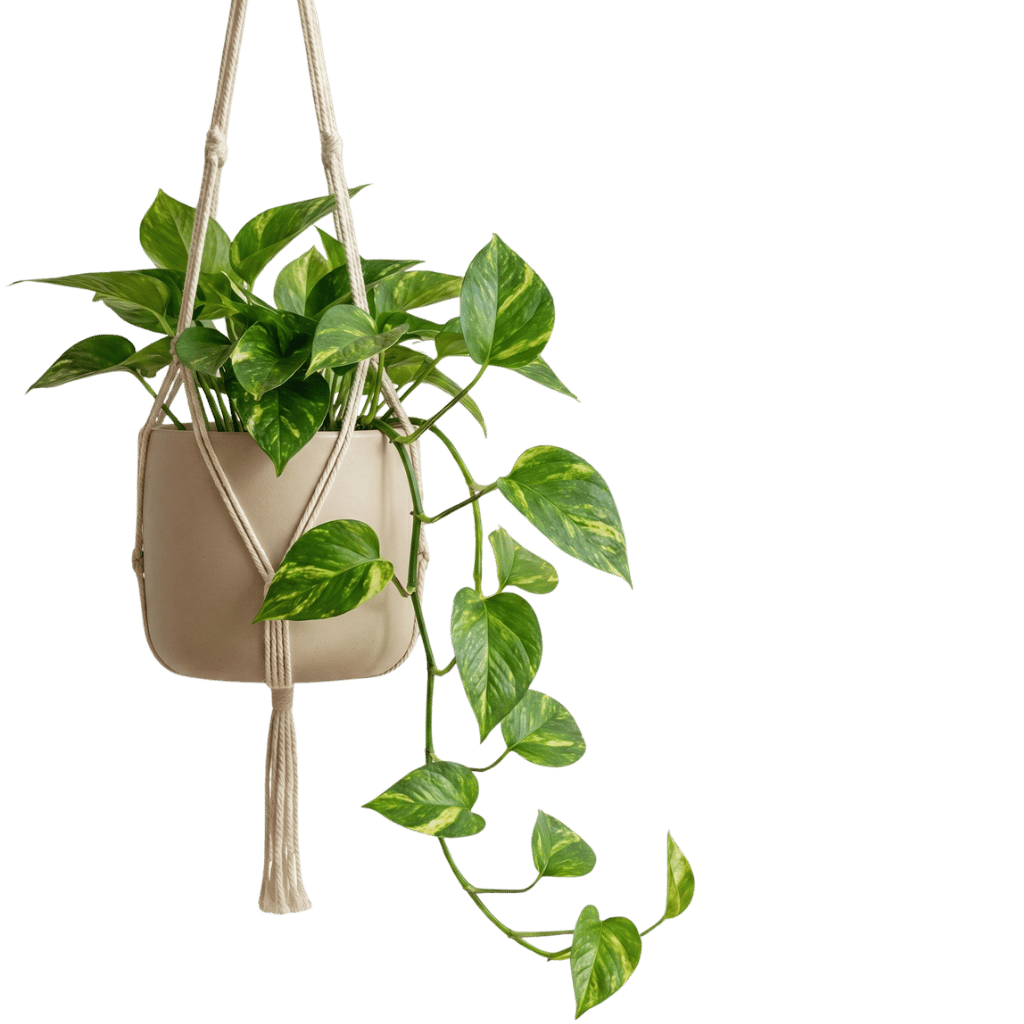
A long-spout watering can is particularly useful for reaching hanging plants and prevents water overflow, providing even moisture distribution. Consider a moisture meter to accurately assess soil moisture, helping you avoid overwatering.
Pots with drainage holes are important, preventing excess water accumulation and root rot risks. Additionally, use saucers under pots to catch excess water, making sure plants aren’t left sitting in water.
Timing is vital when it comes to watering your air-purifying plants. Watering in the morning or late afternoon allows leaves to dry before nightfall, minimizing fungal disease risks.
During the growing season, your plants need more frequent watering; however, their needs decrease considerably in winter. It’s essential to assess soil moisture rather than relying solely on surface dryness. Utilize a moisture meter or check moisture depth with your finger to determine if watering is necessary.
Environmental factors like temperature and humidity also influence how quickly soil dries out, so adjust your schedule accordingly.
As the seasons change, so do the watering requirements of your air-purifying plants, making it crucial to adjust your practices accordingly.
During spring and summer, plants often need more frequent watering due to increased evaporation and transpiration. Conversely, in fall and winter, reduced light and cooler temperatures slow growth, requiring less frequent watering.
Monitoring soil moisture is essential; a moisture meter can guarantee precise plant care. Also, consider specific plant needs—tropical varieties might still need regular watering if indoors and warm.
Seasonal humidity impacts watering frequency too; lower winter humidity can cause quicker soil drying.
Monitoring your plant’s water needs goes hand in hand with recognizing signs of overwatering and underwatering. Overwatering often manifests as yellowing leaves, a mushy plant texture, and a foul odor from the soil, indicating potential root rot due to oxygen deprivation.
Underwatering, on the other hand, is evident through dry, crispy leaf tips, wilting, and soil pulling away from the pot’s edges. To prevent these issues, regularly check soil moisture using your finger or a moisture meter.
Adjust the watering frequency based on seasonal changes, as plants typically need more water during warmer months. Observing your plant’s overall health is essential. Tailor your care to its specific needs to maintain ideal hydration and prevent overwatering or underwatering.
When determining the watering needs of air-purifying plants, you must consider several essential factors.
Watering frequency is primarily influenced by the plant type; for instance, peace lilies need consistently moist soil, whereas snake plants do well with infrequent watering.
The pot size also matters; larger pots retain moisture longer, reducing the need for frequent watering compared to smaller pots that dry out faster.
Soil composition plays an important role too. Well-draining soils require more frequent watering as they dry out quickly, unlike heavier soils that hold moisture.
Finally, environmental conditions, including temperature and humidity, directly affect evaporation rates. Warmer, drier climates increase watering frequency, while cooler, humid conditions decrease it.
Understanding the factors affecting watering needs lays the groundwork for efficient watering practices.
Begin by watering air-purifying plants thoroughly around the entire root zone to guarantee even moisture distribution. Avoid the pitfall of concentrating on just one spot.
Utilize a moisture meter or your finger to check soil moisture since surface dryness isn’t always indicative of root moisture levels. Water your plants during the morning or afternoon so leaves dry before being moved indoors, preventing fungal diseases.
Choose pots with drainage holes to avoid waterlogging, which can lead to root rot.
Adjust watering frequency based on environmental conditions like temperature and humidity; warmer, drier climates may necessitate more frequent watering.
Repotting plants may also require adjusting your watering practices to accommodate their new environment.
To maintain healthy air-purifying plants, it’s crucial to thoroughly water them around the entire root zone, ensuring excess water drains from the pot’s drainage holes to prevent root rot.
Regularly check soil moisture; use a moisture meter for larger pots or your finger for smaller ones to assess moisture levels accurately.
Water in the morning or afternoon to allow excess moisture to evaporate before evening, reducing mold risk.
Be mindful of your home’s humidity and temperature, as these factors influence soil drying rates, affecting watering frequency.
In summary, mastering the art of watering air-purifying plants is essential for their health and efficiency. By regularly evaluating soil moisture and using appropriate tools, you guarantee ideal hydration. Schedule your watering thoughtfully, adjusting for seasonal changes, and watch for signs of overwatering or underwatering. Consider various factors affecting water needs and apply efficient practices to maintain robust plants. With careful attention, you’ll foster a thriving environment, enhancing your home’s air quality and overall ambiance.