


Super Fresh
Harvested and shipped within days when you order.
Fair Prices
We eliminate extra steps so you get better value.
Rated for Real Life
Clearly labeled so you can choose the right plant fast.
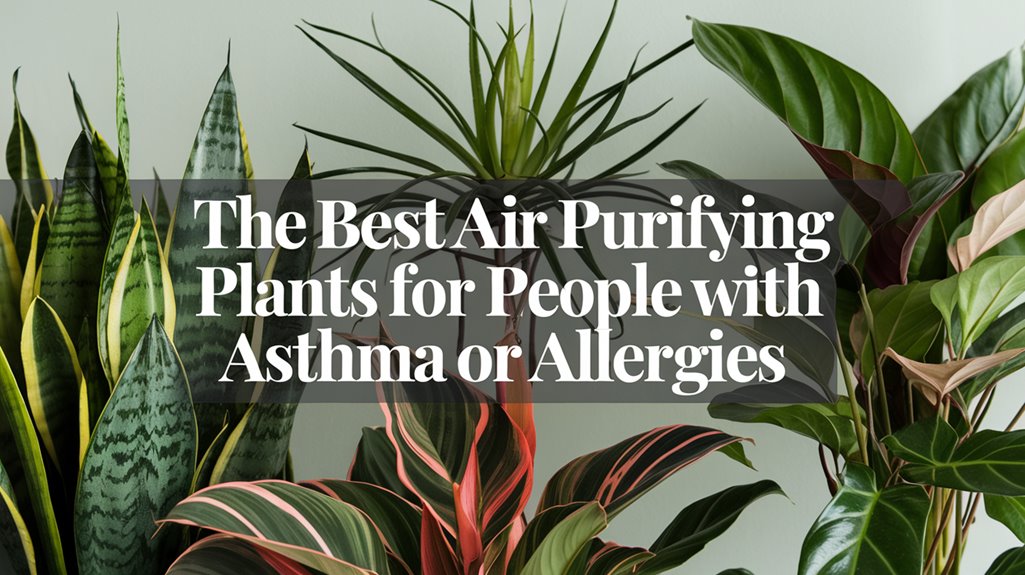
Improve air quality and reduce allergens in your home by choosing plants like the Snake Plant and Peace Lily. These are excellent for people with asthma or allergies due to their air-purifying abilities and low allergenic potential. The Snake Plant releases oxygen at night, while the Peace Lily can enhance air quality by up to 60%. Proper care, like dusting leaves and using well-draining pots, optimizes their benefits. Discover more about creating an allergy-friendly environment.
While indoor air quality mightn’t be the first thing on your mind, it’s crucial to understand how plants can play a role in improving it.
Indoor plants like the Peace Lily and Snake Plant are effective at purifying the air by filtering out pollutants such as benzene and formaldehyde. These harmful substances can worsen asthma and trigger allergies.
The Snake Plant is particularly beneficial for asthma sufferers because it releases oxygen at night, enhancing respiratory health. Allergy sufferers should also consider low-pollen options like the Peace Lily to reduce airborne pollen exposure.
To maximize benefits, keep your plants dust-free and well-maintained. Regularly clean the leaves and avoid placing high-pollen varieties indoors to improve air quality effectively.
Discovering the right plants can greatly enhance the air quality in your home, especially if you or your family members suffer from allergies or asthma. Opt for low allergenic options like Snake Plants, which release oxygen at night and are perfect for bedrooms. Peace Lilies improve air quality by 60% and neutralize harmful substances. Chinese Evergreens thrive in various lighting and are excellent air purifiers. Pothos, robust and low-maintenance, removes indoor air pollutants effectively.
| Plant | Benefit | Allergenic Potential |
|---|---|---|
| Snake Plant | Releases oxygen at night | Low |
| Peace Lily | Improves air by 60% | Low |
| Chinese Evergreen | Thrives in low light | Low |
| Pothos | Removes pollutants | Minimal |
Choose these plants to guarantee healthier indoor air.
To maximize the benefits of low-allergen plants in your home, it’s vital to follow best care practices. Regularly dust the leaves of plants like Snake Plants and Peace Lilies to improve air quality by minimizing allergens.
Proper watering practices are important; allow the soil to dry between waterings to prevent mold growth and maintain clean air. Choose pots with good drainage to avoid waterlogging, which could increase air pollutants.
Natural fertilizers are recommended to nourish these plants without introducing harmful chemicals. Additionally, maintain a consistent humidity level, as many low-allergen plants thrive in humid conditions, contributing to a healthier environment.
Caring for low-allergen plants is only part of creating a healthier home environment; knowing which plants to avoid is equally important, especially for individuals with asthma or allergies.
Some common indoor plants can worsen symptoms. Here’s what to watch out for:
Regular maintenance, like avoiding overwatering, prevents mold growth, helping keep indoor plants healthy.
Consult the Allergy Foundation of America for more guidance on plants that help mitigate symptoms.
While enhancing your home environment, consider incorporating allergy-safe greenery that not only beautifies your space but also purifies the air you breathe.
Opt for plants like Snake Plants and Chinese Evergreens, known for their low allergenic potential, hence ideal for people with asthma or allergies. The Peace Lily is another excellent choice, improving air quality by 60% while being visually engaging.
Pothos and Philodendron varieties thrive in low light and effectively purify the air without triggering allergies. To maintain a healthy atmosphere, regularly dust leaves and avoid overwatering.
Choose plants with a low Ogren Plant Allergy Scale (OPALS) rating, such as the Janet Craig, to further minimize allergenic risks. These greens will elevate air quality and provide a serene, allergen-friendly home.
By choosing the right plants, you can greatly improve your indoor air quality without triggering asthma or allergies. Opt for low-allergen varieties like the peace lily or snake plant. Guarantee proper plant care by maintaining regular watering schedules, providing adequate sunlight, and keeping leaves dust-free. Steer clear of high-pollen plants that might cause reactions. With thoughtful selection and care, you’ll create a healthier, more breathable home environment with allergy-safe greenery.