

Super Fresh
Harvested and shipped within days when you order.
Fair Prices
We eliminate extra steps so you get better value.
Rated for Real Life
Clearly labeled so you can choose the right plant fast.
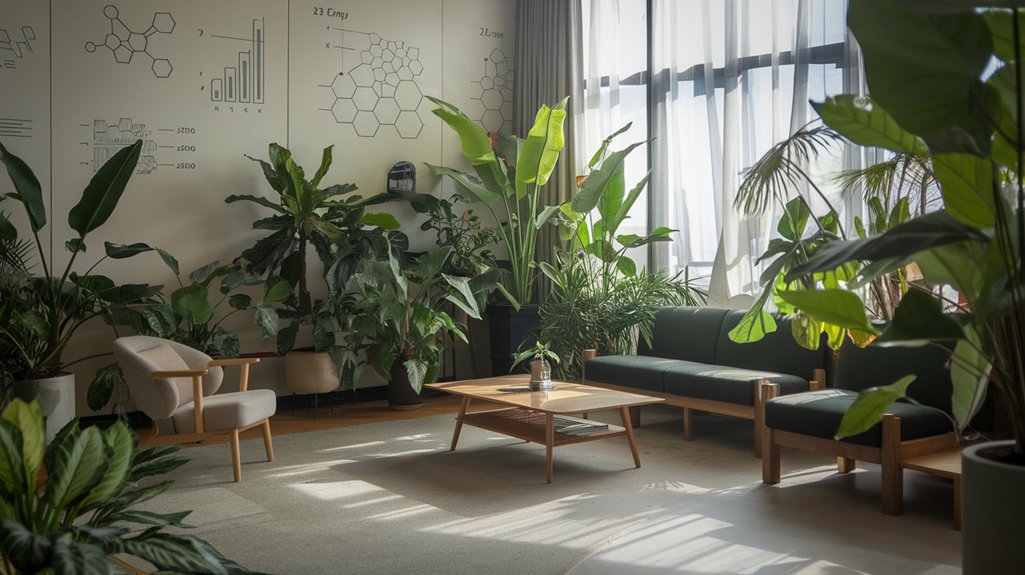
You might think houseplants detoxify indoor air, thanks to a 1989 NASA study. But in reality, plants aren’t as effective as natural ventilation for air purification. The study’s controlled environment doesn’t mirror typical indoor conditions; it would take 10 to 1,000 plants per square meter for any significant effect. Instead, focus on opening windows and using air filters. If you’re curious about real-world air quality improvement strategies, there’s more intriguing information to uncover.
Although many believe houseplants can greatly purify indoor air, this myth stems from a 1989 NASA study that demonstrated plants’ ability to absorb toxins in sealed environments.
However, these conditions don’t reflect real-world scenarios, where indoor air pollutants are more effectively managed by natural ventilation. The NASA study focused on small, airtight chambers, which aren’t representative of typical environments with various volatile organic compounds (VOCs).
In 2019, a meta-analysis indicated that you’d need between 10 to 1,000 plants per square meter for significant VOC reduction, highlighting the impracticality of relying solely on houseplants.
Further, Drexel University reviewed these findings, emphasizing natural ventilation as a superior method for improving air quality. This underscores the limitations of using houseplants for air purification.
Understanding why the belief in houseplants as air purifiers persists requires a closer look at NASA’s 1989 study. This research concluded that certain plants could absorb VOCs, improving indoor air quality in sealed environments.
However, the study’s methodology involved small, airtight chambers, unlike typical indoor settings with constant VOC emissions and ventilation. It suggested that achieving significant air purification would need 10-100 plants per square meter, which isn’t practical for most homes.
Subsequent analyses, such as Drexel University’s 2022 review, found natural ventilation more effective than plants at reducing indoor VOCs.
Even NASA experts like Gioia Massa recognize the study’s limitations, highlighting the necessity for further research on plants’ role in enhancing air quality indoors.
When examining the real-world implications of laboratory studies like NASA’s 1989 research, it’s crucial to recognize the difference between controlled environments and actual living spaces. These studies often exaggerate the air-purifying abilities of indoor plants. In reality, you’d need an impractical number of plants to greatly reduce volatile organic compounds (VOCs). Most research focuses on small, airtight chambers with singular VOCs, which doesn’t reflect real-world complexities.
| Factor | Laboratory Studies | Real-World Spaces |
|---|---|---|
| Environment | Sealed, controlled | Open, variable |
| VOC Complexity | Singular | Multiple, complex |
| Effective Method | Indoor plants | Ventilation, mechanical |
| Air Exchange Rates | Low | High |
Natural ventilation and mechanical air cleaning outperform plants in improving air quality through effective air exchange rates.
Even as you sit comfortably in your home, the air around you might be teeming with volatile organic compounds (VOCs), hazardous chemicals that pose significant health risks.
These harmful chemicals originate from everyday items like paints and cleaning supplies. The Environmental Protection Agency (EPA) warns that VOCs can cause headaches, respiratory problems, and severe long-term health issues.
Indoor air quality often suffers as it can be up to five times more polluted than outdoor air. Natural ventilation, such as opening windows, effectively reduces VOC levels.
While houseplants are often touted for air purification, you’d need between 10 to 1,000 plants per square meter to achieve real results. This highlights the impracticality of relying on plants for significant VOC reduction.
Although houseplants are often praised for their air-purifying abilities, evidence suggests their effectiveness is markedly limited in typical indoor settings.
Research shows you’d need 10 to 1,000 plants per square meter to substantially reduce indoor air pollutants, which is unrealistic for most homes. While plants can clean air by removing volatile organic compounds (VOCs), air exchange rates in buildings dilute these VOCs more effectively than houseplants do.
Most studies on plant air purification occur in controlled settings that don’t match real-world conditions, where multiple VOCs exist. Findings from NASA were overstated; Drexel University reviews confirm houseplants reduce indoor VOCs at a much slower rate than mechanical air handling systems, which function more like air purifiers.
Houseplants’ limited effectiveness in purifying indoor air doesn’t negate their potential drawbacks. Overwatering can lead to mold growth, triggering allergies and asthma in sensitive individuals.
Mold isn’t the only issue; dust accumulation on leaves contributes to indoor air pollution, worsening respiratory problems. While indoor plants might seem like a natural way to enhance air quality, they can introduce allergens. Certain species release pollen or fragrances that provoke allergic reactions.
Newly purchased plants might harbor pests, further impacting air quality and overall indoor health. For allergy sufferers, plants with large leaves and no flowers generally pose fewer risks.
Therefore, while indoor plants offer aesthetic benefits, their potential health impacts require careful consideration to maintain a healthy living environment.
To effectively enhance indoor air quality, focusing on strategies beyond houseplants is essential. While air-purifying plants contribute, other methods can dramatically improve air quality.
Source control is important; eliminate high VOC products to reduce indoor pollutants. Ventilation plays a key role; open windows and doors for 10-15 minutes daily to improve air circulation.
Embrace mechanical air cleaning by using HEPA filters to remove 99.97% of airborne particulates. Regular maintenance of your HVAC system is essential; change furnace filters every 2-3 months and consider upgrading to MERV 13 filters for capturing finer particles.
These strategies, combined with portable HEPA air cleaners, provide effective alternatives for improving indoor air.
When exploring popular houseplants for their air-purifying capabilities, consider their unique characteristics and care requirements.
Snake plants are excellent for filtering formaldehyde and benzene from indoor air. They thrive with low light and minimal watering.
Peace lilies effectively purify the air by reducing airborne mold spores and boosting humidity but are toxic to pets.
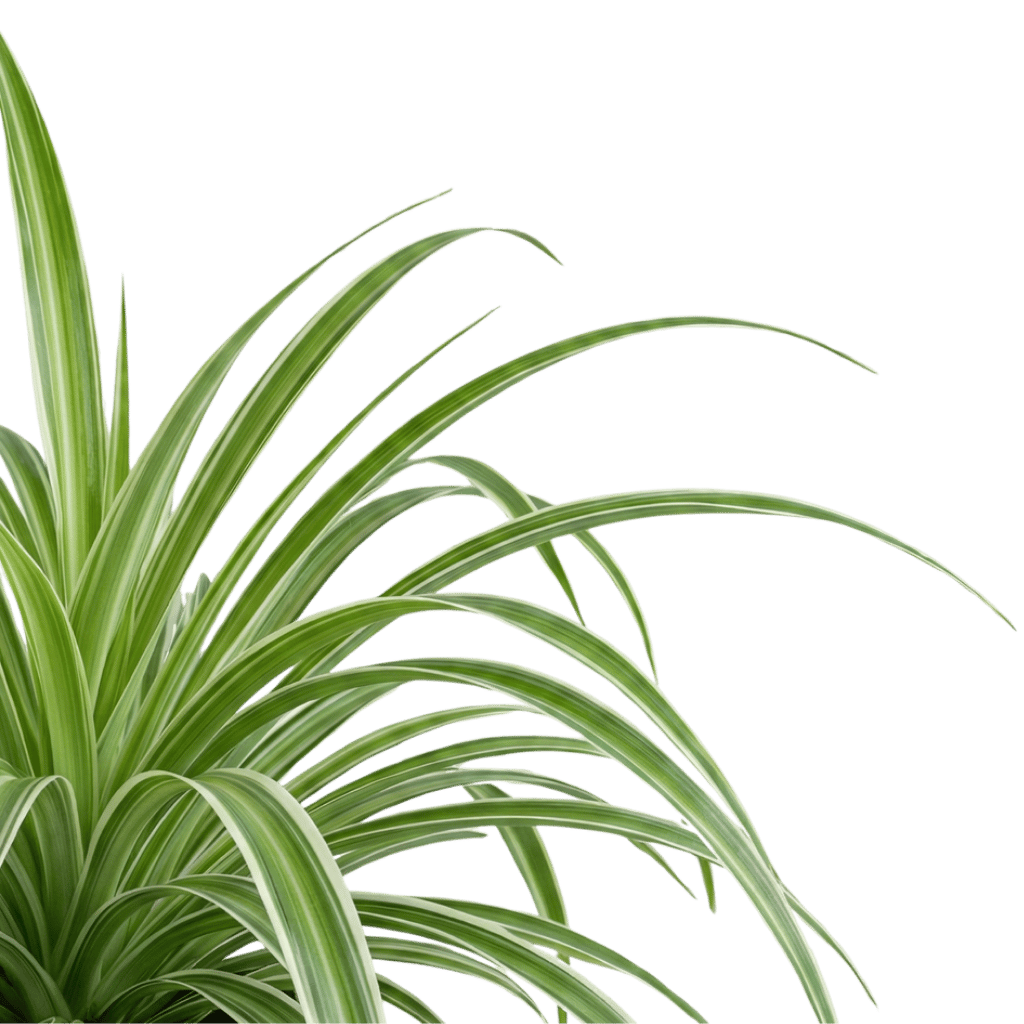
Spider plants, known for removing carbon monoxide and formaldehyde, are safe for pets and require minimal care.
Boston ferns excel at increasing humidity and filtering pollutants but need consistent moisture and indirect light.
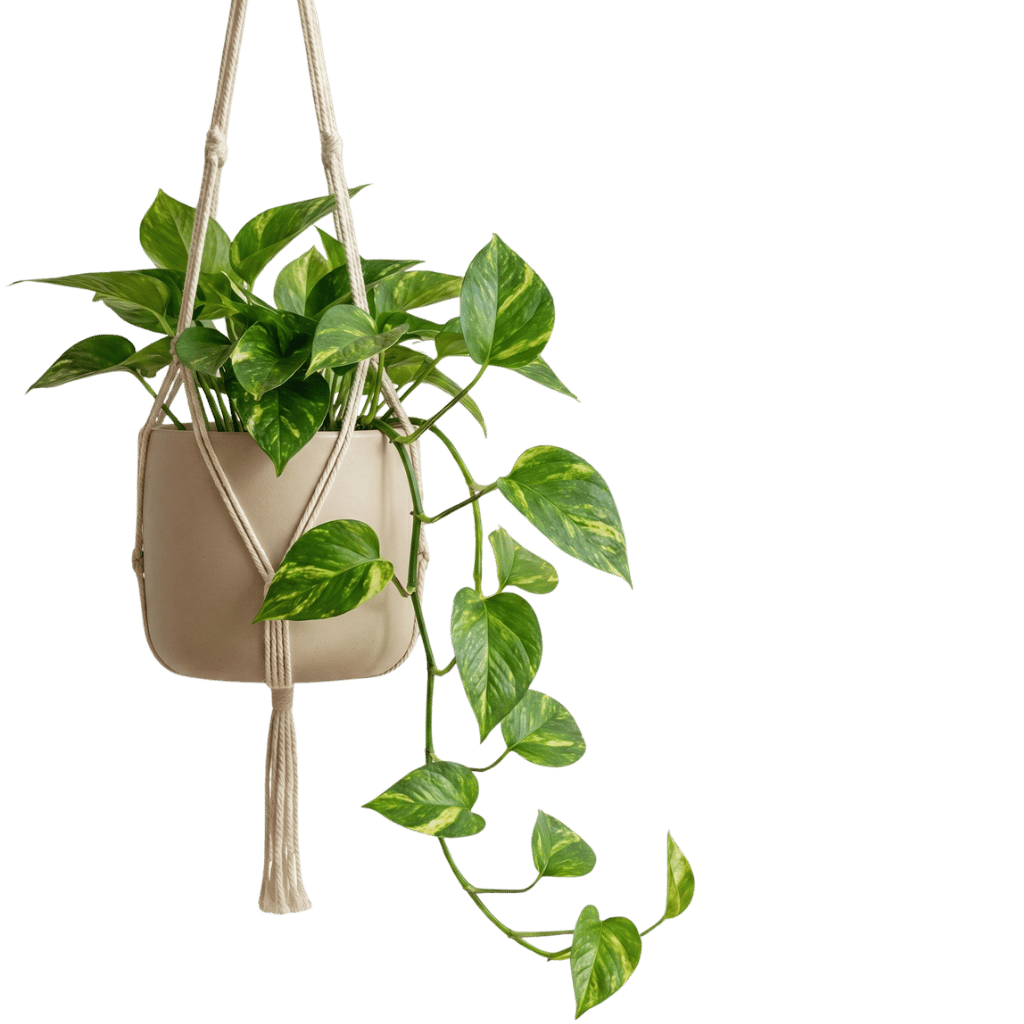
Finally, golden pothos removes air pollutants efficiently but is toxic to pets, so place it out of their reach.
These houseplants can greatly enhance indoor air quality by targeting specific toxins.
Beyond their air-purifying prowess, houseplants offer a wealth of additional benefits that enrich indoor environments. You’ll find that indoor plants enhance not just the aesthetic appeal but also your overall mood and well-being.
Research shows they can reduce blood pressure and improve cognitive function. Additionally, their ability to release water vapor through transpiration increases humidity, providing comfort in dry spaces.
Consider these benefits:
Integrating indoor plants into your space is a smart investment in health and self-care.
Although much progress has been made in understanding indoor air quality, future research should pivot towards examining real-world conditions rather than relying on controlled laboratory environments.
You should explore how natural ventilation and plant presence together impact air purification more effectively. It’s essential to use metrics like Clean Air Delivery Rate (CADR) to assess how plants perform alongside traditional filtration systems.
Evaluating the interaction between various indoor pollutants and plant types will enhance our understanding of their air quality improvement roles.
By collaborating with environmental engineers and botanists, you can develop innovative solutions that merge plant care with advanced indoor air management strategies.
This approach could lead to more practical applications in diverse indoor environments, ensuring healthier living spaces.
You’ve explored the myth of air-purifying plants, rooted in NASA’s 1989 study, and analyzed its limitations in real-world settings. While plants do absorb VOCs, their impact on indoor air quality is minimal. Instead, prioritize alternatives like ventilation systems and air purifiers. Houseplants offer benefits beyond air quality, such as aesthetic appeal and stress reduction. Future research should focus on effective, scalable solutions to improve indoor air, integrating houseplant benefits holistically.