

Super Fresh
Harvested and shipped within days when you order.
Fair Prices
We eliminate extra steps so you get better value.
Rated for Real Life
Clearly labeled so you can choose the right plant fast.
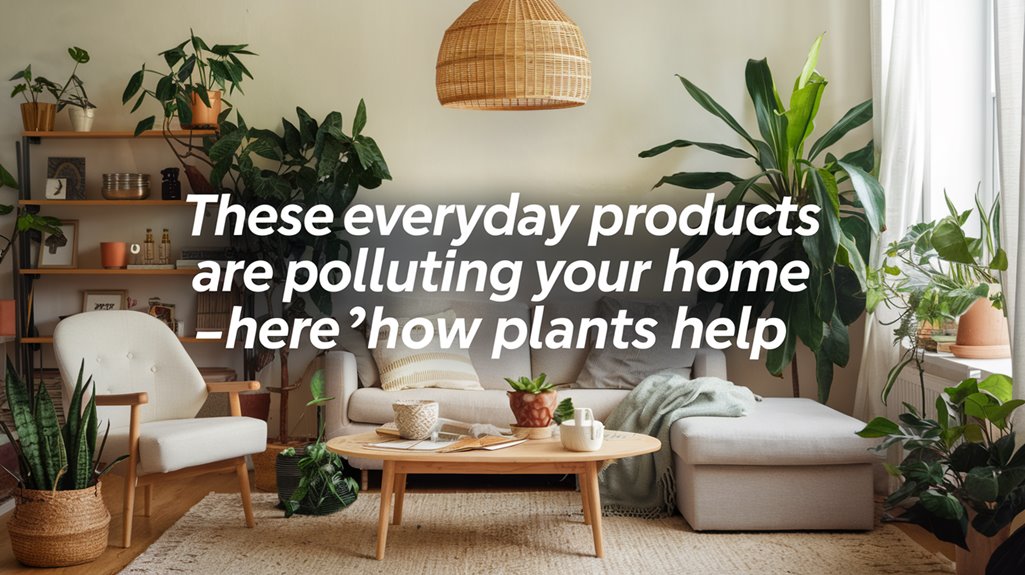
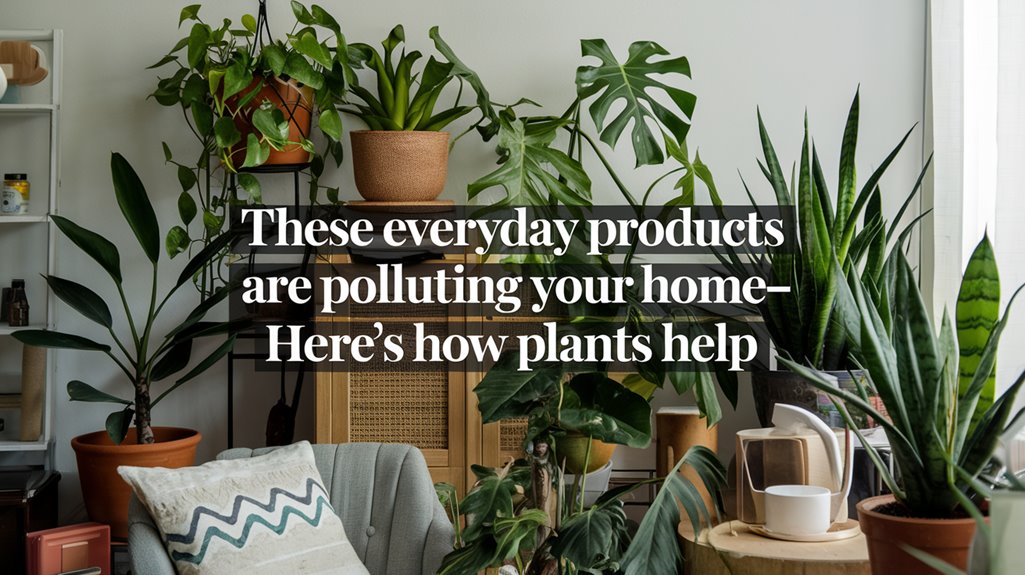
Everyday items like cleaning products, paints, and furniture release volatile organic compounds (VOCs) like benzene and formaldehyde, considerably polluting indoor air. VOC exposure can cause dizziness, respiratory issues, and even cancer, as highlighted by the EPA. Houseplants effectively counteract this pollution; NASA’s study shows they can remove up to 87% of VOCs within 24 hours. By incorporating the right plants, you can improve air quality and enhance your well-being. Discover how to make the most of these natural purifiers.
When you’re trying to improve your home’s air quality, understanding Volatile Organic Compounds (VOCs) is essential. VOCs, found in many household items like cleaning supplies, greatly contribute to indoor air pollution.
These compounds, including formaldehyde and benzene, can cause serious health issues like respiratory problems and even cancer. The Environmental Protection Agency ranks poor indoor air quality from VOCs as a major pollution threat, underscoring the need to purify the air you breathe.
New carpets and particle board release VOCs through off-gassing, which can persist for years. To combat this, consider using houseplants, as NASA’s Clean Air Study indicates they can remove up to 87% of VOCs from indoor air within 24 hours, effectively improving air quality.
While you’re working to create a healthier home environment, it’s crucial to recognize that many common household products release toxins that can greatly influence indoor air quality.
Cleaning products, paints, and personal care items often emit volatile organic compounds (VOCs) like benzene and formaldehyde. Benzene, found in adhesives and some cleaning products, is a carcinogen linked to dizziness and skin irritations.
Formaldehyde, commonly released from particle board and carpets, irritates the eyes and throat. Additionally, trichloroethylene (TCE) in inks and adhesives is a potent liver carcinogen.
These pollutants considerably degrade indoor air quality, especially in energy-efficient buildings. By understanding these sources, you can make informed choices and employ air-purifying plants to improve your home’s air quality.
Recognizing the sources of indoor pollutants is just the beginning; understanding their health implications is equally important. Indoor air pollution is a significant health threat, ranking fourth according to the EPA. Common indoor air pollutants like formaldehyde, benzene, and trichloroethylene can cause dizziness, respiratory issues, and allergies. Over time, these can lead to severe health consequences, including cancer. Vulnerable populations, such as those with compromised immune systems, are at higher risk.
| Pollutant | Health Impact |
|---|---|
| Formaldehyde | Respiratory issues, cancer risk |
| Benzene | Dizziness, long-term cancer risk |
| Trichloroethylene | Allergies, liver and lung conditions |
Improving indoor air quality through effective air purification solutions is essential. Studies show enhancing air quality can reduce health issues and boost productivity, underscoring the need for action.
Although often overlooked, houseplants offer a scientifically proven method to purify indoor air. NASA’s Clean Air Study showed that particular plants can remove up to 87% of volatile organic compounds (VOCs) from your indoor environment in just 24 hours.
Plants like Peace Lily and English Ivy absorb pollutants such as formaldehyde, benzene, and trichloroethylene through their leaves and roots, greatly improving air quality. This process, known as phytoremediation, enables plants to metabolize or store toxins, thereby enhancing the quality of your indoor air.
Maintaining at least one healthy plant per 100 square feet can effectively reduce harmful pollutants. Incorporating these natural air purifiers into your home contributes not only to cleaner air but also to overall well-being.
Houseplants don’t just add aesthetic appeal; they play an essential role in enhancing air quality. Certain plants like the peace lily and golden pothos are particularly effective at removing formaldehyde, a common indoor pollutant.
According to NASA’s Clean Air Study, these plants can eliminate up to 87% of volatile organic compounds (VOCs) within 24 hours, greatly boosting indoor air quality. The peace lily also tackles benzene, while golden pothos excels at filtering trichloroethylene and xylene.
To maximize benefits, aim for 15 to 18 plants in an 1,800-square-foot space. Healthy, well-maintained plants are vital; they outperform neglected ones in purifying air. Investing in these plants can transform your home into a cleaner, healthier environment.
Many are unaware that the strategic placement of air-purifying plants can markedly enhance their effectiveness. Positioning indoor plants like the Peace Lily near cleaning supplies or electronics targets indoor pollutants, reducing harmful VOCs.
NASA suggests placing one healthy houseplant per 100 square feet, boosting air purification substantially. Rooms with poor ventilation, such as basements or bathrooms, benefit from indoor plants, improving air circulation and reducing stagnant odors.
Larger plants like the Weeping Fig in high-traffic areas maximize pollutant absorption and oxygen production. Grouping plants creates a microenvironment, enhancing humidity and air-purifying capabilities, especially in dry spaces.
A significant aspect of maintaining air-purifying houseplants is guaranteeing they remain healthy and capable of performing their filtration duties efficiently.
Regular cleaning of your plant leaves with a damp cloth prevents dust buildup, guaranteeing ideal light absorption essential for their air-purifying function.
Aim to incorporate at least one air-purifying plant per 100 square feet of living space, as NASA suggests, to effectively enhance indoor air quality.
Monitoring humidity levels is fundamental since some plants can increase moisture, mitigating respiratory issues linked to dry environments.
Guarantee proper growth by providing adequate light, water, and nutrients, as thriving plants efficiently filter indoor air pollutants.
While maintaining houseplants plays an essential role in enhancing indoor air quality, exploring other natural solutions to combat indoor pollution can further optimize your living environment.
Indoor pollutants like formaldehyde, benzene, and trichloroethylene are pervasive, found in everyday items. Air-purifying plants such as the Peace Lily and English Ivy are effective in removing these volatile organic compounds (VOCs).
With NASA’s research backing, plants like the spider plant and golden pothos excel in absorbing toxins, thereby greatly improving indoor air quality.
Strategically positioning 15 to 18 plants in an 1,800-square-foot home can reduce carbon-based pollutants and health risks. Incorporating these plants not only purifies the air but enhances your space’s aesthetic appeal and overall well-being.
To further enhance indoor air quality, consider combining natural plant solutions with additional strategies for a thorough approach. While plants indoors like peace lilies work hard to clean the air of pollutants, integrating complementary measures can maximize results.
You’ve learned how VOCs from everyday products can pollute your home and harm your health. By strategically placing houseplants like spider plants and peace lilies, you can greatly improve indoor air quality. These plants act as natural air purifiers, absorbing toxins and releasing oxygen. To maximize their benefits, guarantee proper care and placement. Complement plant use with other natural solutions to combat indoor pollution effectively and create a healthier living environment.