

Super Fresh
Harvested and shipped within days when you order.
Fair Prices
We eliminate extra steps so you get better value.
Rated for Real Life
Clearly labeled so you can choose the right plant fast.

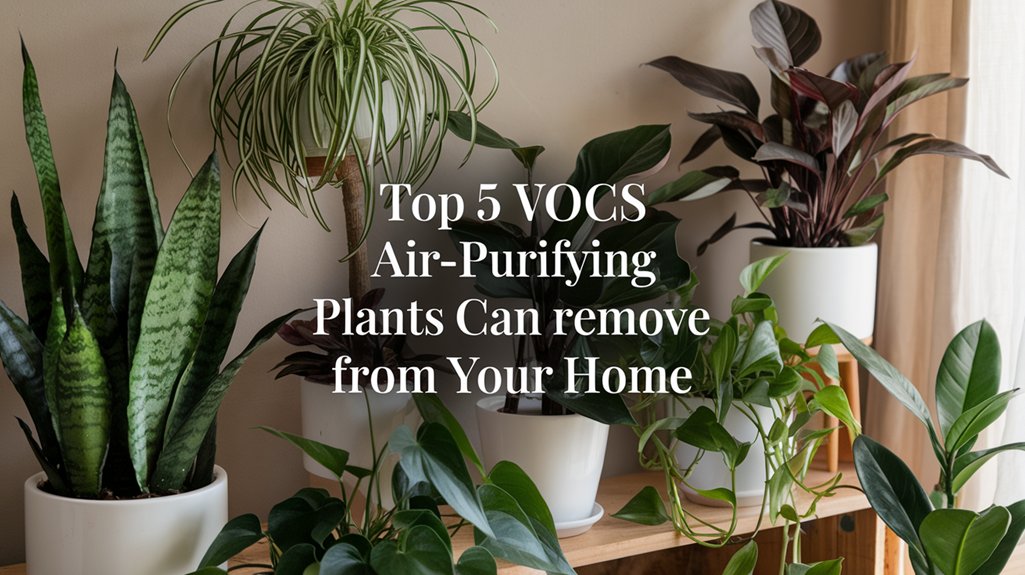
Air-purifying plants are essential for removing VOCs such as formaldehyde, benzene, trichloroethylene, xylene, and toluene from your home. The Peace Lily excels in filtering formaldehyde and benzene, while Snake Plants absorb formaldehyde, benzene, and toluene. English Ivy is effective against trichloroethylene, and Boston Ferns thrive in absorbing xylene. By strategically incorporating these plants, you can efficiently reduce VOCs, enhancing indoor air quality. Discover how each plant targets specific VOCs for a healthier home.
When enhancing indoor air quality, understanding the significance of formaldehyde removal is essential due to its prevalence in building materials and household products. Formaldehyde is a pervasive indoor air pollutant, making its mitigation vital.
The Peace Lily excels at removing VOCs, including formaldehyde, thriving in low-medium light environments to improve air quality.
The Snake Plant, another low-maintenance plant, is adept at absorbing formaldehyde, tolerating low light while enhancing indoor environments.
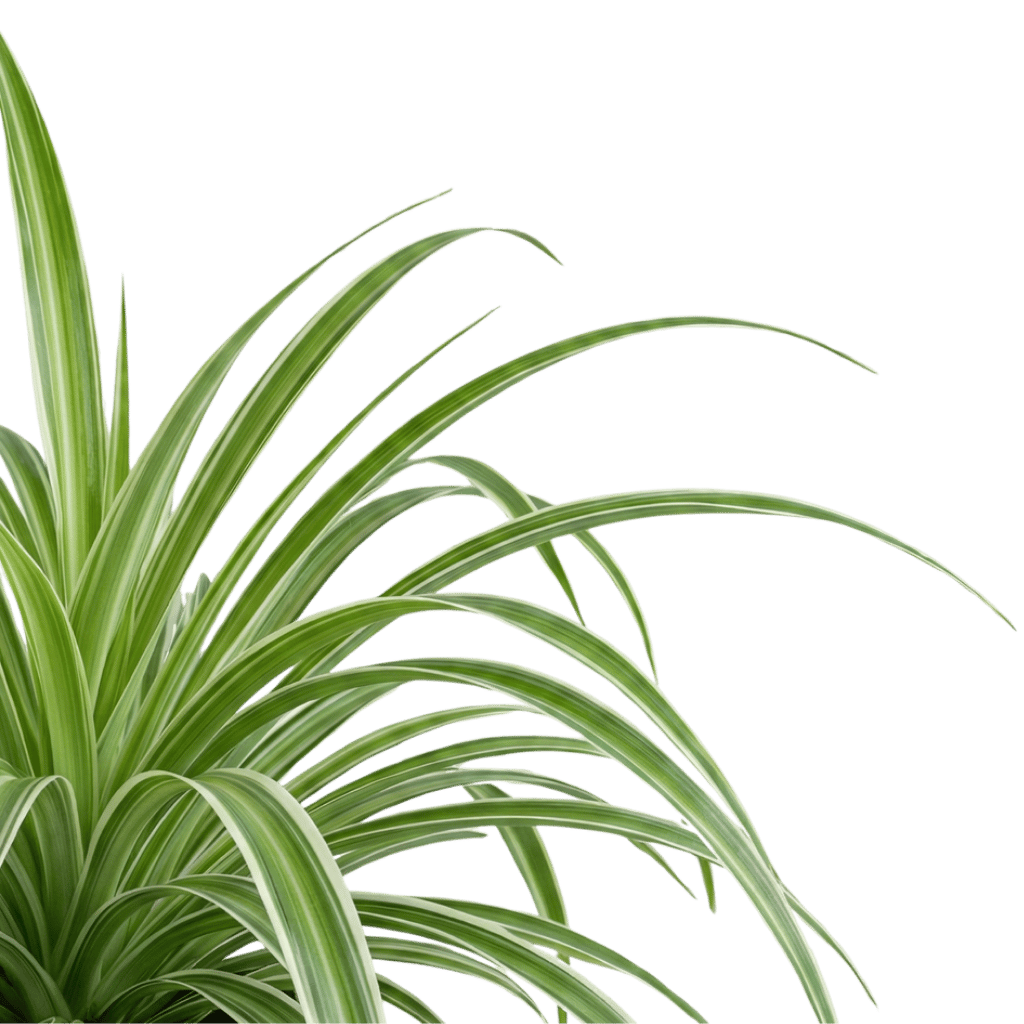
The Spider Plant is particularly effective, removing up to 95% of formaldehyde within 24 hours, as demonstrated in NASA studies.
Finally, the Marble Queen Pothos is renowned for eliminating formaldehyde due to its robust nature, making it a reliable choice for improving indoor air quality and removing common VOCs.
Although often overlooked, benzene is a significant indoor pollutant found in everyday products such as paints, solvents, and tobacco smoke, posing potential health risks like dizziness and severe long-term effects, including leukemia.
Indoor plants offer a natural solution for air purification, effectively removing benzene from your environment. The Peace Lily, with its broad leaves, excels at absorbing benzene, while the Rubber Tree utilizes its expansive foliage for efficient toxin uptake.
The Snake Plant, known for its robust growth, and the Golden Pothos, adaptable to various light conditions, also contribute to air purification by reducing benzene levels.
NASA’s Clean Air Study confirms these plants’ efficacy, emphasizing their role in mitigating health effects associated with benzene exposure, while enhancing your living space with aesthetic and psychological benefits.
Beyond benzene, another significant indoor pollutant is trichloroethylene (TCE), a volatile organic compound prevalent in many household products such as paint thinners and adhesives. You can combat TCE through strategic selection of air purifying plants, which not only filter toxins but also remove formaldehyde and improve indoor air. The Peace Lily (Spathiphyllum), English Ivy (Hedera helix), and Gerbera Daisy (Gerbera jamesonii) are particularly adept at reducing VOCs, including trichloroethylene.
| Plant | Key Benefit |
|---|---|
| Peace Lily | Removes TCE, formaldehyde, and benzene |
| English Ivy | Absorbs trichloroethylene effectively |
| Gerbera Daisy | Filters TCE, enhances indoor aesthetics |
Incorporating these plants into your living space mitigates indoor air pollution, ensuring a healthier environment by filtering harmful compounds from the air.
If you’re concerned about indoor air quality, focusing on xylene-eliminating plants is a strategic move. Xylene, a volatile organic compound found in paints and adhesives, can lead to adverse health effects such as headaches.
Integrating specific air purifiers like the Peace Lily (Spathiphyllum) into your indoor environment can effectively remove xylene, enhancing air quality while adding aesthetic appeal.
The Boston Fern (Nephrolepis exaltata) excels in humid conditions, absorbing xylene efficiently.
Consider the Rubber Plant (Ficus elastica) for its ability to thrive in diverse lighting, filtering xylene effectively.
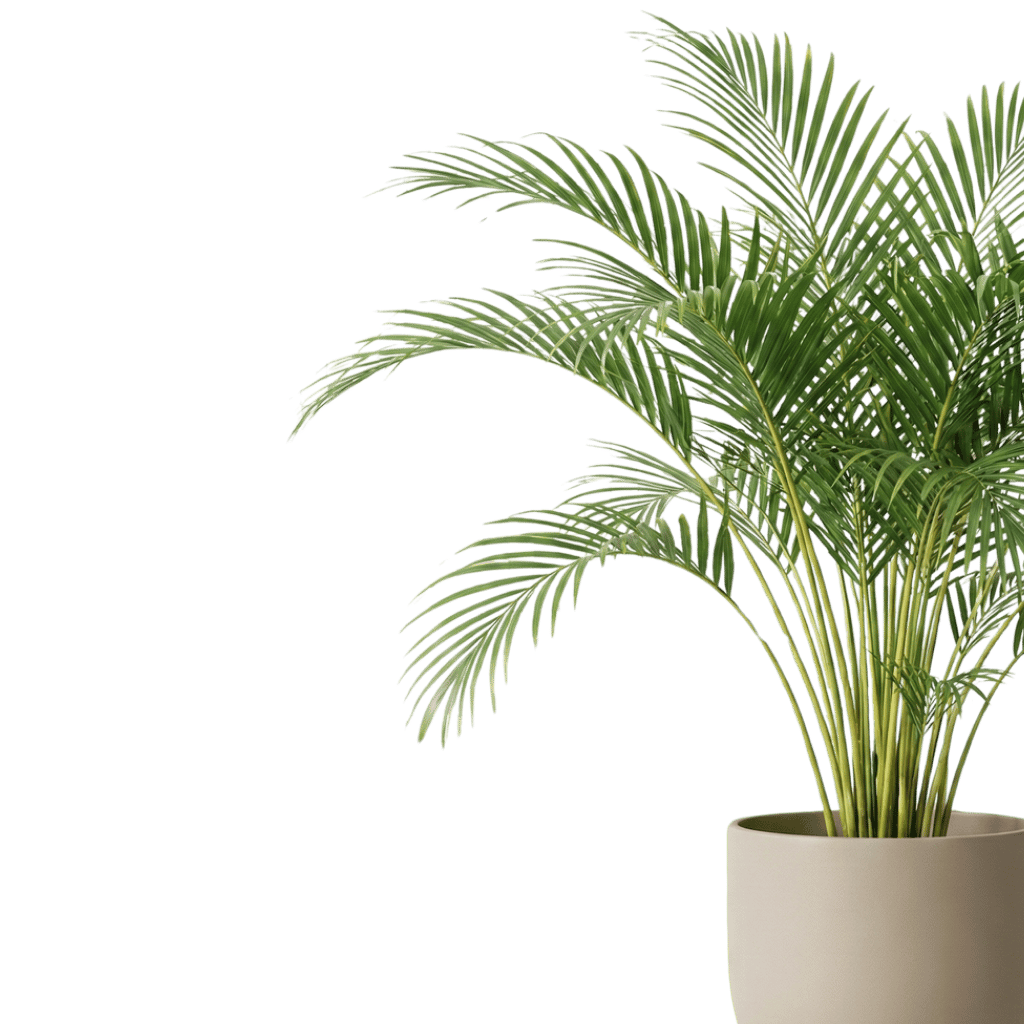
Combining multiple species like the Snake Plant (Sansevieria) and Areca Palm (Dypsis lutescens) can amplify xylene removal, ensuring a healthier, more breathable indoor atmosphere.
While xylene is a considerable concern, addressing toluene presence indoors is equally essential for maintaining ideal air quality. Toluene, a prevalent VOC found in paint thinners and adhesives, can cause adverse health effects like headaches and dizziness. Certain plants, renowned for their phytoremediation capabilities, effectively remove toluene from indoor air. The Spider Plant and Peace Lily are exemplary in filtering this compound, enhancing your indoor environment. Furthermore, the Marble Queen Pothos and Snake Plant demonstrate remarkable efficiency in toluene absorption, facilitating improved air quality. Incorporating these plants into your space can notably reduce VOC levels, especially in areas with high toluene concentrations.
Here’s a quick reference table:
| Plant Name | Toluene Removal Efficiency |
|---|---|
| Spider Plant | High |
| Peace Lily | High |
| Marble Queen Pothos | Moderate |
By incorporating specific plants into your home, you can effectively reduce various volatile organic compounds (VOCs). Formaldehyde is absorbed by species like the Boston Fern, while the Peace Lily tackles benzene. Spider Plants combat trichloroethylene, and English Ivy eliminates xylene. Finally, toluene can be purified by the Bamboo Palm. These plants use photosynthesis to metabolize VOCs, enhancing air quality and promoting a healthier indoor environment. Ultimately, they’re a natural, sustainable solution for reducing indoor air pollutants.