

Super Fresh
Harvested and shipped within days when you order.
Fair Prices
We eliminate extra steps so you get better value.
Rated for Real Life
Clearly labeled so you can choose the right plant fast.
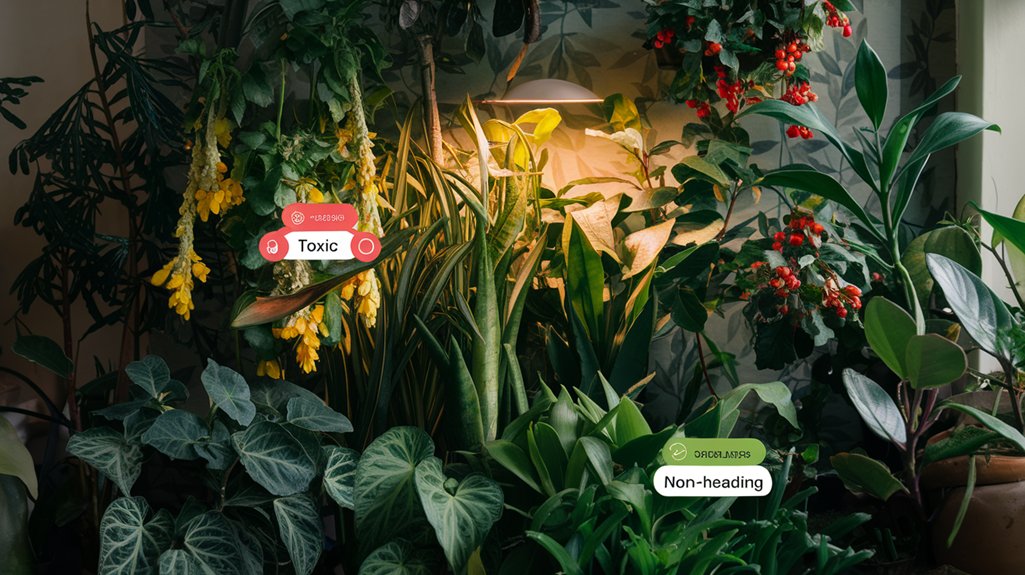
Understanding the difference between toxic and non-toxic plants is essential for any plant parent. Toxic plants contain alkaloids, glycosides, or oxalates that can cause anything from minor irritation to severe poisoning in both humans and pets. Reactions may vary based on individual sensitivity, with symptoms like vomiting, diarrhea, or lethargy indicating poisoning. For safety, verify plant species, keep harmful plants out of reach, and use trusted resources like the ASPCA for guidance. Gain insight into plant safety strategies ahead.
Delving into plant toxicity, you’ll find that the variations in harmful effects are substantial, ranging from minor digestive issues to fatal consequences if consumed.
Plants harbor toxic compounds—alkaloids, glycosides, and oxalates among others—that act as a defense mechanism. These compounds can poison both humans and animals, with reactions varying due to individual sensitivity.
While all parts of some plants are toxic, others may only have specific dangerous components, necessitating precise identification to avoid inadvertent exposure. Even non-toxic plants can induce mild discomfort, highlighting the significance of awareness.
Immediate action, such as contacting poison control, is crucial if ingestion occurs. Understanding plant toxicity involves recognizing these risks, and so equipping you to make informed decisions about plant safety in your environment.
When considering the safety of your indoor environment, understanding the potential hazards posed by common toxic houseplants is vital.
These plants, while aesthetically pleasing, can harbor significant risks. For instance, the Amaryllis (Hippeastrum spp.) can induce severe gastrointestinal distress. Similarly, Azaleas (Rhododendron spp.) are notorious for provoking acute symptoms like vomiting and lethargy in pets.
For plant enthusiasts, awareness of these hazards is essential.
Always consult Poison Control if ingestion occurs, ensuring rapid response and mitigation of toxicity risks.
While some houseplants pose significant health risks, there are numerous options that guarantee a safe indoor environment.
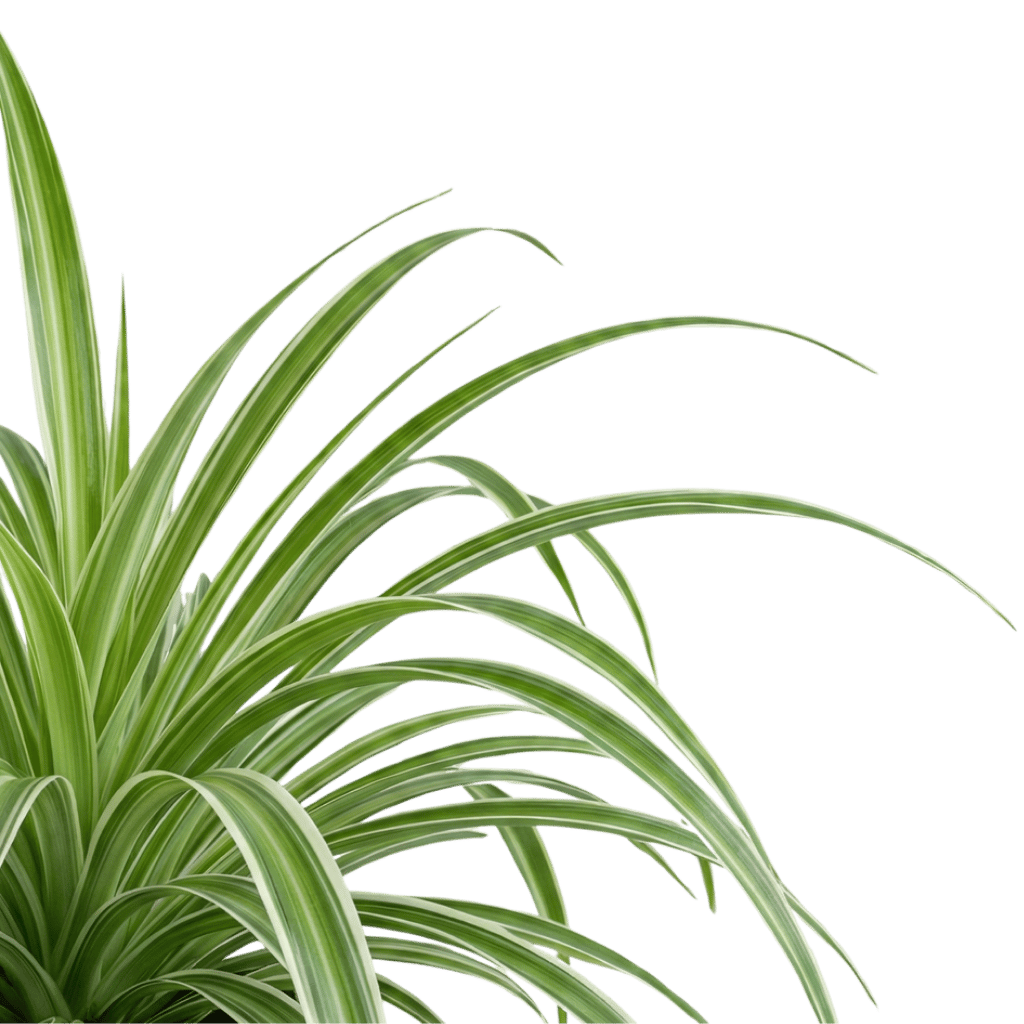
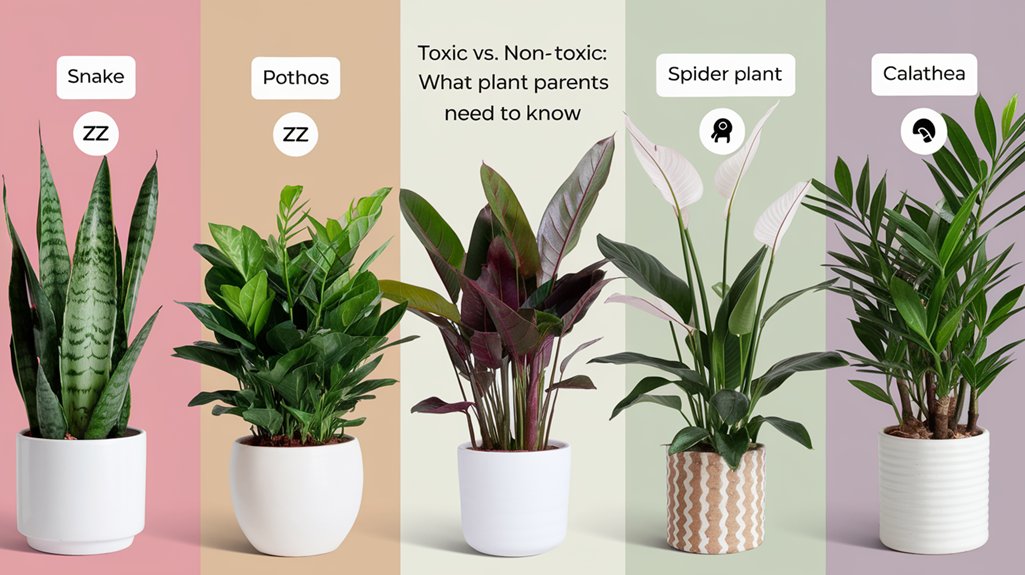
Consider integrating non-toxic plants like the Spider Plant, a resilient, easy-to-care-for species that produces small white flowers. It’s safe for both kids and pets, making it a staple among common houseplants.
Similarly, Boston Ferns thrive in cool, humid settings and are non-toxic, perfect for households with children and pets.
African Violets, thriving in small pots, require watering from below to protect their leaves and pose no toxicity risk.
Peperomias, known for their diverse shapes and colors, and Prayer Plants, with their distinctive nocturnal leaf movements, both flourish in low light and high humidity, ensuring safety for all inhabitants.
How can you tell if your pet has ingested a toxic plant? Recognizing signs of plant poisoning is essential, especially with common indoor plants that can cause harm.
Symptoms like vomiting, diarrhea, and excessive drooling may indicate gastrointestinal distress. In some cases, plants can cause systemic effects, impacting multiple organ systems and escalating health risks.
Observe your pet closely for any unusual behavior or physical symptoms after suspected ingestion. Key indicators include:
Contact a veterinarian or the ASPCA Animal Poison Control Center immediately if any signs are present to guarantee timely intervention.
Understanding the signs of plant poisoning is only one aspect of ensuring a safe environment for pets and children. In your indoor garden, prioritize verifying plant species to prevent inadvertent exposure to toxic varieties.
Many common plants can pose risks, so it’s essential to keep them out of reach of young children and pets. Ingestion may lead to gastrointestinal disturbances or more severe health complications.
Educate young children about the potential dangers and encourage them to seek adult guidance when uncertain about plant safety. Monitor pets’ interactions with new additions to your indoor garden, as their exploratory behavior might lead to accidental ingestion.
Utilize resources like the ASPCA’s plant toxicity information to maintain a secure and non-toxic environment.
Why is accurate plant identification so crucial when evaluating toxicity? Each plant species can exhibit diverse morphological features, making proper identification essential for determining potential toxicological risks.
For your indoor and house plants, leveraging reliable resources can prevent harmful exposure.
Monitoring your pets’ behavior around new plants and consulting these resources can safeguard your household from toxicological hazards.
In your journey as a plant parent, understanding plant toxicity is essential. You’ve explored common toxic houseplants and found popular non-toxic options. Recognize signs of plant poisoning early to guarantee safety for pets and children. Always prioritize accurate plant identification using reliable resources. By staying informed and proactive, you create a safe environment for all. Embrace this knowledge, and let it guide your choices, ensuring both you and your leafy companions thrive harmoniously.