
Super Fresh
Harvested and shipped within days when you order.
Fair Prices
We eliminate extra steps so you get better value.
Rated for Real Life
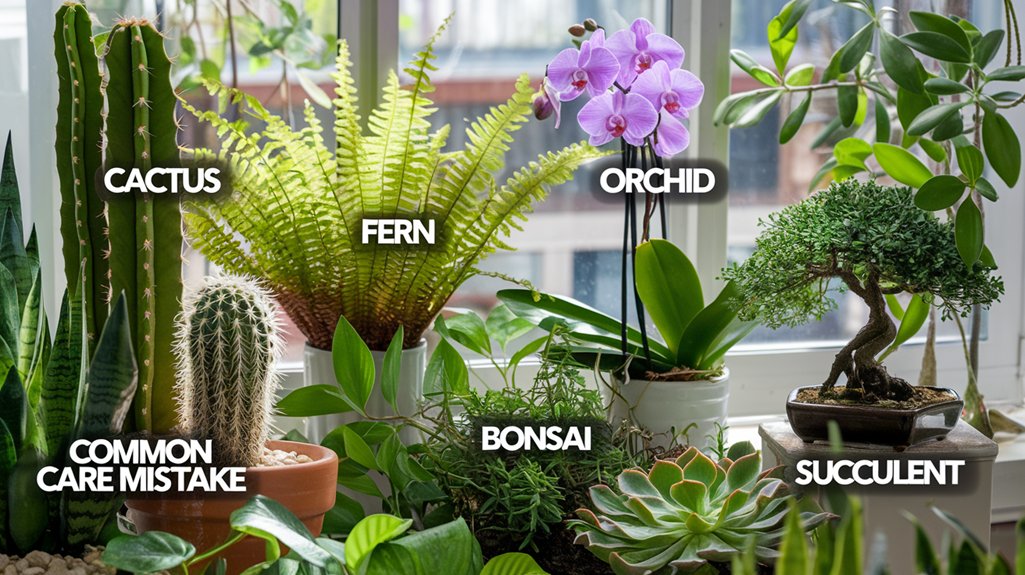
Clearly labeled so you can choose the right plant fast.

Expect to assess light and air, aiming for bright, indirect light and proper circulation. Monitor soil moisture with a meter, ensuring drainage to avoid overwatering. Check for pests, quarantining new additions. Understand growth patterns; leaf drop is common during acclimation. Balance sunlight to prevent legginess, maintaining humidity at 40-60%. Fresh, aerated soil aids absorption. These steps optimize plant health, setting a foundation for further insights.
When bringing a new indoor plant into your home, it’s essential to evaluate the light and air conditions to guarantee optimal growth.
Indoor plants generally thrive in bright, indirect light. Assess your windows; south and west-facing ones provide maximum brightness. For low-light plants, north-facing windows are suitable. Consider supplementing with artificial light sources like grow lights, especially in winter.
Proper air circulation is vital; it prevents moisture buildup, deterring mold and pests, and supports healthy transpiration. Monitor your plant for signs of light stress, such as leggy growth or scorched leaves. Adjust their placement to meet specific lighting needs.
Ensuring these conditions are met will promote robust growth and reduce the risk of pest infestations.
After evaluating your plant’s light and air conditions, the next step is to monitor soil moisture levels, a critical factor in plant health.
Begin by checking the top 1-2 inches of soil; if it feels dry, it’s time to water. Utilize a moisture meter for precise readings, as it gauges moisture at various soil depths.
Overwatering is a primary cause of plant death; make certain the pot for your plant has drainage holes to prevent excess water accumulation. Water until excess moisture drains from the bottom, making sure roots are hydrated without waterlogging.
Adjust watering frequency based on seasonal changes; plants generally require more water during active growth periods and less during dormancy.
Proper attention to these details supports your plant’s longevity.
Although it may seem your plant is thriving, it’s crucial to vigilantly inspect for pests like mealybugs, spider mites, and aphids that often remain unnoticed. Inspect your new plant thoroughly; these common pests hide on foliage and soil surface. Quarantine your plant for 2 to 3 weeks to monitor for pest infestations. Utilize a magnifying glass for early detection. If pests appear, treat with neem oil spray or insecticidal soap and consider repotting in fresh soil. Regular inspection guarantees a healthy plant.
| Action | Details |
|---|---|
| Inspect | Use magnifying glass for foliage and soil surface |
| Quarantine | Separate for 2-3 weeks |
| Treatment | Apply neem oil spray |
| Repotting | Use fresh soil if pests persist |
Maintain vigilance for a thriving indoor environment.
Recognizing your plant’s growth patterns is essential for ensuring its health and vigor. Upon bringing a new plant home, expect a period of acclimatization, where temporary leaf drop may occur as it adjusts to new light and humidity conditions.
Pay attention to yellowing leaves, which could signal stress from improper watering. Overwatering or underwatering disrupts growth, so adjust water levels accordingly.
Specific plant species exhibit different growth patterns; for instance, succulents might enter dormancy during winter months, conserving energy.
Observe new growth closely; leggy growth indicates insufficient light, as the plant stretches towards it. Understanding these patterns helps you anticipate changes and maintain ideal conditions, ensuring your plant thrives in its new environment.
When it comes to guaranteeing proper watering and humidity for your indoor plants, understanding the specific needs of your plant species is essential.
Begin by checking the moisture level of the new soil; verify the top 1-2 inches are dry before adding water. Overwatering is a common issue, so use pots with drainage holes to prevent root rot.
Maintain humidity between 40-60% using humidity trays or misting, especially in dry winter months. Aerate the soil occasionally to enhance water absorption and oxygen flow.
How can you determine if your new indoor plant requires repotting? Start with a thorough inspection of the roots and soil. Look for roots protruding from the drainage holes, indicating that the pot is too small. Compacted soil can suffocate roots by restricting air flow, and it may signal a need for repotting a plant. Ascertain the potting soil remains well-draining to prevent water logging. A pot that’s at least 2 inches larger in diameter will accommodate new root growth.
| Indicator | Observation | Action Needed |
|---|---|---|
| Root Growth | Roots emerging from drainage holes | Repot in a larger pot |
| Soil Condition | Compacted soil, poor drainage | Use fresh, well-draining soil |
| Plant Stability | Top-heavy, leaning plant | Provide better support |
| Acclimation Period | New plant, just brought home | Wait a few weeks |
Regular checks promote ideal plant health.
In your first week with a new indoor plant, you’ll actively assess light and air conditions, guaranteeing they meet your plant’s needs. You’ll monitor soil moisture levels closely, using scientific methods like the finger test or a moisture meter. Identify and address any pest issues promptly, using appropriate treatments. Understand your plant’s growth patterns and adjust care accordingly. Guarantee proper watering and humidity levels, and evaluate if repotting is necessary. This scientific approach guarantees a thriving plant.